Early Life and Education
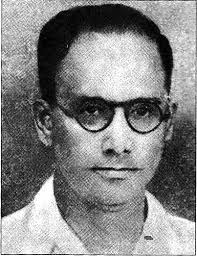
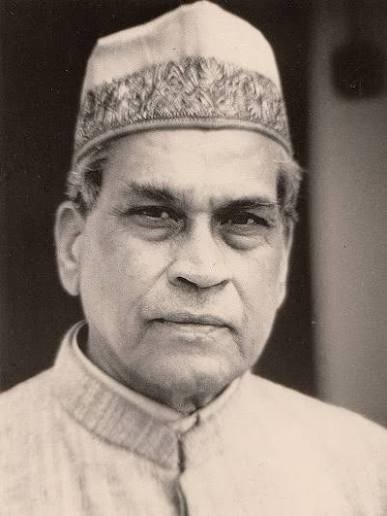
V. A. Sundaram was born on 2 February 1896 in Coimbatore, Madras Presidency (present-day Tamil Nadu). He belonged to an orthodox Tamil Brahmin family with a rich scholarly tradition. His father, Annaswamy Iyer, was a respected advocate from the village of Vellalore.
From a young age, Sundaram showed a deep interest in literature, poetry, and languages, particularly English. After completing his schooling, he enrolled at Pachaiyappa’s College, Madras, to study English literature. However, the growing nationalist movement soon transformed his life. Inspired by the ideals of India’s struggle for independence, he abandoned his formal studies to dedicate himself to the nation.
Education & Skills
Although Sundaram did not complete a university degree, he developed remarkable abilities through self-learning and practical experience.
His notable skills included:
- Exceptional public speaking abilities.
- Strong command over the English language.
- Effective communication and public relations expertise.
- Talent in writing articles and essays on national issues.
- Organizational and leadership skills in managing social and educational initiatives.
- Deep understanding of Gandhian philosophy, village development, and intercultural dialogue.
His eloquence and persuasive speeches made him one of the effective voices of the freedom movement.
Contribution to Tamil Literature
Unlike celebrated Tamil literary figures such as Bharathiyar, V. A. Sundaram’s contributions to Tamil literature were relatively limited. His writings were predominantly in English, focusing on nationalism, education, and social harmony.
However, he actively promoted the values upheld by Tamil intellectual traditions, including:
- National consciousness,
- Ethical living,
- Religious harmony,
- Cultural appreciation.
He also edited and published educational works related to Banaras Hindu University and wrote books honouring leaders such as Rabindranath Tagore and Madan Mohan Malaviya.
Role in India’s Freedom Movement
V. A. Sundaram played a significant role in India’s struggle for independence as a dedicated follower of Mahatma Gandhi.
Association with Gandhi
In 1915, after hearing Gandhi speak in Madras, Sundaram decided to join the national movement. Gandhi welcomed him into the Sabarmati Ashram, making him one of its early residents.
Gandhian Activities
Sundaram worked extensively in South India to spread Gandhian principles such as:
- Promotion of khadi and hand-spinning,
- Village upliftment programmes,
- Social reform initiatives,
- National awakening through public meetings.
Participation in Major Movements
He actively participated in several freedom struggles, including:
- The Vaikom Satyagraha (1924–1925),
- The Salt Satyagraha (1930),
- The Civil Disobedience Movement (1930–1931).
His activities led to his arrest by British authorities in 1931. Gandhi publicly protested against his detention.
Gandhi’s Ambassador to Europe
One of Sundaram’s most remarkable contributions was his journey to Europe in 1931, where Gandhi entrusted him with presenting the message of India’s freedom struggle to international audiences.
During this mission, Sundaram met prominent global figures, including:
- Albert Einstein,
- Benito Mussolini,
- Pope Pius XI.
Through speeches and discussions, he helped build international awareness of Gandhi’s philosophy of non-violence.
Personal Life
V. A. Sundaram married Savitri, and the couple had several children. Despite his active political life, he remained devoted to his family and valued education highly.
He believed strongly in religious harmony and maintained friendships with individuals from different faiths. His home often hosted scholars, social reformers, and spiritual leaders.
After years of service at Banaras Hindu University, where he worked as a secretary and fundraiser, he retired in the mid-1950s and settled in Bombay with his family.
Death
V. A. Sundaram passed away on 11 March 1967 in Bombay (now Mumbai).
His death marked the end of a life devoted to national service, education, and Gandhian ideals. Although he did not seek fame, his contributions to India’s freedom movement and educational development remain significant.
Conclusion
V. A. Sundaram was a committed patriot who dedicated his life to the ideals of truth, non-violence, and national service. As an early associate of Mahatma Gandhi, he worked tirelessly to spread Gandhian principles in India and abroad. His role as a communicator, organizer, and ambassador of India’s freedom struggle demonstrates that the independence movement was shaped not only by its most famous leaders but also by devoted individuals working behind the scenes.
His life serves as an inspiring example of selfless service, intellectual curiosity, and unwavering commitment to the nation’s welfare.
About the Author