Early Life and Education
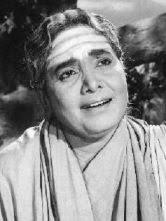
K. B. Sundarambal, popularly known as the “Nightingale of Tamil Nadu,” was born on 11 October 1908 in Kodumudi, in present-day Erode district. Her full name was Kodumudi Balambal Sundarambal.
She was born into a modest family, and financial hardships marked her early years. Unlike many artists of her era, Sundarambal did not receive extensive formal education. However, she possessed an extraordinary talent for music from childhood. She often sang devotional songs on trains and in public gatherings, where her powerful voice attracted widespread attention.
Her natural talent eventually led her to the world of Tamil theatre, which became the foundation of her artistic career.
Education & Skills
Although Sundarambal had limited formal schooling, she gained practical knowledge and artistic expertise through years of performance.
Her notable skills included:
- Exceptional Carnatic singing abilities.
- Powerful and distinctive stage voice.
- Expertise in Tamil devotional and patriotic songs.
- Strong acting skills in Tamil theatre and cinema.
- Public speaking and motivational abilities.
- The capacity to inspire audiences through music and performance.
Her commanding voice and stage presence made her one of the most celebrated performers of twentieth-century Tamil Nadu.
Contribution to Tamil Literature
K. B. Sundarambal contributed significantly to the popularization of Tamil literature and devotional poetry through music and drama.
Her contributions include:
Promotion of Classical Tamil Works
She performed compositions based on the works of revered Tamil saints and poets, introducing classical Tamil literature to ordinary people.
Popularizing Avvaiyar’s Legacy
Her portrayal of Avvaiyar in the Tamil film Avvaiyar remains one of the most iconic performances in Tamil cinema. Through this role, she revived interest in Avvaiyar’s moral teachings and literary contributions.
Devotional and Patriotic Songs
Sundarambal’s renditions of Tamil devotional songs helped preserve and spread Tamil cultural traditions across generations.
Although she was not primarily a writer, her performances played a major role in keeping Tamil literary heritage alive in public consciousness.
Role in India’s Freedom Movement
K. B. Sundarambal actively supported India’s struggle for independence and used her artistic influence to inspire patriotic sentiment.
Singing for Nationalism
She performed numerous patriotic songs during public meetings organized by the Indian National Congress. Her powerful voice motivated people to participate in the national movement.
Support for Gandhian Ideals
Sundarambal admired Mahatma Gandhi and supported his principles of simplicity, self-reliance, and national unity. She frequently participated in events promoting khadi and social reform.
Fundraising Activities
She contributed to the freedom struggle by organizing performances that raised funds for nationalist causes and welfare initiatives associated with the independence movement.
Through her music, Sundarambal transformed cultural platforms into instruments of patriotism and public awakening.
Personal Life
K. B. Sundarambal married the renowned stage actor and singer S. G. Kittappa. The couple became one of the most celebrated artistic pairs in Tamil theatre.
However, Kittappa passed away at a young age in 1933. Sundarambal chose not to remarry and dedicated herself to music, acting, and public service.
In addition to her artistic career, she entered public life and was nominated to the Madras Legislative Council, becoming one of the earliest women from the entertainment field to serve in a legislative institution.
She was admired for her philanthropy, religious devotion, and commitment to Tamil culture.
Death
K. B. Sundarambal passed away on 19 September 1980 at the age of 71.
Her death marked the end of an extraordinary career spanning theatre, cinema, music, and public service. Nevertheless, her songs and performances continue to inspire audiences throughout Tamil Nadu and beyond.
Conclusion
K. B. Sundarambal was far more than a celebrated singer and actress. She was a cultural icon who used her artistic talents to promote Tamil literature, devotional values, and patriotic ideals. Through her stirring performances, she strengthened the spirit of India’s freedom movement while preserving the richness of Tamil heritage.
Her life stands as a testament to the transformative power of art in shaping society and inspiring national consciousness. Today, she is remembered as the “Nightingale of Tamil Nadu”—a woman whose voice resonated with devotion, courage, and love for her country.
About the Author