1. Introduction
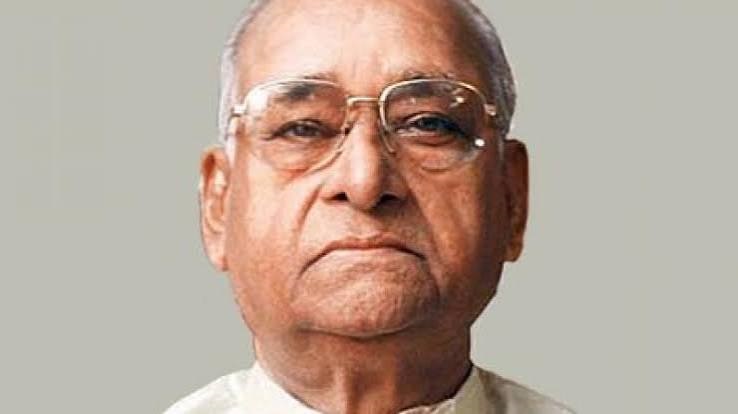
Hira Lal Sibal was a towering legal luminary and one of India’s most respected advocates, whose legal career spanned an astounding 67 years. Renowned for his razor-sharp intellect, uncompromising integrity, and mastery over civil, criminal, and constitutional law, Sibal practiced extensively in pre-partition Lahore, the Punjab and Haryana High Court, and the Supreme Court of India. Beyond his courtroom triumphs, he is celebrated for defending freedom of expression during landmark pre-independence trials and for raising a remarkably accomplished family.
2. Quick Facts
- Full Name: Hira Lal Sibal (H. L. Sibal)
- Native Name: ਹੀਰਾ ਲਾਲ ਸਿੱਬਲ (Punjabi)
- Date of birth: September 24, 1914
- Place Of birth: Lahore, Punjab, British India
- Nationality: Indian
- Occupation/ Profession: Senior Advocate, Jurist, and Legal Consultant
- Field of Achievement: Constitutional Law, Civil & Criminal Litigation, and Public Advocacy
- Years Active: 1937–2005
3. Award Information (Focus: Padma Bhushan)
- Award Name: Padma Bhushan
- Award Category: Civil Honour (Third-Highest Civilian Award in India)
- Award Year: 2006
- Presented By: Dr. A.P.J. Abdul Kalam (President of India)
- Date of Ceremony: March 29, 2006
- Citation/Official Reason: Recognized for his exceptional contribution to the legal field, jurisprudence, and decades of distinguished public service.
- Previous Recipients (Notable peers in 2006): Distinguished jurists, scientists, and public leaders.
- Next Recipients: (Succeeding civilian award cycles encompassing prominent legal and public figures).
4. Why He Received the Award
Hira Lal Sibal received the Padma Bhushan for his lifetime of monumental service to the Indian legal system. Over nearly seven decades of active practice, he set stellar benchmarks for professional ethics, defended fundamental rights and freedom of speech, and mentored generations of lawyers, cementing his status as an unmatched stalwart of the bar.
5. Early Life
Born in Lahore in British India just before the onset of World War I, Sibal grew up amidst a changing political and social landscape. The turbulence of the Indian independence movement and the subsequent trauma of the 1947 Partition forced him—like millions of others—to rebuild his life from scratch after migrating as a refugee to independent India. These early trials forged a deep-seated resilience, fierce independence, and a relentless work ethic that characterized his entire career.
6. Education
- Early Education: Completed his foundational schooling and higher studies in Lahore.
- Legal Qualifications: Earned his formal law degree, equipping himself with a deep understanding of jurisprudence that allowed him to transition seamlessly from pre-partition British Indian courts to the constitutional courts of free India.
7. Career Journey
- Pre-Independence Practice (1937–1947): Commenced his practice in 1937 at the district courts in Lahore, quickly establishing a reputation as a fearless defense attorney—notably defending prominent literary figures like Saadat Hasan Manto and Ismat Chughtai against obscenity charges in 1945.
- Post-Partition Relocation (1948–1955): Re-established his legal practice following the partition, working briefly in Shimla before permanently settling in Chandigarh in 1955 to practice at the newly emerging Punjab and Haryana High Court.
- Advocate General Tenures: Served multiple prestigious terms as the Advocate General of Punjab (1968–1969, 1970–1972) and Advocate General of Haryana (1985–1986, 1991–1996).
- Active Courtroom Practice: Argued landmark constitutional, civil, and criminal cases in the Supreme Court of India until his retirement in 2005 at the age of 91.
8. Major Achievements
- Defended legendary Urdu writers Saadat Hasan Manto and Ismat Chughtai in their historic 1945 freedom of expression trial.
- Served four distinct terms as Advocate General across the states of Punjab and Haryana.
- Recognized as a “Living Legend of the Law” by the International Bar Association in 1994.
- Conferred the Punjab Rattan Award and an honorary award of honor by Punjabi University, Patiala, at age 98.
9. Contribution to the Nation
Sibal’s contributions to India transcended winning high-profile cases; he helped shape the contours of constitutional interpretation and administrative law in the formative decades of the Indian republic. Known for famously declining offers to be elevated to the bench so that he could remain an independent voice at the bar, he stood as a steadfast defender of civil liberties, judicial accountability, and the rule of law.
10. Other Awards and Honours
- Living Legend of the Law by the International Bar Association (1994)
- Padma Bhushan by the Government of India (2006)
- Punjab Rattan Award
- Award of Honour from Punjabi University, Patiala (2012)
11. Legacy and Influence
Hira Lal Sibal’s legacy is preserved not only in judicial law reports and landmark precedents but also through his remarkable family. He instilled values of discipline, academic rigor, and public duty in his children, who went on to scale extraordinary heights in public service, law, and diplomacy. He remains remembered by peers and judges as an embodiment of courtroom grace, absolute fairness, and fearless advocacy.
12. Interesting Facts
- The Manto Connection: Long before he became a senior statesman of the Supreme Court, a young Sibal successfully defended progressive writers Manto and Chughtai when they were prosecuted for obscenity over their revolutionary short stories—a case that remains a cornerstone of free speech jurisprudence in South Asia.
- Turning Down the Bench: True to his love for active trial advocacy and argument, Sibal turned down opportunities to become a High Court judge, choosing instead to remain an independent counsel.
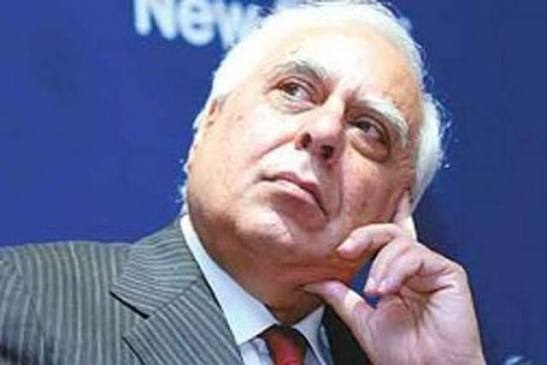
- An Exceptional Parental Legacy: Sibal and his wife Kailash Rani raised a family of high-achieving children: Kapil Sibal (noted senior lawyer and former Union Minister), Kanwal Sibal (former Foreign Secretary of India), V.K. Sibal, J.K. Sibal, and Asha Nanda.
13. Quotes
“Work with sincerity and honesty to achieve your goals. Let it be like an obsession and you will achieve great results.”
14. Timeline
- 1914: Born on September 24 in Lahore, British India.
- 1937: Begins his legal practice at the district courts in Lahore.
- 1945: Defends writers Manto and Chughtai in landmark free speech proceedings.
- 1947–1948: Migrates to India during the Partition, rebuilding his practice.
- 1955: Settles down in Chandigarh to practice at the Punjab and Haryana High Court.
- 1968–1972: Serves his first terms as Advocate General of Punjab.
- 1994: Honored as a “Living Legend of the Law” by the International Bar Association.
- 2005: Retires from active courtroom practice after a 67-year career.
- 2006: Conferred the Padma Bhushan by President Dr. A.P.J. Abdul Kalam.
- 2012: Passes away on December 29 in Chandigarh at the age of 98.
15. References
- Wikipedia: Hira Lal Sibal Profile & History
- Ministry of Home Affairs, Government of India (Padma Awards Records)
- Archival reports and obituaries from The Times of India, The Indian Express, and Business Standard (December 2012)
- Biographical profiles and family archives
16. Related Personalities
- Kapil Sibal (Youngest son, prominent senior advocate, and politician)
- Kanwal Sibal (Son and former Foreign Secretary of India)
- Saadat Hasan Manto (Renowned Urdu author whom Sibal famously represented)
- Dr. A.P.J. Abdul Kalam (President of India who presented the Padma Bhushan)
17. Frequently Asked Questions (FAQ)
- Q: What is Hira Lal Sibal best known for?
- A: He is best celebrated as a legendary Indian lawyer with a 67-year career, serving multiple terms as Advocate General and defending crucial free speech and constitutional cases.
- Q: Is Hira Lal Sibal related to Kapil Sibal?
- A: Yes, Hira Lal Sibal was the father of prominent senior advocate and political leader Kapil Sibal, as well as former Foreign Secretary Kanwal Sibal.
- Q: What major awards did Hira Lal Sibal receive?
- A: He was honored with the Padma Bhushan in 2006 and was recognized as a “Living Legend of the Law” by the International Bar Association.
About the Author