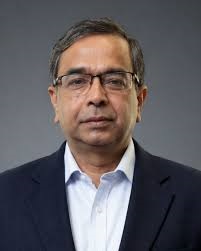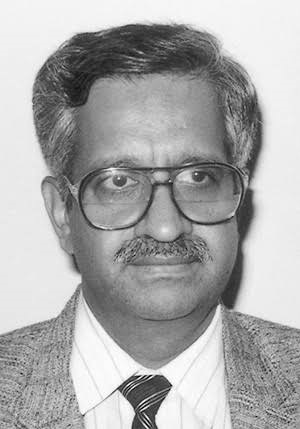

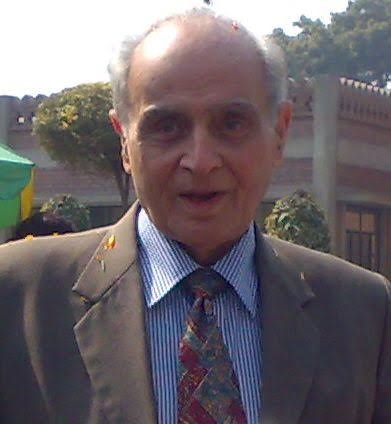
Introduction
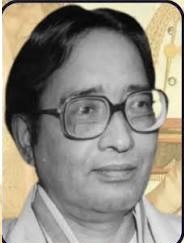
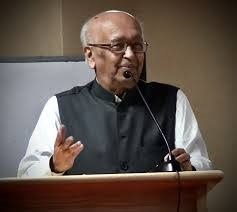
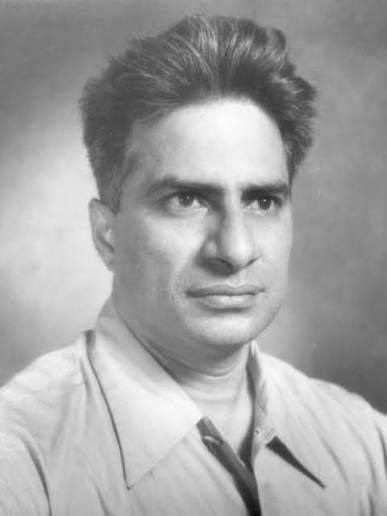
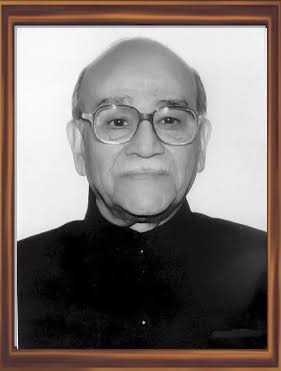
Syed Zahoor Qasim (1926–2015) was a pioneering Indian marine biologist, oceanographer, and scientific administrator who is widely regarded as the “Father of Indian Oceanography.” His groundbreaking work laid the foundation for modern marine science in India and significantly advanced the study of marine ecosystems, fisheries, estuarine ecology, and ocean resources. Qasim played a pivotal role in establishing India’s marine research infrastructure and was instrumental in organizing the country’s first scientific expedition to Antarctica. His leadership helped shape national policies on marine conservation, ocean exploration, and sustainable use of marine resources.
Early Life and Education
Syed Zahoor Qasim was born on 31 December 1926 in Allahabad (now Prayagraj), Uttar Pradesh, India. Growing up with a keen interest in nature and aquatic life, he developed a passion for biological sciences from an early age.
He completed his early education in Allahabad before enrolling at the University of Allahabad, where he earned his bachelor’s and master’s degrees in zoology. His academic excellence earned him opportunities for advanced research, and he later obtained a Doctor of Philosophy (Ph.D.) in Marine Biology. During his studies, he specialized in marine organisms, fisheries biology, and aquatic ecology, laying the groundwork for a distinguished scientific career.
Scientific Career & Research
Syed Z. Qasim dedicated more than five decades to advancing marine biology and oceanographic research in India.
Early Research
Qasim began his career studying the biology and ecology of marine organisms, focusing particularly on shellfish, mollusks, and estuarine ecosystems. His research examined how environmental factors such as salinity, temperature, and nutrient availability influence marine life.
Marine Biology and Fisheries
One of his primary research interests was marine fisheries and the sustainable management of marine resources. His studies improved scientific understanding of:
- Fish population dynamics
- Breeding and reproductive biology of marine organisms
- Coastal ecosystem productivity
- Sustainable fisheries management
- Marine biodiversity conservation
His findings contributed to improving India’s fisheries sector and informed policies for sustainable exploitation of marine resources.
Estuarine Ecology
Qasim conducted extensive research on India’s estuaries, where freshwater rivers meet the sea. His work explained:
- Nutrient cycling
- Primary productivity
- Food chains in estuarine ecosystems
- Seasonal ecological changes
- Interactions between marine and freshwater organisms
These studies became foundational references for estuarine ecology in tropical regions.
Oceanography
Recognizing the importance of oceans in climate, biodiversity, and economic development, Qasim expanded his research into physical, chemical, and biological oceanography.
His work included studies on:
- Ocean productivity
- Marine plankton
- Coastal ecosystems
- Ocean circulation
- Marine pollution
- Biological oceanography
He emphasized interdisciplinary research combining biology, chemistry, geology, and physics to better understand ocean systems.
Scientific Administration
Syed Z. Qasim held several prestigious leadership positions, including:
- Director of the Central Marine Fisheries Research Institute (CMFRI)
- Secretary of the Department of Ocean Development, Government of India
- Director of the National Institute of Oceanography (NIO)
Under his leadership, these institutions expanded marine research programs, modernized laboratories, and strengthened international collaborations.
Antarctic Research
Perhaps his most celebrated contribution was leading India’s First Antarctic Expedition (1981–1982).
The expedition:
- Established India’s presence in Antarctica.
- Collected valuable scientific data on climate, geology, and marine ecosystems.
- Laid the foundation for India’s permanent Antarctic research program.
- Led to the establishment of Indian research stations in Antarctica.
This achievement marked a milestone in India’s scientific history.
Major Discoveries and Contributions
Although marine biology is largely driven by collaborative research rather than individual inventions, Syed Z. Qasim made numerous landmark contributions.
1. Pioneer of Indian Oceanography
Qasim helped establish oceanography as a major scientific discipline in India by promoting multidisciplinary marine research and developing national ocean science programs.
2. Research on Estuarine Productivity
His studies demonstrated how estuaries support rich biodiversity and serve as highly productive ecosystems essential for fisheries and coastal livelihoods.
3. Advances in Marine Fisheries Science
His research improved understanding of:
- Fish breeding cycles
- Marine food webs
- Coastal resource management
- Sustainable harvesting practices
These contributions supported India’s fisheries development.
4. India’s First Antarctic Expedition
Qasim successfully led India’s inaugural Antarctic mission, opening new opportunities for research in:
- Polar biology
- Climate science
- Glaciology
- Marine ecology
- Atmospheric sciences
5. Development of Marine Research Infrastructure
He strengthened India’s marine science institutions by expanding research facilities, improving training, and encouraging international scientific cooperation.
6. National Ocean Development Programs
As Secretary of the Department of Ocean Development, he promoted programs related to:
- Marine resource exploration
- Coastal zone management
- Ocean technology
- Marine environmental monitoring
- Sustainable use of ocean resources
Awards and Honours
Syed Z. Qasim received numerous prestigious awards in recognition of his outstanding contributions to marine biology and oceanography.
Some of his major honours include:
- Padma Shri (1974), awarded by the Government of India for his contributions to science and engineering.
- Padma Bhushan (1982), one of India’s highest civilian honours, recognizing his leadership in marine science and oceanography.
- Fellow of the Indian National Science Academy (INSA).
- Fellow of the Indian Academy of Sciences (IASc).
- Fellow of the National Academy of Sciences, India (NASI).
- Fellow of The World Academy of Sciences (TWAS).
- Held leadership roles in numerous national and international scientific organizations related to marine science.
Later Life and Death
After retiring from government service, Syed Z. Qasim continued contributing to science through writing, mentoring, and advising national and international organizations.
He authored several scientific papers, books, and reports on marine biology, oceanography, and environmental conservation. His expertise remained highly valued in discussions on sustainable marine resource management and climate-related issues.
Syed Z. Qasim passed away on 20 February 2015 at the age of 88. His death marked the end of an extraordinary scientific career that transformed India’s marine research landscape.
Legacy and Impact
Syed Z. Qasim’s contributions continue to influence marine science and oceanography in India and beyond.
Father of Indian Oceanography
He is widely recognized as the architect of modern oceanographic research in India, having built the institutional framework for marine science.
Antarctic Research Pioneer
His leadership of India’s first Antarctic expedition established the country’s long-term presence in polar research and international scientific collaboration.
Marine Conservation
His work highlighted the ecological importance of coastal ecosystems and promoted sustainable management of marine resources.
Scientific Institution Builder
Qasim played a central role in strengthening institutions such as the Central Marine Fisheries Research Institute, the National Institute of Oceanography, and the Department of Ocean Development, enabling them to become leading centers of marine research.
Mentor and Educator
He inspired generations of marine biologists, oceanographers, and environmental scientists through his research, leadership, and commitment to scientific excellence.
Global Recognition
His scientific publications and international collaborations earned him recognition as one of the leading marine scientists from the developing world, contributing significantly to tropical marine ecology and ocean science.
Conclusion
Syed Z. Qasim was a visionary scientist whose pioneering work in marine biology, fisheries science, oceanography, and Antarctic exploration transformed India’s understanding and management of its marine environment. Through his research on estuarine ecology, sustainable fisheries, and ocean productivity, as well as his leadership in establishing India’s Antarctic research program, he left an enduring legacy that continues to guide marine science and environmental conservation. His dedication to scientific discovery and institution building firmly established him as one of India’s greatest marine biologists and the Father of Indian Oceanography.
About the Author