Introduction
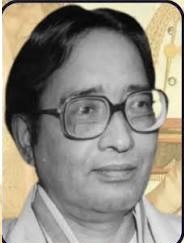
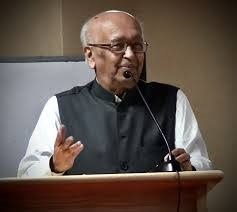
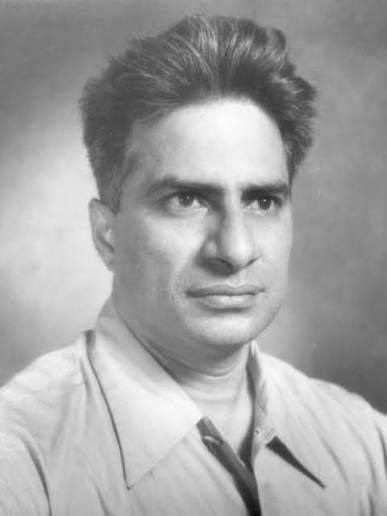
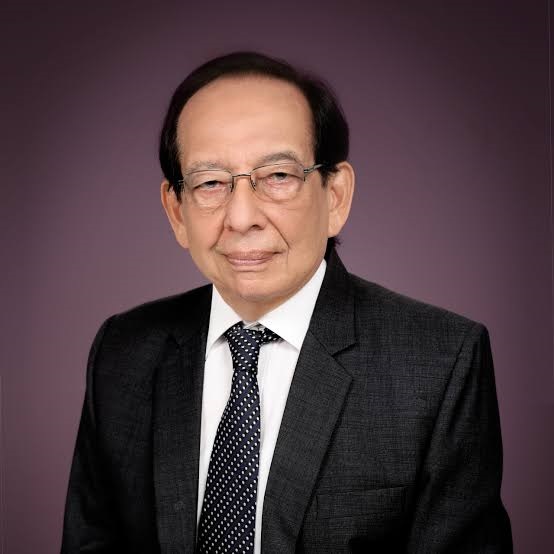
Harsh Kumar Gupta (born 1942) is one of India’s most distinguished geophysicists, internationally recognized for his pioneering research in seismology, earthquake science, geothermal energy, reservoir-induced seismicity, and Earth sciences. He has made significant contributions to understanding earthquakes, tectonic processes, geothermal resources, and the Earth’s crust. Gupta is especially renowned for his groundbreaking work on reservoir-induced seismicity (RIS)—earthquakes triggered by the filling of large reservoirs behind dams. His research has influenced earthquake hazard assessment and disaster mitigation policies worldwide. Throughout his career, he has also served in key scientific leadership roles, helping shape India’s Earth science research and infrastructure.
Early Life and Education
Harsh Kumar Gupta was born on 19 April 1942 in India. From an early age, he showed a strong interest in mathematics, physics, and the natural sciences. His curiosity about the Earth’s dynamic processes inspired him to pursue higher studies in geophysics.
He earned his undergraduate degree in science before specializing in geophysics at the postgraduate level. He later completed a Ph.D. in Geophysics, focusing on earthquake science and the structure of the Earth’s crust. His academic training equipped him with expertise in:
- Seismology
- Geophysics
- Plate tectonics
- Earthquake engineering
- Geothermal exploration
- Crustal deformation
His strong educational foundation paved the way for an internationally acclaimed research career.
Scientific Career & Research
Harsh K. Gupta has had a distinguished career spanning more than five decades in research, scientific administration, and education.
National Geophysical Research Institute (NGRI)
Gupta spent a significant part of his career at the National Geophysical Research Institute (NGRI), Hyderabad, one of India’s premier institutions for Earth science research. He served as a senior scientist and later as Director, where he expanded research in seismology, geothermal studies, and tectonics.
Under his leadership, NGRI strengthened its capabilities in earthquake monitoring, geophysical exploration, and interdisciplinary Earth science research.
Reservoir-Induced Seismicity (RIS)
Harsh K. Gupta is internationally recognized as one of the foremost experts on reservoir-induced seismicity, a phenomenon in which earthquakes are triggered by the filling and operation of large water reservoirs.
His studies examined:
- The relationship between dam reservoirs and seismic activity.
- Changes in underground stress caused by water pressure.
- Fault reactivation due to reservoir loading.
- Mechanisms behind human-induced earthquakes.
His work on the Koyna Dam in Maharashtra became one of the world’s most influential case studies on reservoir-induced earthquakes.
Earthquake Seismology
Gupta’s research has greatly improved understanding of:
- Earthquake generation
- Seismic wave propagation
- Active fault systems
- Plate boundary interactions
- Earthquake forecasting techniques
- Seismic hazard assessment
His work has contributed to improving earthquake preparedness and risk reduction strategies in India.
Geothermal Energy Research
Harsh K. Gupta has been a pioneer in exploring India’s geothermal energy resources.
His research focused on:
- Geothermal reservoirs
- Heat flow within the Earth
- Sustainable geothermal energy extraction
- Volcanic and tectonic heat sources
He advocated the development of geothermal energy as a clean and renewable source of power.
Plate Tectonics and Earth’s Interior
Gupta investigated the structure and evolution of the Earth’s crust and upper mantle.
His research included:
- Plate movements
- Continental deformation
- Himalayan tectonics
- Lithospheric evolution
- Deep crustal structures
These studies enhanced scientific understanding of the geological evolution of the Indian subcontinent.
Scientific Leadership
Throughout his career, Gupta held several prestigious leadership positions, including:
- Director of the National Geophysical Research Institute (NGRI)
- Secretary of the Department of Ocean Development, Government of India
- President of the Geological Society of India
- Vice-Chancellor of the University of Allahabad
- Distinguished Professor at various research institutions
He also served on numerous national and international scientific committees related to Earth sciences.
Major Discoveries and Contributions
Although geophysics advances through collaborative research rather than individual inventions, Harsh K. Gupta has made several landmark contributions.
1. Global Leadership in Reservoir-Induced Seismicity
His research established scientific models explaining how large reservoirs can trigger earthquakes by altering underground stress conditions. His work has become a global reference for engineers, geologists, and disaster management agencies.
2. Koyna Earthquake Studies
Gupta conducted extensive investigations into the Koyna earthquake region, one of the world’s most studied examples of reservoir-induced seismicity. His findings have significantly improved understanding of induced earthquakes.
3. Earthquake Hazard Assessment
He developed methodologies for evaluating seismic risks in tectonically active regions, contributing to safer infrastructure planning and disaster preparedness.
4. Geothermal Resource Exploration
Gupta promoted scientific exploration of geothermal energy resources across India, identifying regions with potential for renewable energy development.
5. Advances in Indian Seismology
His work strengthened India’s seismic monitoring networks and improved the interpretation of earthquake data, leading to better understanding of the country’s seismic zones.
6. Scientific Publications
Harsh K. Gupta has authored and co-authored hundreds of scientific papers, review articles, and books on:
- Earthquake science
- Seismology
- Geothermal energy
- Geophysics
- Plate tectonics
- Reservoir-induced seismicity
His publications are widely cited by researchers around the world.
Awards and Honours
Harsh K. Gupta has received numerous national and international honours for his outstanding contributions to Earth sciences.
Some of his major recognitions include:
- Shanti Swarup Bhatnagar Prize for Science and Technology (Earth, Atmosphere, Ocean and Planetary Sciences).
- Padma Shri (2006), awarded by the Government of India for his contributions to science and engineering.
- Fellow of the Indian National Science Academy (INSA).
- Fellow of the Indian Academy of Sciences (IASc).
- Fellow of the National Academy of Sciences, India (NASI).
- Fellow of the The World Academy of Sciences (TWAS).
- Recipient of several awards from the Geological Society of India and other scientific organizations.
- Honorary memberships and recognitions from international geophysical societies.
Later Life and Death
After retiring from full-time administrative responsibilities, Harsh K. Gupta remained actively engaged in research, teaching, mentoring, and scientific policy.
He has continued to:
- Publish scientific papers and books.
- Deliver lectures at universities and international conferences.
- Mentor young Earth scientists.
- Advise government agencies on earthquake risk, geothermal energy, and geoscience policy.
As of the latest publicly available information, Harsh K. Gupta is living and continues to contribute to Earth science research and education.
Legacy and Impact
Harsh K. Gupta’s work has profoundly influenced both Indian and global Earth sciences.
Pioneer of Reservoir-Induced Seismicity
He is internationally regarded as one of the foremost authorities on reservoir-induced earthquakes, with his research serving as a foundation for engineering and disaster risk management worldwide.
Advancing Seismology
His studies have improved understanding of earthquake mechanisms, seismic hazards, and tectonic processes, strengthening India’s earthquake preparedness.
Promoting Renewable Energy
Through his geothermal research, Gupta highlighted the potential of geothermal energy as a sustainable and environmentally friendly energy source.
Institutional Leadership
His leadership at the National Geophysical Research Institute and the Department of Ocean Development strengthened India’s scientific infrastructure and fostered multidisciplinary Earth science research.
Mentor and Educator
Gupta has inspired generations of geophysicists, seismologists, and Earth scientists through his teaching, publications, and guidance.
International Recognition
His extensive body of research, especially on induced seismicity and geothermal systems, has earned worldwide recognition and continues to influence geoscientific research across the globe.
Conclusion
Harsh K. Gupta is one of India’s most accomplished geophysicists, whose pioneering work in seismology, reservoir-induced seismicity, geothermal energy, and Earth sciences has had a lasting impact on both scientific research and public safety. His studies have advanced understanding of earthquake processes, improved seismic hazard assessment, and promoted sustainable exploration of geothermal resources. Through his scientific discoveries, institutional leadership, and dedication to mentoring future researchers, Gupta has left an enduring legacy that continues to shape Earth science research in India and around the world.
About the Author