Early Life and Education
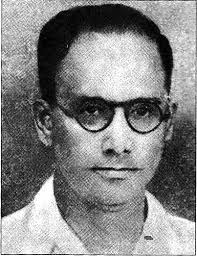
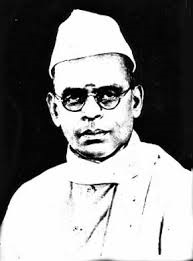
S. Satyamurti, whose full name was Sundara Sastri Satyamurti, was born on 19 August 1887 in Tirumayam, in present-day Tamil Nadu. He was born into a middle-class Brahmin family that valued education and public service.
He received his early education in local schools before pursuing higher studies at Maharaja’s College, Tiruchirappalli. Later, he moved to Madras (now Chennai) to study at the prestigious Madras Christian College. After completing his undergraduate studies, he obtained a law degree from the Madras Law College and began practicing as an advocate in the Madras High Court.
His education exposed him to nationalist ideas that eventually inspired him to join India’s struggle for independence.
Education & Skills
Satyamurti possessed an excellent academic background and was highly respected for his intellectual abilities. His key educational achievements and skills included:
- Bachelor’s degree from Madras Christian College.
- Law degree from Madras Law College.
- Successful career as a lawyer before entering active politics.
- Exceptional public speaking and debating skills.
- Strong leadership and organizational abilities.
- Expertise in constitutional matters and legislative procedures.
- Fluency in Tamil and English, which enabled him to communicate effectively with diverse audiences.
His eloquence earned him recognition as one of the finest orators of the Indian National Congress.
Contribution to Tamil Literature
Although S. Satyamurti was not primarily a literary figure, he contributed significantly to the growth of Tamil language and culture through his speeches and advocacy.
His contributions include:
- Encouraging the use of Tamil in public life and political discourse.
- Delivering inspiring speeches that reflected Tamil cultural values.
- Supporting initiatives aimed at promoting education in regional languages.
- Influencing nationalist writers and intellectuals through his patriotic ideals.
His writings and speeches helped spread nationalist consciousness among Tamil-speaking people during the freedom movement.
Role in India’s Freedom Movement
S. Satyamurti played a vital role in the Indian freedom struggle through both mass movements and legislative politics.
His major contributions include:
Participation in the Indian National Congress
He became an active member of the Indian National Congress and worked closely with several national leaders.
Non-Cooperation Movement
Inspired by Mahatma Gandhi, Satyamurti participated in the Non-Cooperation Movement and encouraged people to oppose British rule through peaceful means.
Civil Disobedience Movement
He actively supported the Civil Disobedience Movement, mobilizing people in the Madras Presidency to participate in protests against colonial policies.
Legislative Leadership
Unlike many leaders who focused solely on agitation, Satyamurti believed in using legislative institutions to advance the nationalist cause. He served in the Madras Legislative Council and the Central Legislative Assembly, where he criticized British policies and advocated for greater self-governance.
Imprisonment
Due to his nationalist activities, he was imprisoned by the British government on multiple occasions. Despite these hardships, he remained committed to India’s independence.
Mentorship
Satyamurti mentored several younger political leaders, including K. Kamaraj, who later became one of Tamil Nadu’s most influential politicians.
Personal Life
S. Satyamurti led a disciplined and principled life dedicated to public service.
Some notable aspects of his personal life include:
- He was known for his integrity and commitment to democratic values.
- Despite professional success as a lawyer, he devoted most of his time to the nationalist movement.
- He maintained close relationships with fellow Congress leaders across India.
- His simple lifestyle reflected the ideals of sacrifice and service promoted during the independence movement.
His dedication earned him widespread respect among both colleagues and the general public.
Death
S. Satyamurti passed away on 28 March 1943 in Madras (Chennai) while India was still under British rule. His death was deeply mourned by national leaders and freedom fighters throughout the country.
Although he did not live to witness India’s independence in 1947, his contributions significantly strengthened the nationalist movement in South India.
Conclusion
S. Satyamurti remains one of Tamil Nadu’s distinguished freedom fighters and political leaders. His powerful oratory, legal expertise, and unwavering commitment to democratic principles made him an influential figure in India’s struggle for independence. Through his participation in national movements, legislative advocacy, and mentorship of future leaders such as K. Kamaraj, he left an enduring legacy in Indian political history. Remembered for his patriotism and public service, Satyamurti continues to inspire generations of Indians dedicated to justice, leadership, and national progress.
About the Author