Early Life and Education
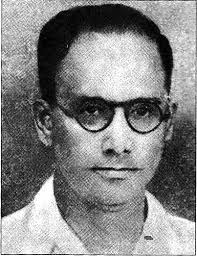
J. Shivashanmugam Pillai (also spelled J. Sivasanmugam Pillai) was born on 12 January 1901 in the Madras Presidency of British India (present-day Tamil Nadu). He belonged to a socially marginalized community and overcame significant barriers to attain education and public prominence.
He completed his early education in Madras and pursued higher studies with a keen interest in social welfare, public administration, and political affairs. His educational experiences shaped his lifelong commitment to social justice and the upliftment of disadvantaged communities.
Education & Skills
J. Shivashanmugam Pillai was recognized for his administrative abilities and leadership qualities. His notable educational achievements and skills included:
- Formal education in Madras during the colonial period.
- Strong knowledge of public administration and legislative procedures.
- Effective public speaking and communication skills.
- Leadership in social reform and community development initiatives.
- Ability to negotiate and work with diverse political groups.
- Advocacy skills focused on equality, education, and representation for underprivileged communities.
These qualities helped him emerge as an influential political figure in South India.
Contribution to Tamil Literature
J. Shivashanmugam Pillai was not primarily a literary personality; however, he contributed indirectly to the growth of Tamil intellectual life through his support for education and social awareness.
His contributions include:
- Encouraging educational opportunities among marginalized sections of society.
- Supporting the dissemination of knowledge through Tamil-medium education.
- Promoting social reform ideas that inspired discussions in Tamil journals and public forums.
- Advocating for equal access to cultural and educational institutions.
His efforts helped create an environment in which literature and education could flourish among broader sections of society.
Role in India’s Freedom Movement
Although J. Shivashanmugam Pillai is chiefly remembered for his contributions to public life after independence, he was influenced by the nationalist spirit that characterized the final decades of British rule.
His role included:
Support for Nationalist Ideals
He supported the broader objective of ending colonial rule and establishing a democratic system that guaranteed equal rights for all citizens.
Advocacy for Social Justice
Pillai emphasized that political independence should be accompanied by social equality. He worked to ensure that historically disadvantaged communities would benefit from the reforms associated with self-government.
Participation in Public Affairs
During the transition from colonial administration to independent governance, he contributed to discussions concerning representation and inclusive policymaking.
Promotion of Democratic Values
His public career reflected a commitment to constitutional methods and democratic institutions that became foundational to independent India.
While he was not among the foremost leaders of mass civil disobedience movements, his work complemented the broader goals of national freedom and social transformation.
Personal Life
J. Shivashanmugam Pillai devoted much of his life to public service. Important aspects of his personal life include:
- He was deeply committed to the welfare of marginalized communities.
- He believed that education was essential for social advancement.
- He maintained a reputation for integrity and fairness in public office.
- His leadership style emphasized cooperation, inclusiveness, and practical reform.
His personal values strongly influenced his approach to governance and social work.
Death
J. Shivashanmugam Pillai passed away in 1975, leaving behind a legacy of public service and social advocacy. His contributions to legislative institutions and the advancement of disadvantaged communities continue to be remembered in Tamil Nadu’s political history.
Conclusion
J. Shivashanmugam Pillai occupies an important place in the history of Tamil Nadu as a politician, social reformer, and advocate for equality. Through his dedication to education, democratic values, and the upliftment of marginalized sections of society, he contributed to the shaping of a more inclusive public life in India. Although his role in the freedom movement was primarily through support for constitutional and social reforms, his commitment to justice and representation remains an enduring source of inspiration. His life demonstrates that nation-building requires not only political independence but also persistent efforts toward social progress and equal opportunity for all.
About the Author