Introduction
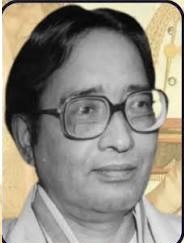
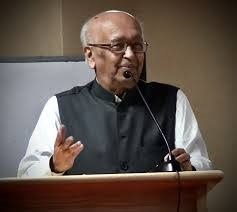
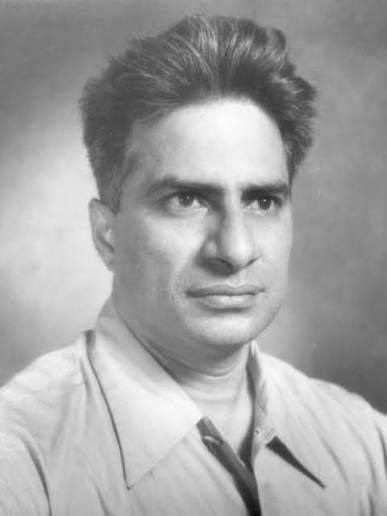
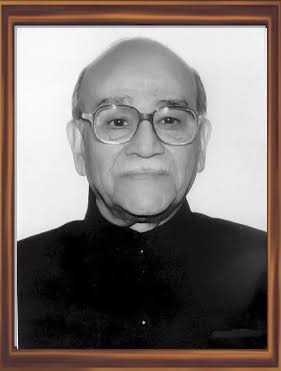
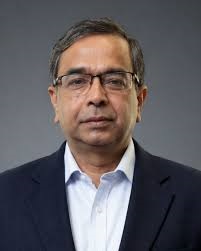
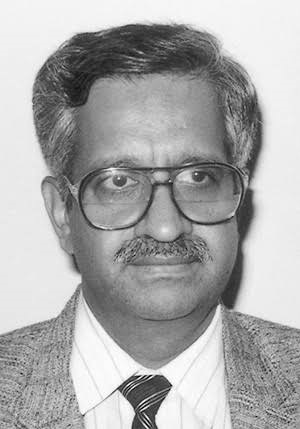
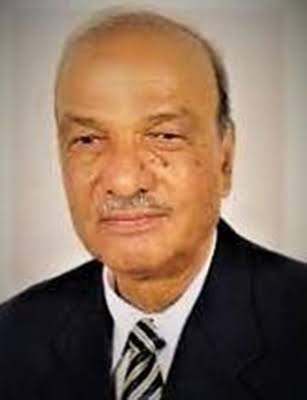
Shankar Kumar Joshi, commonly known as S. K. Joshi, was a distinguished Indian physicist renowned for his contributions to condensed matter physics and materials science. His research advanced the understanding of the electronic, structural, and thermal properties of materials, particularly metals and semiconductors. He also played an important role in strengthening scientific institutions and promoting research in India.
Early Life and Education
S. K. Joshi was born on June 4, 1935, in Almora, Uttarakhand (then part of British India). He pursued his early education in India and developed a strong interest in mathematics and physical sciences.
He completed his higher studies in physics and later specialized in condensed matter physics. His academic excellence led him to become one of India’s leading researchers in theoretical and experimental materials science.
Scientific Career & Research
S. K. Joshi spent much of his scientific career at the National Physical Laboratory (NPL), where he eventually became Director.
His major research interests included:
- Condensed Matter Physics
- Materials Science
- Electronic Structure of Solids
- Metals and Alloys
- Semiconductors
- High-Pressure Physics
His work focused on understanding how the atomic and electronic structures of materials influence their physical properties. He contributed significantly to theoretical studies of metals, semiconductors, and phase transitions in solids.
As Director of NPL, he helped modernize research facilities and encouraged interdisciplinary scientific research across various branches of physics and materials science.
Major Discoveries and Inventions
Electronic Structure of Materials
Joshi conducted pioneering studies on the electronic properties of metals and semiconductors, helping scientists understand electrical conductivity and material behavior.
High-Pressure Physics Research
He investigated how materials respond under extreme pressure, leading to a better understanding of structural transformations in solids.
Condensed Matter Theory
His theoretical models contributed to explaining the behavior of electrons in crystalline materials and advanced the field of condensed matter physics.
Materials Characterization
He promoted advanced techniques for studying the physical and chemical properties of materials, aiding technological development.
Scientific Institution Building
Beyond research, he played a crucial role in developing India’s scientific infrastructure and promoting high-quality research programs.
Awards and Honours
S. K. Joshi received several prestigious recognitions during his career:
- Shanti Swarup Bhatnagar Prize in Physical Sciences
- Padma Shri (1991)
- Fellow of the Indian National Science Academy
- Fellow of the Indian Academy of Sciences
- Fellow of the National Academy of Sciences, India
- Numerous national and international scientific honours
Later Life and Death
After retiring from active administrative roles, S. K. Joshi continued contributing to scientific research, education, and policy-making. He remained associated with various scientific organizations and advisory bodies.
S. K. Joshi passed away on May 6, 2021. His death marked the loss of one of India’s most respected physicists and science administrators.
Legacy and Impact
S. K. Joshi’s contributions greatly influenced the development of condensed matter physics and materials science in India. His research enhanced understanding of the fundamental properties of solids and helped advance materials research for technological applications.
His legacy includes:
- Advancing condensed matter physics research in India.
- Improving understanding of metals, semiconductors, and alloys.
- Promoting high-pressure physics studies.
- Strengthening scientific institutions and laboratories.
- Mentoring generations of scientists and researchers.
His work continues to inspire physicists and materials scientists across the world.
Conclusion
S. K. Joshi was a pioneering physicist whose research in condensed matter physics and materials science significantly advanced scientific knowledge in India. Through his studies of electronic structures, semiconductors, and material properties, he contributed to both fundamental science and technological progress. His leadership, research achievements, and commitment to scientific excellence have left a lasting legacy in Indian science.
Short Blog Summary (200 Words)
S. K. Joshi (1935–2021) was a distinguished Indian physicist known for his major contributions to condensed matter physics and materials science. Born in Almora, Uttarakhand, he pursued a career dedicated to understanding the fundamental properties of materials such as metals, semiconductors, and alloys. His research played an important role in advancing knowledge about the electronic structure and behavior of solid materials.
Throughout his career, Joshi worked extensively at the National Physical Laboratory (NPL), where he later served as Director. His studies focused on electronic properties of solids, phase transitions, and the effects of high pressure on materials. These contributions helped scientists better understand how materials behave under different physical conditions and supported technological developments in electronics and engineering.
Joshi was also a respected science administrator who helped strengthen India’s research infrastructure and promote interdisciplinary scientific collaboration. His efforts contributed significantly to the growth of materials science research in the country.
In recognition of his achievements, he received the Shanti Swarup Bhatnagar Prize, the Padma Shri, and fellowships from several prestigious scientific academies. Today, S. K. Joshi is remembered as a pioneering scientist and institution builder whose work advanced both fundamental physics and practical applications in materials science, leaving a lasting impact on Indian scientific research.
About the Author