Early Life and Education
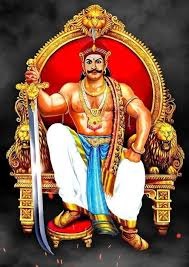
Veerapandiya Kattabomman was born on 3 January 1760 in Panchalankurichi. He belonged to the Kattabomman Nayak family, which ruled the Panchalankurichi Palayam (feudal estate) in present-day Tamil Nadu.
Unlike modern leaders who received formal schooling, Kattabomman was educated through traditional methods. From an early age, he was trained in administration, warfare, horse riding, swordsmanship, and military strategy. These skills prepared him to become the ruler of Panchalankurichi after his father’s death.
Education & Skills
Although he did not receive formal university education, Veerapandiya Kattabomman possessed exceptional leadership and military abilities.
Key Skills
- Military strategy and warfare
- Sword fighting and combat techniques
- Horse riding
- Leadership and governance
- Diplomacy and negotiation
- Administration of the Palayam
- Courage and decision-making
His bravery and determination made him one of the earliest resistance leaders against British colonial expansion in South India.
Contribution to Tamil Literature
Veerapandiya Kattabomman was not a literary figure and did not directly contribute to Tamil literature. However, his heroic life inspired a vast body of Tamil literary and cultural works.
Literary Influence
- Celebrated in numerous Tamil folk songs and ballads.
- Featured in historical poems and dramas.
- Inspired several Tamil biographies and historical novels.
- His story has been included in Tamil school textbooks.
- His legacy was popularized through the acclaimed Tamil film Veerapandiya Kattabomman starring Sivaji Ganesan.
As a symbol of resistance and patriotism, he continues to occupy a prominent place in Tamil culture and literature.
Role in India’s Freedom Movement
Veerapandiya Kattabomman is regarded as one of the earliest freedom fighters who challenged British authority in India.
Major Contributions
- Refused to pay excessive tribute demanded by the British East India Company.
- Asserted the independence and rights of local rulers against British interference.
- Led armed resistance against British forces in the late 18th century.
- Played a key role in the Polygar Wars.
- Inspired other South Indian rulers and freedom fighters to oppose colonial rule.
Although his struggle occurred decades before the organized national freedom movement, his resistance is considered an important precursor to India’s fight for independence.
Personal Life
Veerapandiya Kattabomman served as the ruler (Polygar) of Panchalankurichi. Historical records about his family life are limited, but he was known for his loyalty to his people and his unwavering commitment to protecting his kingdom.
He was respected by his subjects for his courage, sense of justice, and refusal to submit to foreign domination. His close associates, including his brother Oomaithurai, also participated in the resistance against the British.
Death
After a series of conflicts with British forces, Kattabomman was captured in 1799 with the assistance of local allies of the British.
He was executed by hanging on 16 October 1799 at Kayathar. His execution was intended to suppress resistance, but instead it transformed him into a symbol of courage and patriotism.
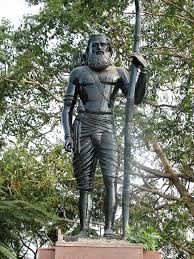
Today, memorials and statues across Tamil Nadu honor his sacrifice and legacy.
Conclusion
Veerapandiya Kattabomman was a fearless warrior, visionary leader, and one of the earliest opponents of British colonial rule in India. His refusal to bow to foreign authority and his courageous defense of his people’s rights made him a legendary figure in Tamil and Indian history. Though he sacrificed his life, his spirit of resistance continues to inspire generations, making him an enduring symbol of bravery, patriotism, and the fight for freedom.
About the Author