Early Life and Education
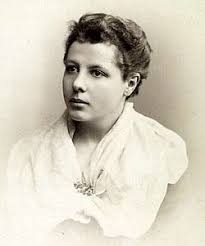
Annie Besant was born on 1 October 1847 in London, United Kingdom. She grew up in a middle-class family and lost her father at a young age, which led to financial difficulties. Despite challenges, she was well-educated at home and later in private schools. From an early age, she showed strong curiosity about religion, society, and justice.
Education & Skills
Annie Besant was largely self-educated. She developed strong skills in:
- Writing and journalism
- Public speaking
- Religious and philosophical studies
- Organizational leadership
She became a powerful orator and writer, known for her clear ideas and fearless opinions on social and political issues.
Contribution to Tamil Literature
Although Annie Besant did not directly contribute to Tamil literature, she played an important role in promoting education in India, especially in the South. Through her educational institutions and Theosophical influence, she helped create an environment where Indian languages, including Tamil, gained respect and academic attention. Her efforts supported the broader cultural and educational growth of Tamil-speaking regions.
Role in India’s Freedom Movement
Annie Besant became deeply involved in India’s struggle for self-rule after moving to India. She:
- Joined the Theosophical Society
- Founded the Home Rule League in 1916
- Demanded self-government for India
- Worked alongside Indian leaders to promote nationalism
- Inspired many young Indians through speeches and writings
She was even elected as the President of the Indian National Congress in 1917, becoming one of the first women to hold this position.
Personal Life
Annie Besant’s personal life was marked by independence and strong beliefs. She separated from her husband due to ideological differences and chose a life dedicated to reform, spirituality, and public service. She worked closely with scholars, students, and freedom fighters throughout her life in India.
Death
Annie Besant passed away on 20 September 1933 in Adyar, Chennai, India. Her death was widely mourned, especially in India, where she was respected as a major social reformer and nationalist leader.
Conclusion
Annie Besant remains an important figure in Indian history. Her contributions to education, social reform, and the freedom movement made her a unique bridge between India and the West. She inspired generations to think freely, value education, and work toward national progress.
About the Author