Introduction
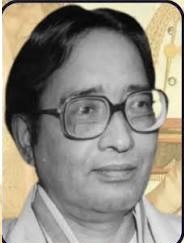
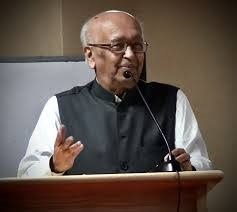
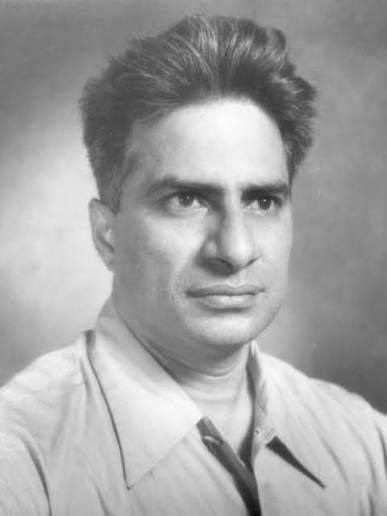
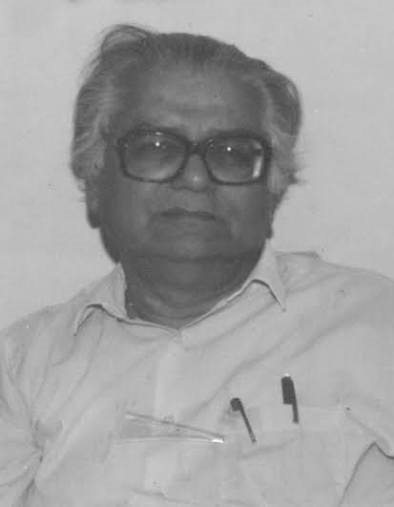
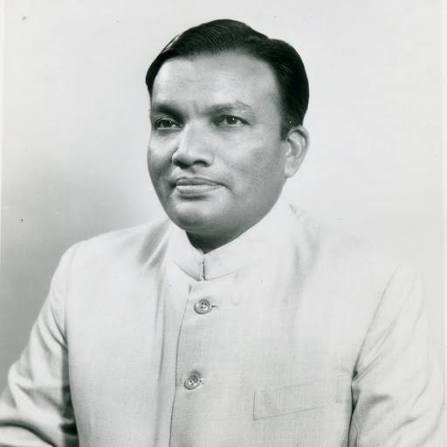
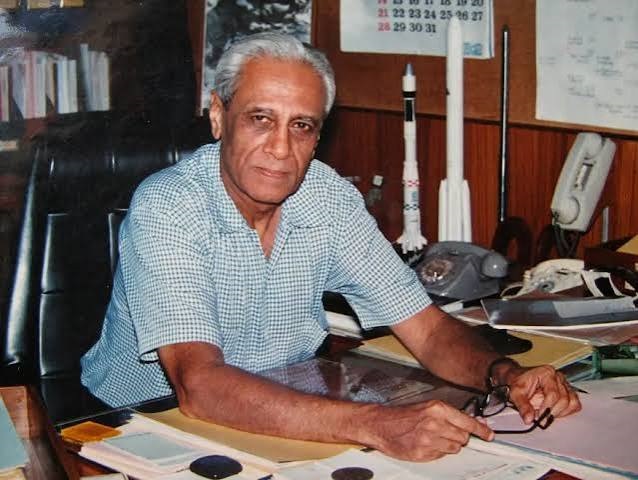
Satish Dhawan was one of India’s most distinguished aerospace engineers and scientists. He is best known for his pioneering work in aerospace engineering, fluid dynamics, and for leading India’s space program during a crucial period of growth. As Chairman of the Indian Space Research Organisation, he transformed the organization into a world-class space agency and laid the foundation for many of India’s future achievements in space technology. His contributions to scientific research, education, and institution-building continue to inspire generations of engineers and scientists.
Early Life and Education
Satish Dhawan was born on 25 September 1920 in Srinagar. He spent his early years in a family that valued education and intellectual pursuits.
Dhawan completed his bachelor’s degree in Mathematics and Physics from University of the Punjab. He later earned a degree in Mechanical Engineering and pursued advanced studies in the United States.
At University of Minnesota, he obtained a Master’s degree in Aerospace Engineering. He then completed another Master’s degree and a Ph.D. in Aeronautics and Mathematics at California Institute of Technology (Caltech), where he specialized in fluid dynamics and boundary-layer research.
Scientific Career & Research
After returning to India in 1951, Dhawan joined the Indian Institute of Science (IISc). His research focused on fluid mechanics, turbulence, supersonic flows, and boundary-layer theory.
Dhawan established several advanced laboratories at IISc and played a major role in developing aerospace research in India. His work helped improve the understanding of airflow behavior around aircraft and rockets, which is critical for aerospace engineering.
In 1972, following the death of Vikram Sarabhai, Dhawan became Chairman of ISRO. Under his leadership, India’s space program expanded significantly, focusing on indigenous technology development and satellite launch capabilities.
Major Discoveries and Inventions
1. Research in Boundary Layer Theory
Dhawan conducted groundbreaking studies on boundary layers, which are thin layers of fluid near a surface. His research improved understanding of aerodynamic performance in aircraft and spacecraft.
2. Supersonic and Hypersonic Flow Research
His work contributed to the study of airflow at extremely high speeds, which is essential for modern aerospace engineering and rocket technology.
3. Turbulence and Fluid Dynamics Studies
Dhawan made important contributions to the understanding of turbulence and fluid behavior, helping engineers design more efficient aircraft and aerospace systems.
4. Development of India’s Space Program
Although not a single invention, his leadership enabled major technological advancements in launch vehicles, satellite systems, and space research.
5. Satellite Launch Vehicle (SLV) Development
Under his guidance, ISRO successfully developed indigenous launch vehicle technology, culminating in the successful launch of the Rohini Satellite in 1980.
6. Strengthening Research Infrastructure
Dhawan established advanced aerospace research facilities and testing centers that continue to support India’s scientific and technological progress.
Awards and Honours
Satish Dhawan received numerous prestigious awards for his contributions to science and engineering:
- Padma Bhushan (1971)
- Padma Vibhushan (1981)
- Fellow of several national and international scientific academies
- Honorary doctorates from leading universities
- Numerous awards in aerospace engineering and scientific research
In recognition of his contributions, ISRO’s launch center in Sriharikota was renamed the Satish Dhawan Space Centre.
Later Life and Death
After serving as Chairman of ISRO from 1972 to 1984, Dhawan continued contributing to science, education, and national development. He remained actively involved in research and academic activities.
Satish Dhawan passed away on 3 January 2002 in Bengaluru at the age of 81. His death marked the loss of one of India’s most respected scientific leaders.
Legacy and Impact
Satish Dhawan’s legacy extends across aerospace engineering, education, and space exploration. His research in fluid dynamics remains influential in aeronautical science, while his leadership transformed ISRO into a strong and self-reliant organization.
Many of India’s later achievements, including advanced satellite launches, lunar missions, and interplanetary exploration, were built upon the foundations established during his tenure.
Dhawan is also remembered for his exceptional leadership style. He encouraged teamwork, innovation, and scientific excellence while mentoring young scientists who later became leaders of India’s space program.
Conclusion
Dr. Satish Dhawan was a pioneering aerospace engineer whose work in fluid dynamics and aeronautics significantly advanced scientific understanding and technological development. As Chairman of ISRO, he guided India’s space program through a transformative period and laid the groundwork for future successes. His contributions to aerospace engineering, scientific research, and institution-building continue to inspire generations of scientists and engineers, making him one of the most important figures in India’s scientific history.
About the Author