1. Introduction
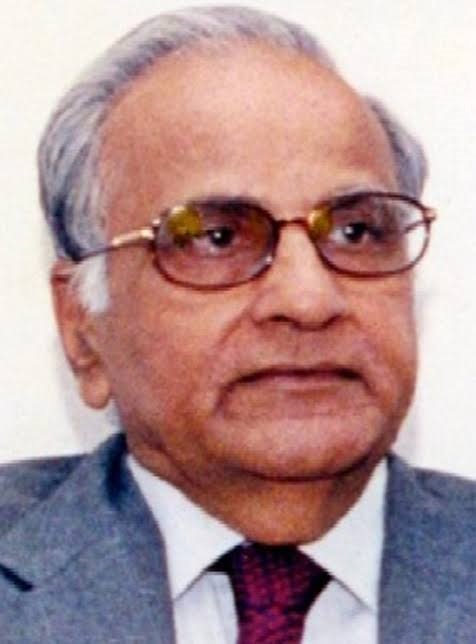
Ram D. Pradhan (27 June 1928 – 31 July 2020) was one of India’s most respected and effective civil servants, diplomats, and administrators. Over a distinguished career spanning 36 years, he served in critical leadership positions under multiple administrations, most notably as India’s Union Home Secretary during the Rajiv Gandhi years. Renowned for his crisis-management skills, structural diplomacy, and absolute integrity, Pradhan played a decisive behind-the-scenes role in drafting historic national agreements like the Assam Accord and the Mizo Accord.
2. Quick Facts
- Full Name: Ram D. Pradhan (Ram Dinkar Pradhan)
- Native Name: राम प्रधान (Marathi)
- Date of Birth: June 27, 1928
- Place of Birth: Maharashtra, India
- Nationality: Indian
- Occupation/Profession: Civil Servant (IAS), Diplomat, Politician, Author
- Field of Achievement: Public Administration, Internal Security, International Trade Diplomacy, and State Governance
- Years Active: 1952 – 2020 (36 years in active government service; later active in public life/authorship)
3. Award Information (Focus: Padma Bhushan)
- Award Name: Padma Bhushan
- Award Category: India’s Third-Highest Civilian Award
- Award Year: 1987
- Presented By: The President of India
- Date of Ceremony: January 26, 1987 (Republic Day, New Delhi)
- Citation/Official Reason: For exceptional and distinguished service to the nation in public administration and civil service.
- Previous Recipients (Examples): Prominent public servants, statesmen, and leaders of the era.
- Next Recipients: Conferred alongside other eminent citizens in the 1987 civil investiture batch.
4. Why Did He Receive the Award?
Pradhan received the Padma Bhushan in recognition of his exemplary administrative career and his pivotal role in safeguarding national stability. Specifically, his deft handling of internal security, his leadership in steering delicate political negotiations in troubled regions, and his unwavering loyalty to constitutional duty earned him this high national honor.
5. Early Life
Born in 1928, Pradhan grew up during the tumultuous decades leading up to India’s independence. Imbued with a strong sense of national duty and public service, he witnessed firsthand the transition of a colonial structure into a democratic republic. His sharp intellect and academic aptitude paved the way for him to enter the elite administrative apparatus of a newly independent India.
6. Education
- Higher Education: Studied law and arts/sciences, developing a deep understanding of governance, socio-political structures, and public policy.
- Administrative Training: Selected into the premier Indian Administrative Service (IAS), positioning him to learn the nuances of grassroots governance and macro-level policy making.
7. Career Journey
- Early Service (1952–1960s): Joined the IAS (1952 batch, Bombay State cadre). Served in various foundational capacities, including Assistant Collector and Sub-Divisional Magistrate in Mount Abu, and working across regions of Bombay and Gujarat.
- Close Advisor to Leadership: Served as Private Secretary to Y. B. Chavan (both during Chavan’s tenure as Chief Minister of Maharashtra and later as India’s Defence Minister).
- International Diplomacy (Geneva): Spent nearly a decade as India’s Resident Representative to UNCTAD and GATT in Geneva, establishing India’s footing in global trade negotiations.
- State Leadership: Served in Maharashtra as Home Secretary (1977) and later as Chief Secretary, alongside roles like Director General of Shipping.
- Union Home Secretary (1985–1986): Brought to New Delhi by Prime Minister Rajiv Gandhi, where he served as the country’s top bureaucrat for internal security.
- Governor & Public Life: Served as the second Governor of Arunachal Pradesh (1987–1990) and later entered the Maharashtra Legislative Council in 1990.
8. Major Achievements
- The Assam Accord (1985): Played a vital institutional role in bringing student leaders (AASU) and the central government to an agreement to resolve the decades-long illegal immigration tension in Assam.
- The Mizoram Accord (1986): Directly negotiated with Mizo National Front leader Laldenga, successfully ending years of insurgency and bringing lasting peace to Mizoram.
- The 26/11 Mumbai Attacks Enquiry (2008): Post-retirement, when the nation reeled from the horrific 2008 Mumbai terror attacks, the Maharashtra government appointed him to head the high-level inquiry commission to review security lapses.
9. Contribution to the Nation
Pradhan’s contributions lie in conflict resolution and institution-building. At a time when India faced severe regional insurgencies (particularly in the Northeast and Punjab), his calm demeanor, patient listening, and rigorous adherence to legality helped integrate alienated groups back into the democratic mainstream. He proved that deep administrative depth could solve political crises that seemed intractable.
10. Other Awards and Honours
- Padma Bhushan (1987)
- Recognized widely by legal, trade, and administrative bodies for his lifelong service to the Union of India.
11. Legacy and Influence
R. D. Pradhan is remembered as an archetype of the “steel frame” of Indian civil services—impartial, deeply knowledgeable, fiercely loyal to the Constitution, and capable of functioning under intense political pressure. Through his memoirs and books (such as Working with Rajiv Gandhi and Beyond Expectations), he left behind rich documentation of contemporary Indian political history.
12. Interesting Facts
- The Bhiwandi Riots Test: Prime Minister Rajiv Gandhi first took notice of Pradhan’s extraordinary crisis-handling capabilities when Pradhan deftly managed administrative relief and security during the sensitive Bhiwandi communal riots in Maharashtra.
- The First to Resign: True to his ethical standards, when political power shifted at the Centre in 1990 and the new government requested all state governors to step down, Governor Pradhan was the absolute first to hand in his resignation.
- Decade in Geneva: Despite being an administrative officer tailored for domestic law and order, he spent roughly ten years as a core international diplomat steering trade talks in Europe.
13. Quotes
“An administrator’s ultimate loyalty is not to a political party or an individual, but to the rule of law and the peace of the common citizen.”
14. Timeline
- 1928: Born on June 27 in Maharashtra.
- 1952: Enters the Indian Administrative Service (IAS).
- 1985: Appointed Union Home Secretary of India by Prime Minister Rajiv Gandhi.
- 1985–1986: Catalyzes the historic Assam and Mizoram Accords.
- 1987: Awarded the Padma Bhushan; appointed Governor of Arunachal Pradesh.
- 2008: Heads the high-level committee investigating the 26/11 Mumbai terror attacks.
- 2020: Passed away on July 31 at the age of 92.
15. References
- Wikipedia contributors. R. D. Pradhan. Wikipedia, The Free Encyclopedia.
- Pradhan, R.D. Working with Rajiv Gandhi.
- Archives of Indian Administrative Service (IAS) / Public Administration records.
16. Related Personalities
- Rajiv Gandhi: Former Prime Minister of India who closely partnered with Pradhan for critical internal accords.
- Y. B. Chavan: Veteran Indian statesman and minister whom Pradhan served closely early in his career.
- Laldenga: Mizo National Front leader with whom Pradhan negotiated the Mizoram Accord.
17. Frequently Asked Questions (FAQ)
Q: What are R. D. Pradhan’s most notable achievements as a bureaucrat?
A: He is best known for serving as India’s Union Home Secretary and for playing a central role in framing the Assam Accord and the Mizo Accord, which brought peace to India’s Northeast.
Q: Did R. D. Pradhan hold any political office after retirement?
A: Yes, he served as the Governor of Arunachal Pradesh and later won election as a member of the Maharashtra Legislative Council.
Q: What was his role during the 26/11 Mumbai attacks?
A: In 2008, he was chosen to lead the High-level Enquiry Commission set up to investigate the security and administrative response to the Mumbai terror attacks.
About the Author