Here is a comprehensive, structured blog post template and draft filled with verified information on Pandit Nikhil Ghosh, tailored precisely to the 17-point outline you provided.
1. Introduction
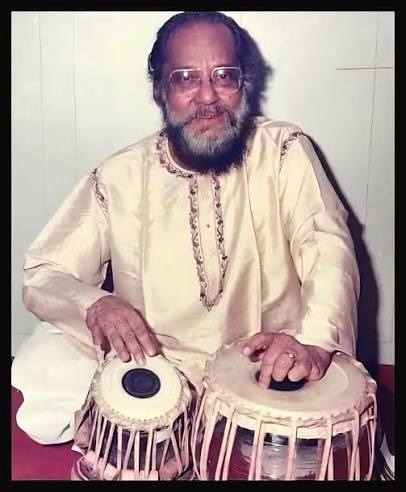
Pandit Nikhil Jyoti Ghosh (1918–1995) was a monumental figure in Indian classical music, renowned globally as a master tabla player, teacher, musicologist, and author. Celebrated for his profound command of multiple tabla gharanas (schools of style), he integrated traditional techniques with analytical precision. As the founder of Sangit Mahabharati in Mumbai, he dedicated his life to institutionalizing music education, ensuring that ancient oral traditions were preserved and systematically taught to future generations.
2. Quick Facts
- Full Name: Pandit Nikhil Jyoti Ghosh
- Native Name: নিখিল ঘোষ (Bengali)
- Date of Birth: December 28, 1918
- Place of Birth: Barisal, East Bengal, British India (now Bangladesh)
- Nationality: Indian
- Occupation/Profession: Classical Musician, Music Teacher, Author
- Field of Achievement: Hindustani Classical Percussion (Tabla)
- Years Active: 1930s – 1995
3. Award Information (Focus: Padma Bhushan)
- Award Name: Padma Bhushan
- Award Category: Civilian Award (Third-Highest Civilian Honour in India)
- Award Year: 1990
- Presented By: The Government of India
- Date of Ceremony: March/April 1990 (Rashtrapati Bhavan, New Delhi)
- Citation/Official Reason: In recognition of his distinguished service and exceptional contributions to the field of Hindustani classical music and arts.
- Previous Recipients (Contextual): Eminent artists, scientists, and public figures recognized for national excellence.
- Next Recipients: Succeeding batches of national civilian honorees.
4. Why He Received the Award
Pandit Nikhil Ghosh was conferred the Padma Bhushan due to his lifelong dedication to elevating the status of the tabla from a mere accompanying instrument to a powerful solo art form. His rare ability to synthesize styles from major gharanas (Delhi, Ajrada, Farrukhabad, Lucknow, and Punjab), combined with his relentless academic documentation of rhythm (tala) and his monumental contribution as an educator through Sangit Mahabharati, made him a priceless pillar of Indian cultural heritage.
5. Early Life
Born in Barisal (now in Bangladesh) into a culturally inclined family, Nikhil Ghosh was immersed in music from early childhood. His older brother was the legendary flutist Pandit Pannalal Ghosh, which meant their household was a constant hub for great classical musicians and intellectuals. This early exposure shaped his aesthetic sensibilities and deep-seated reverence for classical traditions.
6. Education
While receiving rigorous, traditional one-on-one training (guru-shishya parampara) in vocal music, sitar, and notably the tabla under maestros of various gharanas, Ghosh also pursued formal education. His unique blend of intuitive artistic training and intellectual curiosity later allowed him to approach Indian music theory with a rare academic rigor.
7. Career Journey
Ghosh’s career spanned decades of intensive solo performances, radio broadcasts, and lecture-demonstrations across India and international stages. Recognizing the gap in structured music pedagogy, he shifted a major part of his energy toward teaching and institution-building. In 1956, he established Sangit Mahabharati in Mumbai, creating a structured syllabus for instruments and vocals that bridged traditional purity with modern academic standards.
8. Major Achievements
- Synthesis of Styles: Mastered complex elements across five major tabla gharanas (Delhi, Ajrada, Farrukhabad, Lucknow, and Punjab).
- Literary Contributions: Authored authoritative books on Indian rhythm and raga systems, notably Fundamentals of Raga and Tala: With a New System of Notation.
- Institutional Legacy: Founded Sangit Mahabharati, turning it into a premier breeding ground for classical musicians.
9. Contribution to the Nation
Pandit Nikhil Ghosh played a fundamental role in safeguarding India’s intangible cultural heritage. By codifying rhythmic structures and establishing a robust framework for music instruction, he ensured that complex classical idioms would not fade away with oral traditions alone. He built a bridge between generations, inspiring deep national pride in Hindustani classical arts.
10. Other Awards and Honours
- Ustad Hafiz Ali Khan Award (1995): Honored for his lifelong excellence and devotion to Indian classical music.
- Fellowships and felicitations from premier cultural academies across India.
11. Legacy and Influence
Ghosh’s legacy lives on through his illustrious children and disciples, including his sons Nayan Ghosh (tabla and sitar maestro) and the late Dr. Dhruba Ghosh (eminent sarangi exponent), as well as daughter Tulika Ghosh. His pedagogical methods continue to influence percussionists globally.
12. Interesting Facts
- He was equally proficient in vocal music and instrumental melody before dedicating his core mastery to the tabla.
- His brother, Pannalal Ghosh, revolutionized the classical bamboo flute (bansuri), making the Ghosh household a legendary name in Hindustani music history.
- He possessed a rare archival mindset, meticulously writing down and mapping complex mathematical variations of traditional rhythmic compositions.
13. Quotes
“In rhythm lies the heartbeat of the universe; the tabla does not merely accompany sound, it gives structure to silence.” — Pandit Nikhil Ghosh
14. Timeline
- 1918: Born in Barisal, East Bengal.
- 1956: Founded Sangit Mahabharati in Mumbai.
- 1982: Published landmark works on raga and tala fundamentals.
- 1990: Awarded the Padma Bhushan by the Government of India.
- 1995: Received the Ustad Hafiz Ali Khan Award; passed away on March 3.
15. References
- Wikipedia contributors. Nikhil Ghosh. Wikipedia, The Free Encyclopedia.
- Oxford Encyclopaedia of the Music of India, Oxford University Press.
- Sangit Mahabharati Archives & Founder Profiles.
- Rajan Parrikar Music Archive – Nikhil Ghosh Profile.
16. Related Personalities
- Pandit Pannalal Ghosh (Brother and legendary flutist)
- Nayan Ghosh (Son and prominent sitar/tabla maestro)
- Dr. Dhruba Ghosh (Son and renowned sarangi virtuoso)
- Ahmed Jan Thirakwa (Legendary tabla maestro of the era)
17. Frequently Asked Questions (FAQ)
Q: What instrument was Pandit Nikhil Ghosh famous for playing?
A: He was globally renowned as a master of the tabla percussion instrument.
Q: Which gharanas of tabla did he practice?
A: His style was a unique synthesis of five major gharanas: Delhi, Ajrada, Farrukhabad, Lucknow, and Punjab.
Q: When did he receive the Padma Bhushan?
A: He was awarded the Padma Bhushan, India’s third-highest civilian honor, in 1990.
Q: What is Sangit Mahabharati?
A: It is a prestigious music institution founded by Pandit Nikhil Ghosh in Mumbai in 1956 to provide structured education in Hindustani classical music.
About the Author