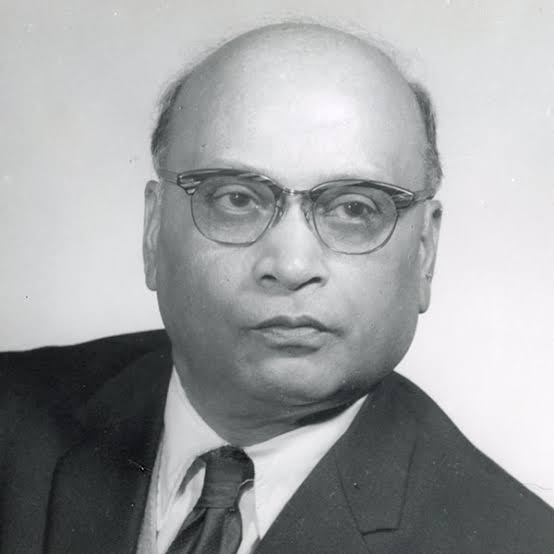
1. Introduction
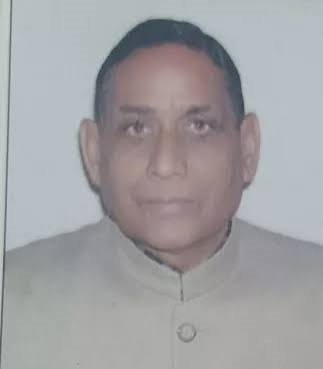
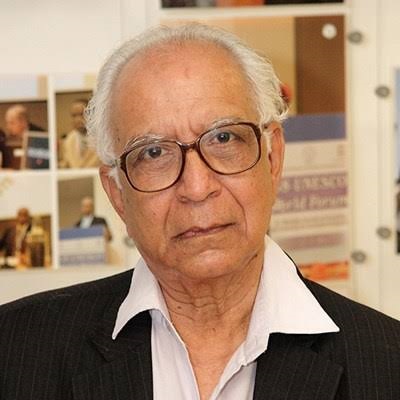
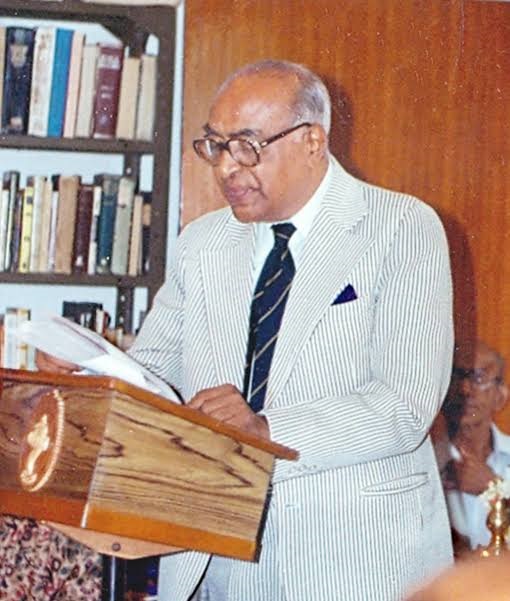
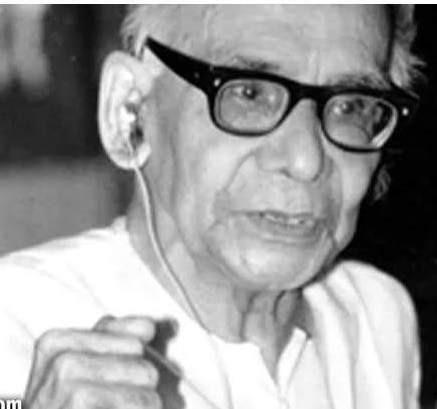
Poolla Tirupati Raju was a distinguished Indian philosopher, educator, and scholar who made significant contributions to the study of Indian philosophy, comparative religion, and East–West philosophical dialogue. Renowned for his writings on Vedanta, Hindu philosophy, and the works of Sarvepalli Radhakrishnan, he played an important role in introducing Indian philosophical thought to an international audience. In recognition of his scholarly contributions, he was awarded the Padma Bhushan, India’s third-highest civilian honour.
2. Quick Facts
| Particular | Details |
|---|---|
| Full Name | Poolla Tirupati Raju |
| Native Name | పూల్ల తిరుపతి రాజు (Telugu) |
| Date of Birth | 3 September 1904 |
| Place of Birth | Andhra Pradesh (then part of the Madras Presidency, British India; the exact village is not consistently documented in authoritative sources) |
| Date of Death | 8 December 1992 |
| Nationality | Indian |
| Occupation / Profession | Philosopher, Professor, Author, Academic |
| Field of Achievement | Indian Philosophy, Comparative Philosophy, Religious Studies |
| Years Active | c. 1930s–1992 |
| Known For | Scholarship on Indian philosophy and comparative thought |
3. Award Information
Award Name
Padma Bhushan
Award Category
Civilian Honour (Literature & Education)
Award Year
1968
Presented By
Government of India
Date of Ceremony
The Padma Awards are traditionally conferred at the Rashtrapati Bhavan. The exact ceremony date for his investiture in 1968 is not readily available in public records.
Citation / Official Reason
Awarded for his distinguished contributions to philosophy, higher education, and the promotion of Indian philosophical traditions at the international level.
Previous Recipients (Optional)
The Padma Bhushan is awarded to multiple recipients each year, so there is no officially designated “previous recipient.”
Next Recipients
Similarly, there is no officially designated “next recipient” because the award is conferred on several individuals annually.
4. Why Did He Receive the Award?
Poolla Tirupati Raju received the Padma Bhushan for his outstanding contributions to:
- Indian philosophy and metaphysics.
- Comparative studies of Eastern and Western philosophy.
- Research on Vedanta and Hindu philosophical traditions.
- Higher education and university teaching.
- Promoting Indian philosophical thought internationally through books, lectures, and academic research.
His scholarship helped bridge intellectual traditions between India and the West.
5. Early Life
Poolla Tirupati Raju was born on 3 September 1904 in present-day Andhra Pradesh during British rule. From an early age, he developed a keen interest in philosophy, literature, and classical Indian thought.
Growing up in an intellectually rich environment, he pursued higher education with a focus on philosophy, laying the foundation for a distinguished academic career.
6. Education
Although published biographical details are limited, reliable sources indicate that he:
- Completed higher education in philosophy.
- Specialized in Indian philosophical traditions and comparative philosophy.
- Pursued advanced academic research that led to a long university career.
- Became recognized internationally for his expertise in Indian philosophy.
7. Career Journey
Academic Career
- Began his career as a lecturer in philosophy.
- Taught Indian philosophy, ethics, and comparative religion.
- Held professorial positions at Indian universities.
International Academic Work
- Served as a visiting professor and lecturer at universities abroad, particularly in the United States.
- Delivered lectures on Indian philosophical traditions to international audiences.
Author and Scholar
He authored numerous books and research papers covering:
- Vedanta philosophy
- Hinduism
- Comparative philosophy
- Modern Indian philosophers
- Religion and ethics
His writings became valuable references for students and researchers worldwide.
8. Major Achievements
- Awarded the Padma Bhushan in 1968.
- Recognized internationally as a leading scholar of Indian philosophy.
- Promoted comparative studies between Eastern and Western philosophical traditions.
- Authored several influential books and academic papers.
- Contributed significantly to the global understanding of Hindu philosophy.
- Inspired generations of philosophy students and researchers.
9. Contribution to the Nation
Poolla Tirupati Raju made lasting contributions by:
- Advancing the academic study of Indian philosophy.
- Presenting India’s philosophical heritage to the international community.
- Encouraging dialogue between Eastern and Western intellectual traditions.
- Training future scholars through teaching and mentorship.
- Enhancing India’s reputation in philosophy and higher education.
10. Other Awards and Honours
The Padma Bhushan (1968) is the principal national honour publicly documented for Poolla Tirupati Raju.
In addition, he received:
- Academic recognition from universities in India and abroad.
- Invitations to deliver prestigious lectures.
- Recognition as one of India’s leading philosophers of the twentieth century.
No verified evidence indicates that he received the Padma Vibhushan or Bharat Ratna.
11. Legacy and Influence
Poolla Tirupati Raju’s work continues to influence:
- Scholars of Indian philosophy.
- Researchers in comparative religion.
- Students of Vedanta and Hindu thought.
- Academic discussions on East–West philosophical dialogue.
His books remain valuable resources in philosophy departments across universities.
12. Interesting Facts
- He dedicated most of his life to philosophy and education.
- His work helped introduce Indian philosophical traditions to Western academia.
- He wrote extensively on Vedanta and comparative philosophy.
- His scholarship emphasized dialogue between different philosophical traditions rather than conflict.
- He was regarded as one of the foremost interpreters of modern Indian philosophy.
13. Quotes
No widely accepted, authenticated quotations are consistently attributed to Poolla Tirupati Raju in authoritative published sources.
For scholarly writing, it is preferable to quote directly from his published books and essays rather than use unattributed quotations.
14. Timeline
| Year | Event |
|---|---|
| 1904 | Born on 3 September in present-day Andhra Pradesh |
| 1930s | Began academic career in philosophy |
| 1940s–1960s | Published important philosophical works |
| 1968 | Received the Padma Bhushan |
| 1960s–1980s | Delivered lectures and taught internationally |
| 1992 | Passed away on 8 December |
15. References
For your blog, use these reliable sources:
- Padma Awards Portal, Government of India
- Sahapedia
- Internet Archive (for some of his published works)
- WorldCat (bibliographic records of his books)
- Books and journal articles on modern Indian philosophy and comparative philosophy.
16. Related Personalities
- Sarvepalli Radhakrishnan
- T. M. P. Mahadevan
- Daya Krishna
- Jiddu Krishnamurti
- K. C. Bhattacharyya
17. Frequently Asked Questions (FAQ)
1. Who was Poolla Tirupati Raju?
Poolla Tirupati Raju was an Indian philosopher, professor, author, and internationally recognized scholar of Indian philosophy and comparative religion.
2. When was Poolla Tirupati Raju born?
He was born on 3 September 1904.
3. What is Poolla Tirupati Raju famous for?
He is known for his contributions to Indian philosophy, Vedanta, comparative philosophy, and the promotion of Indian intellectual traditions worldwide.
4. Which national award did Poolla Tirupati Raju receive?
He received the Padma Bhushan in 1968 for his contributions to Literature and Education.
5. What subjects did he specialize in?
His areas of expertise included Indian philosophy, Vedanta, comparative philosophy, ethics, and religious studies.
6. Did he teach outside India?
Yes. He served as a visiting professor and delivered lectures at universities abroad, especially in the United States, helping to popularize Indian philosophy internationally.
7. What are his major contributions?
His major contributions include scholarly research, influential books on Indian philosophy, teaching, and fostering dialogue between Eastern and Western philosophical traditions.
8. Why is Poolla Tirupati Raju important?
He is regarded as one of the twentieth century’s leading interpreters of Indian philosophy, whose work significantly advanced the global understanding of India’s philosophical heritage.
About the Author