1. Introduction
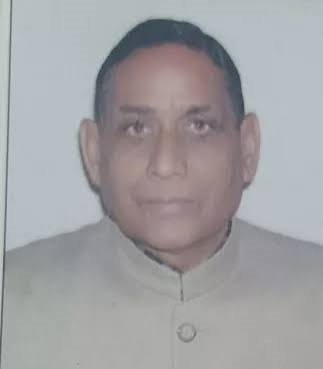
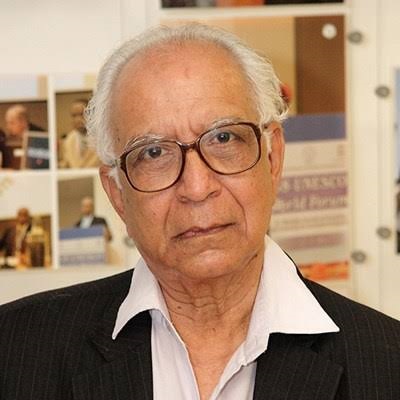
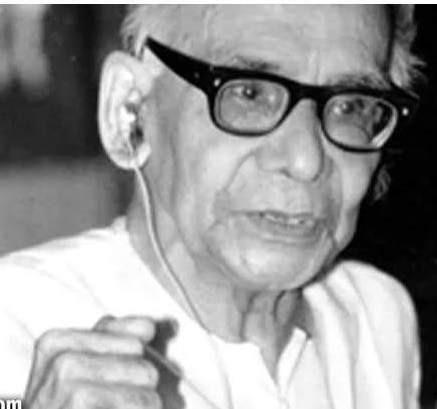
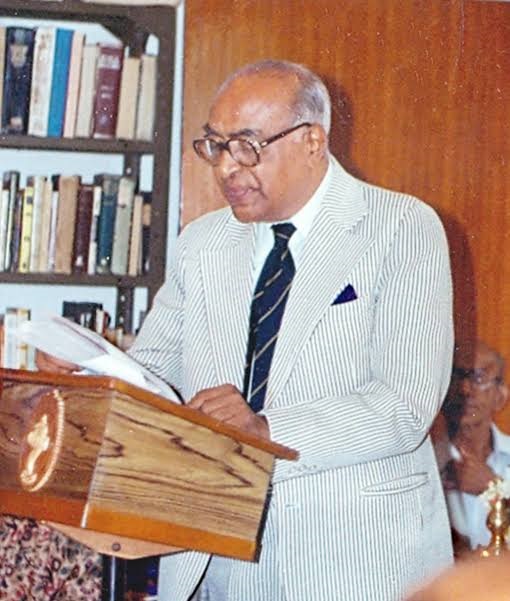
In the landscape of Indian literary criticism, few names command as much reverence and intellectual authority as Closepet Dasappa Narasimhaiah, universally known as C. D. Narasimhaiah (CDN). A brilliant academic, pioneering educator, and the principal of Maharaja’s College, Mysore, CDN single-handedly carved out a respected space for Indian Writing in English on global academic platforms. Founder of the iconic journal The Literary Half-Yearly and the literary center Dhvanyaloka, he bridged Eastern and Western literary traditions with unmatched fervor, shaping generations of writers, poets, and thinkers.
2. Quick Facts
- Full Name: Closepet Dasappa Narasimhaiah
- Native Name: ಸಿ. ಡಿ. ನರಸಿಂಹಯ್ಯ
- Date of Birth: 21 May 1921
- Place of Birth: Closepet (Ramanagara), Kingdom of Mysore, British India
- Nationality: Indian
- Occupation/Profession: Writer, Literary Critic, Academic, Principal
- Field of Achievement: English Literature, Literary Criticism, Commonwealth Literature, and Education
- Years Active: 1950–2005
3. Award Information (Focus: Padma Bhushan)
- Award Name: Padma Bhushan
- Award Category: Third-highest civilian award in India
- Award Year: 1990
- Presented By: The President of India
- Date of Ceremony: Rashtrapati Bhavan, New Delhi
- Citation/Official Reason: In recognition of his exceptional and distinguished service to literature, education, and his pioneering work in establishing Indian English literature as a serious academic discipline globally.
- Previous Recipients (Notable): Distinguished scholars, artists, scientists, and public servants.
- Next Recipients: Succeeding batches of national civilian honorees.
4. Why They Received the Award
C. D. Narasimhaiah received the Padma Bhushan in 1990 for his lifetime devotion to letters and his revolutionary impact on literary criticism. At a time when Indian writing in English was frequently dismissed by traditional purists as derivative, CDN passionately argued for its distinct cultural identity through groundbreaking works like The Swan and the Eagle. His founding of Dhvanyaloka (a center for Commonwealth studies) and his global advocacy for cross-cultural literature cemented his status as a national cultural icon.
5. Early Life
Born in 1921 in Closepet (present-day Ramanagara in Karnataka) during the British Raj, Narasimhaiah grew up deeply influenced by the cultural and intellectual vibrancy of the princely state of Mysore. Gifted with an inquisitive mind and a deep love for language, he navigated modest beginnings to emerge as a stellar student, displaying an early flair for both Kannada and English literature.
6. Education
- Undergraduate & Postgraduate Studies: Studied at the University of Mysore, earning top honors in English literature.
- Princeton University: Pursued advanced higher studies at Princeton University, USA, interacting with leading Western literary theorists and expanding his global outlook.
- Cambridge Influence: Deeply influenced by the critical methodologies of F. R. Leavis, which he later creatively adapted to evaluate Indian and Commonwealth texts.
7. Career Journey
- Academic Ascent: Began his teaching career in the mid-20th century, inspiring students with his passionate, dramatic, and rigorous classroom style.
- Principal of Maharaja’s College, Mysore: Served as the legendary principal of Maharaja’s College, transforming it into a vibrant hub of liberal arts and intellectual freedom.
- Professor of English: Served as Professor and Head of the Department of English at Manasagangothri, University of Mysore.
- Founder of The Literary Half-Yearly (1960): Launched the internationally acclaimed biannual journal to provide a voice to Commonwealth and Indian writers.
- Founder of Dhvanyaloka (1979): Established the “Dhvanyaloka” Centre for Indian Studies in Mysore as an international retreat for comparative literature and cultural dialogue.
8. Major Achievements
- The Swan and the Eagle (1969/1987): Authored this seminal book of literary criticism, evaluating major Indian English novelists like Raja Rao, R. K. Narayan, and Mulk Raj Anand against global literary standards.
- Bridging Commonwealth Literature: Served as the First Chairperson of the Indian Association for Commonwealth Literature and Language Studies (IACLALS) from 1974 to 1993.
- Abbreviating Nehru: Edited an abridged and widely read version of Jawaharlal Nehru’s classic The Discovery of India under the title Rediscovery of India.
9. Contribution to the Nation
C. D. Narasimhaiah liberated Indian English literature from the shadows of colonial validation. By proving that Indian literature written in English possessed its own distinct cultural matrix, soul, and aesthetic standard (“Indian sensibility”), he enriched the global academic curriculum. Through Dhvanyaloka and his extensive global lectures, he placed Mysore firmly on the international literary map, drawing poets, scholars, and critics from every continent.
10. Other Awards and Honours
- Padma Bhushan (1990): Conferred by the Government of India for contributions to literature.
- Rajyotsava Prashasti: Honored by the Government of Karnataka for exceptional cultural and literary service.
- Global Visiting Professorships: Served as a visiting professor/fellow at prestigious institutions across the US, Australia, and Europe.
11. Legacy and Influence
Prof. C. D. Narasimhaiah is remembered as a crusader for critical integrity. He detested academic pretense and jargon, demanding that literature remain deeply connected to human values and societal realities. His autobiography, N for Nobody: Autobiography of an English Teacher (1991), remains a classic text reflecting the joys, struggles, and triumphs of an educator devoted entirely to his craft.
12. Interesting Facts
- The Title of his Autobiography: His memoir is intriguingly titled N for Nobody, reflecting his lifelong humility despite occupying towering academic heights.
- Dhvanyaloka’s Meaning: He named his research center Dhvanyaloka (borrowed from Sanskrit poetics, meaning “abode of suggestion/resonance”), blending ancient Indian aesthetic theory with modern global criticism.
- A Centenarian Legacy: Though he passed away in 2005 at the age of 83, his scholarly impact continues to guide modern departments of comparative and Commonwealth literature worldwide.
13. Quotes
“Literature is not merely a matter of words on a page, but a spiritual awakening that tests our capacity for compassion, understanding, and self-scrutiny.” — Reflecting on the true purpose of literary study.
14. Timeline
- May 21, 1921: Born in Closepet, Kingdom of Mysore
- 1940s–1950s: Completes education at Mysore and Princeton; begins teaching
- 1960: Founds the international journal The Literary Half-Yearly
- 1969: Publishes his masterwork of criticism, The Swan and the Eagle
- 1974: Becomes the founding Chairperson of IACLALS
- 1979: Establishes Dhvanyaloka in Mysore
- 1990: Awarded the Padma Bhushan by the President of India
- 1991: Publishes his autobiography, N for Nobody
- April 12, 2005: Passes away in Bangalore at the age of 83
15. References
- Wikipedia – C. D. Narasimhaiah Biographical Overview.
- IACLALS Official Archives – Our Forerunners.
- Sahitya Akademi – C.D. Narasimhaiah: A Centenary Tribute.
- The Literary Half-Yearly – Historical Journal Archives, University of Mysore.
16. Related Personalities
- Raja Rao: Renowned Indian English novelist whose works were championed extensively by C. D. Narasimhaiah.
- F. R. Leavis: British literary critic whose rigorous critical standards heavily influenced CDN’s teaching philosophy.
- Jawaharlal Nehru: Prime Minister whose historical writings were edited and popularized by Narasimhaiah.
17. Frequently Asked Questions (FAQ)
Q1: Who was C. D. Narasimhaiah?
A: Closepet Dasappa Narasimhaiah (C. D. Narasimhaiah) was an eminent Indian writer, literary critic, and the principal of Maharaja’s College, Mysore, best known for establishing Indian English literature as a serious global academic field.
Q2: What is Dhvanyaloka?
A: Dhvanyaloka is a premier center for Indian and Commonwealth studies founded by C. D. Narasimhaiah in Mysore in 1979, serving as a global retreat for literary scholars and writers.
Q3: What are some of his most famous works?
A: His notable works include The Swan and the Eagle, The Enactment of Indian English Literature, and his autobiography N for Nobody: Autobiography of an English Teacher.
About the Author