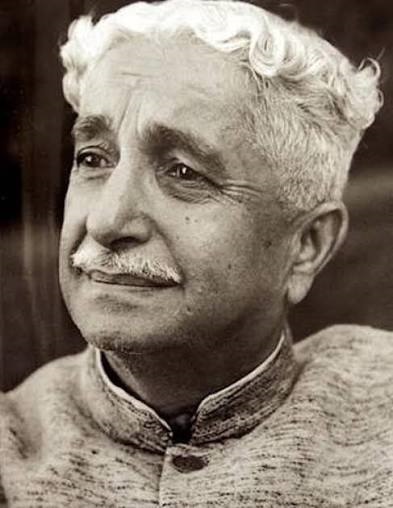
1. Introduction
Kuppalli Venkatappa Puttappa, popularly known by his pen name Kuvempu, was one of the greatest literary figures in Kannada literature. A celebrated poet, novelist, playwright, essayist, and educationist, he is regarded as the Rashtrakavi (National Poet) of Karnataka. Kuvempu’s writings promoted humanism, social equality, and universal brotherhood. His epic Sri Ramayana Darshanam earned him the prestigious Jnanpith Award, making him the first Kannada writer to receive India’s highest literary honour.
2. Quick Facts
| Particular | Details |
|---|---|
| Full Name | Kuppalli Venkatappa Puttappa |
| Pen Name | Kuvempu |
| Native Name | ಕುಪ್ಪಳ್ಳಿ ವೆಂಕಟಪ್ಪ ಪುಟ್ಟಪ್ಪ |
| Date of Birth | 29 December 1904 |
| Place of Birth | Kuppalli |
| Date of Death | 11 November 1994 |
| Place of Death | Mysuru |
| Nationality | Indian |
| Profession | Poet, Novelist, Playwright, Educationist |
| Field of Achievement | Kannada Literature |
| Years Active | 1920s–1994 |
| Known For | Sri Ramayana Darshanam, “Jaya Bharata Jananiya Tanujate” |
3. Award Information
Award Name
Jnanpith Award
Award Category
Indian Literary Award
Award Year
1967
Presented By
Bharatiya Jnanpith
Date of Ceremony
The award was conferred in 1968 for the 1967 Jnanpith Award.
Citation / Official Reason
Awarded for his monumental Kannada epic Sri Ramayana Darshanam, recognized as a landmark contribution to modern Indian literature.
Previous Recipient
Umashankar Joshi (1967, shared year)
Next Recipient
Sumitranandan Pant (1968)
4. Why Did He Receive the Award?
Kuvempu received the Jnanpith Award for his masterpiece Sri Ramayana Darshanam, a modern retelling of the Ramayana in Kannada. The work reinterprets the ancient epic through a humanistic and philosophical lens, emphasizing universal values, compassion, and spiritual growth. It is considered one of the finest works of modern Kannada literature.
5. Early Life
Kuvempu was born on 29 December 1904 in the village of Kuppalli in present-day Karnataka. Raised amidst the scenic Western Ghats, nature had a profound influence on his poetry and worldview. His rural upbringing shaped his appreciation for Kannada language, folklore, and culture.
6. Education
- Primary education in Tirthahalli.
- Higher education at Maharaja’s College, Mysore.
- Graduated from University of Mysore with a degree in Kannada and English literature.
7. Career Journey
Lecturer
- Began his career as a lecturer at Maharaja’s College.
Professor
- Became a respected professor of Kannada literature.
Vice-Chancellor
- Served as the Vice-Chancellor of the University of Mysore (1956–1960).
- Introduced significant educational reforms and promoted Kannada as a medium of higher education.
Literary Career
Over six decades, he authored:
- Poetry
- Novels
- Plays
- Essays
- Children’s literature
- Literary criticism
8. Major Achievements
- First Kannada writer to receive the Jnanpith Award.
- Authored the epic Sri Ramayana Darshanam.
- Wrote Karnataka’s state anthem, “Jaya Bharata Jananiya Tanujate.”
- Served as Vice-Chancellor of the University of Mysore.
- Popularized the philosophy of Vishwa Manava (Universal Humanism).
- Produced more than 60 literary works across multiple genres.
9. Contribution to the Nation
Kuvempu’s contributions include:
- Enriched Kannada literature with timeless works.
- Promoted humanism beyond caste and religion.
- Advocated education in regional languages.
- Inspired generations of writers and students.
- Strengthened India’s literary and cultural heritage.
- Encouraged social reform through literature.
10. Other Awards and Honours
- Jnanpith Award (1967)
- Padma Bhushan (1958)
- Padma Vibhushan (1988)
- Rashtrakavi (National Poet of Karnataka)
- Honorary doctorates from several universities.
11. Legacy and Influence
Kuvempu remains one of the greatest icons of Kannada literature. His philosophy of Vishwa Manava (Universal Humanism) continues to inspire scholars, writers, and social reformers. His works are widely taught in schools and universities, and his residence, Kavishaila, has become a memorial visited by literature enthusiasts.
12. Interesting Facts
- “Kuvempu” is formed from the initials of his full name.
- He was the first Kannada author to receive the Jnanpith Award.
- Karnataka’s state anthem was written by him.
- He believed literature should unite humanity beyond divisions of caste, religion, and nationality.
- His home at Kuppalli is now a museum and memorial.
13. Quotes
Some of Kuvempu’s most celebrated thoughts include:
“Vishwa Manava” (Universal Human) is the highest ideal of humanity.
“Education should liberate the human mind.”
His writings consistently emphasized equality, compassion, and harmony among all people.
14. Timeline
| Year | Event |
|---|---|
| 1904 | Born in Kuppalli, Karnataka |
| 1929 | Began teaching career |
| 1930s–1950s | Published major literary works |
| 1956–1960 | Vice-Chancellor, University of Mysore |
| 1958 | Awarded Padma Bhushan |
| 1967 | Received Jnanpith Award |
| 1988 | Awarded Padma Vibhushan |
| 1994 | Passed away in Mysuru |
15. References
For reliable information, consult:
- Bharatiya Jnanpith
- University of Mysore
- Sahitya Akademi
- Encyclopaedia Britannica
- Kuvempu’s collected works and biographies.
16. Related Personalities
- D. R. Bendre
- Masti Venkatesha Iyengar
- U. R. Ananthamurthy
- Shivaram Karanth
- B. M. Srikantaiah
17. Frequently Asked Questions (FAQ)
1. Who was Kuvempu?
Kuvempu was a renowned Kannada poet, novelist, playwright, and educationist, widely regarded as Karnataka’s National Poet.
2. What was Kuvempu’s real name?
His real name was Kuppalli Venkatappa Puttappa.
3. Why did Kuvempu receive the Jnanpith Award?
He received the 1967 Jnanpith Award for his epic Sri Ramayana Darshanam, considered a masterpiece of modern Kannada literature.
4. What is Kuvempu’s most famous work?
His best-known works include Sri Ramayana Darshanam and the Karnataka state anthem “Jaya Bharata Jananiya Tanujate.”
5. What is “Vishwa Manava”?
“Vishwa Manava” (Universal Humanism) is Kuvempu’s philosophy that emphasizes equality, compassion, and the unity of all humanity.
6. What civilian honours did Kuvempu receive?
He received the Padma Bhushan (1958) and Padma Vibhushan (1988), in addition to the Jnanpith Award (1967).
7. What role did he play in education?
Kuvempu served as the Vice-Chancellor of the University of Mysore and advocated for higher education in regional languages.
8. Why is Kuvempu important in Indian literature?
He transformed Kannada literature through his poetry, novels, and philosophy of universal humanism, leaving a lasting influence on Indian literary and cultural thought.
About the Author