Introduction
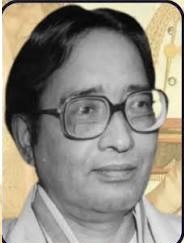
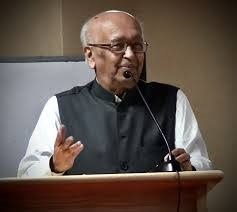
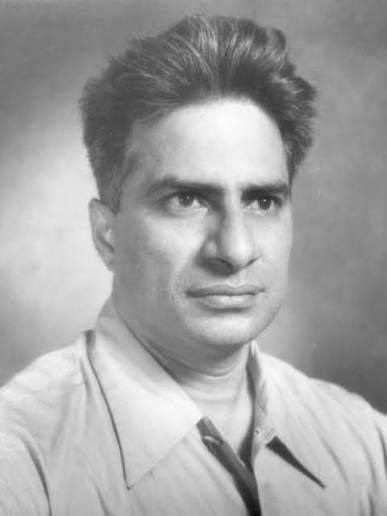
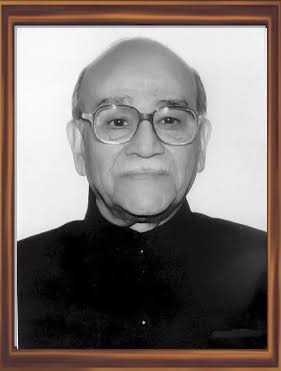
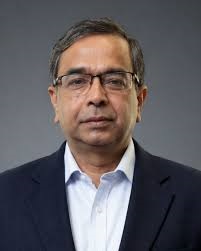
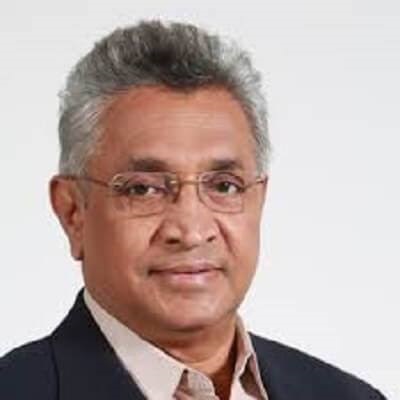
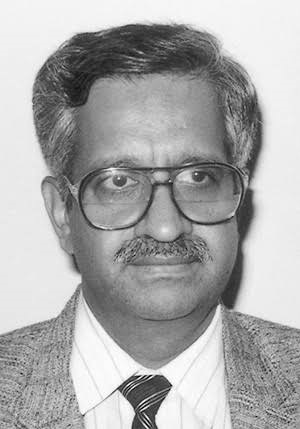
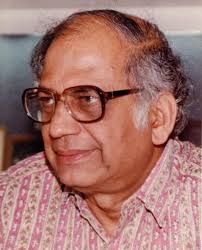
Dr. Pushpa Mittra (P. M.) Bhargava (1928–2017) was one of India’s most distinguished molecular biologists, biochemists, and science administrators. Widely regarded as a pioneer of molecular biology in India, he played a crucial role in establishing modern biological research in the country. He is best known as the founding Director of the Centre for Cellular and Molecular Biology (CCMB) in Hyderabad, one of India’s premier life science research institutions. In addition to his scientific contributions, Bhargava was a passionate advocate for scientific temper, rational thinking, science education, and ethical research, making him one of the most influential Indian scientists of the twentieth century.
Early Life and Education
P. M. Bhargava was born on February 22, 1928, in Ajmer, Rajasthan, India. A gifted student from an early age, he developed a keen interest in chemistry and biology.
He completed much of his education at Lucknow University, where he earned:
- Bachelor of Science (B.Sc.)
- Master of Science (M.Sc.) in Organic Chemistry
- Doctor of Science (D.Sc.)
Remarkably, he completed his doctoral studies at a young age and began his scientific career soon afterward. His interdisciplinary training in chemistry and biology enabled him to make significant contributions to molecular biology and biotechnology.
Scientific Career & Research
Dr. Bhargava began his research career at the Central Laboratories for Scientific and Industrial Research (CSIR) in Hyderabad. He later worked at several prestigious institutions around the world, collaborating with leading scientists in molecular biology, genetics, and biochemistry.
In 1977, he became the founding Director of the Centre for Cellular and Molecular Biology (CCMB) in Hyderabad. Under his leadership, CCMB developed into one of India’s foremost research centers for life sciences.
His research interests included:
- Molecular biology
- Cell biology
- Biochemistry
- Reproductive biology
- Biotechnology
- Genetic engineering
- Developmental biology
- Science policy
Throughout his career, Bhargava published hundreds of scientific papers and mentored numerous young researchers who later became prominent scientists.
Major Discoveries and Contributions
1. Pioneer of Molecular Biology in India
Dr. Bhargava played a key role in introducing and developing molecular biology as a major scientific discipline in India.
His work helped establish modern laboratories, research programs, and educational initiatives that significantly advanced biological sciences in the country.
2. Founding the Centre for Cellular and Molecular Biology (CCMB)
One of Bhargava’s greatest achievements was founding the Centre for Cellular and Molecular Biology (CCMB) in Hyderabad.
Under his leadership, CCMB became internationally recognized for research in:
- Genetics
- Molecular biology
- Genomics
- Cell biology
- Biotechnology
- Conservation biology
The institute continues to be one of India’s leading centers for biological research.
3. Contributions to Reproductive Biology
Bhargava conducted important research on reproductive biology, including studies on fertilization, embryo development, and reproductive health.
His work contributed to a better understanding of developmental processes and reproductive medicine.
4. Promotion of Biotechnology
Dr. Bhargava was among the earliest scientists to promote biotechnology in India.
He encouraged research in:
- Recombinant DNA technology
- Genetic engineering
- Industrial biotechnology
- Medical biotechnology
His efforts helped shape India’s biotechnology research and policy framework.
5. Science Policy and Ethical Research
Beyond laboratory research, Bhargava made significant contributions to science policy.
He advocated for:
- Ethical scientific research
- Responsible use of biotechnology
- Evidence-based policymaking
- Public understanding of science
- Scientific temper as a constitutional value
He actively participated in national debates on genetically modified (GM) crops, bioethics, and environmental conservation.
6. Science Communication
Dr. Bhargava believed that science should benefit society.
He worked tirelessly to:
- Popularize science among the public.
- Improve science education.
- Encourage critical thinking.
- Combat superstition and pseudoscience.
- Promote rational inquiry and evidence-based decision-making.
Awards and Honours
P. M. Bhargava received numerous prestigious awards and recognitions during his distinguished career, including:
- Padma Bhushan (1986), India’s third-highest civilian award.
- Founder Director of the Centre for Cellular and Molecular Biology (CCMB).
- Fellow of the Indian National Science Academy (INSA).
- Fellow of the Indian Academy of Sciences (IASc).
- Fellow of several international scientific organizations.
- Numerous honorary doctorates and lifetime achievement awards for scientific research and science communication.
In 2015, Bhargava returned his Padma Bhushan as a public expression of concern over issues affecting scientific temper and freedom of expression in India.
Later Life and Death
Following his retirement from CCMB, Dr. Bhargava remained active as a scientist, writer, policy advisor, and public intellectual.
He continued publishing articles, delivering lectures, and advocating for scientific thinking, education, and research ethics until the end of his life.
Dr. P. M. Bhargava passed away on August 1, 2017, in Hyderabad, Telangana, at the age of 89.
His passing was widely mourned by the scientific community in India and abroad.
Legacy and Impact
P. M. Bhargava’s contributions transformed modern biological research in India.
His enduring legacy includes:
- Establishing molecular biology as a major scientific discipline in India.
- Founding the internationally renowned Centre for Cellular and Molecular Biology (CCMB).
- Advancing research in genetics, biotechnology, and cell biology.
- Influencing India’s biotechnology and science policies.
- Promoting ethical scientific research and responsible innovation.
- Inspiring generations of life scientists and science educators.
- Championing scientific temper, rational thinking, and public engagement with science.
His vision continues to shape India’s progress in biomedical research, biotechnology, and science education.
Conclusion
Dr. P. M. Bhargava was one of India’s foremost molecular biologists and an architect of modern biological research in the country. Through his pioneering scientific work, visionary leadership in establishing the Centre for Cellular and Molecular Biology, and unwavering commitment to scientific temper and ethical research, he left an indelible mark on Indian science. His legacy continues to inspire researchers, educators, and policymakers, ensuring that his contributions to molecular biology and public understanding of science endure for generations to come.
About the Author