Introduction
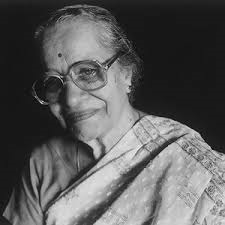
Dr. Kamal Jayasing Ranadive (1917–2001) was a pioneering Indian biomedical scientist, cell biologist, and cancer researcher whose work significantly advanced the understanding of cancer biology, tissue culture, genetics, and virology. She is best known for her research on the relationship between viruses and cancer, the development of cell culture techniques in India, and her efforts to promote cancer research and women’s participation in science. As the founder of the Indian Women Scientists’ Association (IWSA), Dr. Ranadive not only made remarkable scientific contributions but also championed education and career opportunities for women in scientific research.
Early Life and Education
Kamal Jayasing Ranadive was born on November 8, 1917, in Pune, Maharashtra, into a family that strongly encouraged education. Her father, Dinkar Dandekar, was a biologist who inspired her interest in science from an early age.
She completed her schooling in Pune and earned a Bachelor of Science (B.Sc.) degree from Fergusson College, Pune. She later obtained a Master’s degree in Botany from Agricultural College, Pune.
Driven by her passion for biological research, Ranadive joined the Tata Memorial Centre (Tata Memorial Hospital) in Mumbai, where she pursued research in cancer biology. She earned her Ph.D. from the University of Bombay (now the University of Mumbai) and later received advanced training in cell biology and tissue culture at the Johns Hopkins University School of Medicine, USA.
Scientific Career & Research
Dr. Ranadive spent most of her scientific career at the Indian Cancer Research Centre (ICRC) in Mumbai, now known as the Cancer Research Institute, where she established one of India’s earliest laboratories dedicated to cell biology and tissue culture.
Her major research areas included:
- Cancer biology
- Cell biology
- Tissue culture
- Experimental pathology
- Virology
- Genetics
- Breast cancer research
- Hereditary cancers
She introduced modern laboratory techniques that enabled scientists to grow and study cells outside the human body, significantly advancing biomedical research in India.
Dr. Ranadive also trained numerous young researchers, helping establish India as a center for cancer research.
Major Discoveries and Contributions
1. Research on Viruses and Cancer
One of Dr. Ranadive’s most important contributions was investigating the role of viruses in the development of cancer.
Her studies on cancer-causing viruses helped improve scientific understanding of how certain infections may contribute to tumor formation, laying the groundwork for future cancer research.
2. Pioneer of Tissue Culture in India
Dr. Ranadive established advanced tissue culture laboratories, allowing researchers to grow and study living cells under controlled laboratory conditions.
These techniques became essential for:
- Cancer research
- Drug testing
- Vaccine development
- Cell biology
- Genetic research
3. Breast Cancer Research
She conducted pioneering investigations into breast cancer, particularly focusing on its genetic and hereditary aspects.
Her research improved understanding of factors influencing breast cancer development and contributed to advances in cancer diagnosis and prevention.
4. Cancer Genetics
Dr. Ranadive explored the relationship between genetics and cancer, studying inherited susceptibility to certain cancers.
Her work highlighted the importance of family history and genetic factors in cancer risk, influencing later developments in cancer genetics and personalized medicine.
5. Promotion of Scientific Research in India
Beyond her laboratory research, Dr. Ranadive played a crucial role in strengthening biomedical research infrastructure in India.
She established modern laboratories, trained young scientists, and promoted interdisciplinary collaboration among medical researchers, biologists, and clinicians.
6. Founder of the Indian Women Scientists’ Association (IWSA)
In 1973, Dr. Ranadive co-founded the Indian Women Scientists’ Association (IWSA).
The organization supports women scientists by providing:
- Professional networking
- Research opportunities
- Educational programs
- Career guidance
- Childcare and family support for working women
The IWSA continues to empower women in science across India.
Awards and Honours
Dr. Kamal Ranadive received numerous awards and recognitions for her outstanding scientific contributions, including:
- Padma Bhushan (1982), India’s third-highest civilian award.
- Medical Woman’s International Association Award.
- Fellow of several Indian scientific academies.
- Leadership positions in national and international cancer research organizations.
- Numerous lifetime achievement awards for biomedical research and women’s empowerment.
In recognition of her legacy, the Government of India has also honored her through initiatives celebrating women in science.
Later Life and Death
After retiring from active research, Dr. Ranadive continued mentoring young scientists and remained actively involved with the Indian Women Scientists’ Association and cancer awareness programs.
She dedicated her later years to promoting scientific education, public health, and opportunities for women in research.
Dr. Kamal Ranadive passed away on April 11, 2001, in Pune, Maharashtra, at the age of 83.
Her contributions continue to inspire biomedical researchers and women scientists around the world.
Legacy and Impact
Dr. Kamal Ranadive’s pioneering work has had a lasting impact on biomedical science and cancer research in India.
Her enduring legacy includes:
- Establishing modern cell biology and tissue culture research in India.
- Advancing knowledge of viruses and cancer.
- Contributing to breast cancer and cancer genetics research.
- Training generations of biomedical scientists.
- Strengthening India’s cancer research infrastructure.
- Co-founding the Indian Women Scientists’ Association to support women in science.
- Inspiring future generations of researchers through her commitment to scientific excellence and social progress.
Her work continues to influence oncology, molecular biology, genetics, and public health.
Conclusion
Dr. Kamal Ranadive was one of India’s foremost cell biologists and cancer researchers, whose pioneering work advanced the understanding of cancer, tissue culture, and genetics. Beyond her scientific achievements, she was a passionate advocate for women in science and played a key role in building India’s biomedical research ecosystem. Her groundbreaking discoveries, dedication to mentoring young scientists, and efforts to promote gender equality have left a lasting legacy that continues to shape medical research and inspire future generations.
About the Author