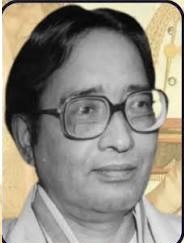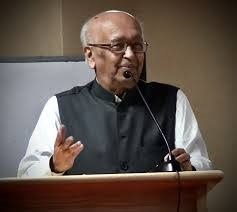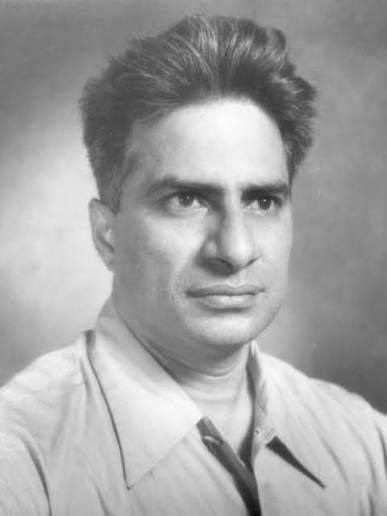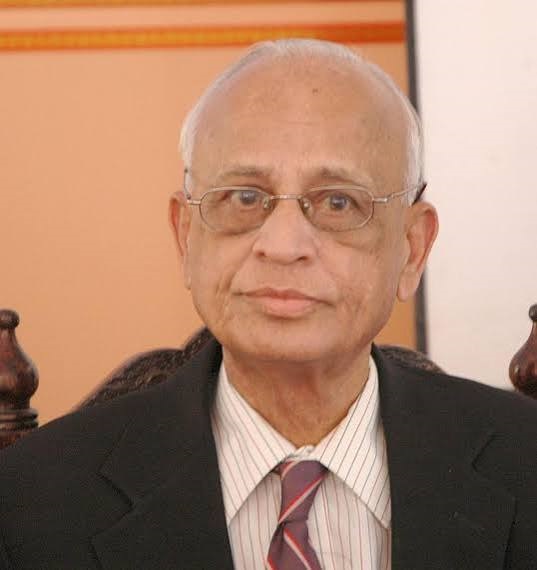
P. K. Iyengar was one of India’s most respected nuclear scientists, known for his key role in shaping India’s nuclear energy and research programs. His work significantly contributed to India’s self-reliance in nuclear science and reactor technology.
Introduction
P. K. Iyengar was a prominent Indian nuclear physicist who played a crucial role in the development of India’s nuclear research infrastructure. He served as the Chairman of the Atomic Energy Commission of India and was closely associated with India’s nuclear power and research reactor programs.
Early Life and Education
- Born in 1931 in India.
- Developed a strong interest in physics and mathematics during his early education.
- Completed his higher studies in physics, specializing in nuclear physics.
- Trained under leading scientists during the formative years of India’s atomic energy program.
Scientific Career & Research
- Joined India’s atomic energy establishment during its early development phase.
- Worked extensively at the Bhabha Atomic Research Centre (BARC).
- Contributed to research in reactor physics, neutron behavior, and nuclear fuel cycles.
- Played a leadership role in designing and operating research reactors in India.
- Later became Chairman of the Atomic Energy Commission of India, guiding national nuclear policy and research direction.
Major Discoveries and Contributions
- Advanced India’s research reactor technology.
- Strengthened indigenous capabilities in nuclear fuel design and reactor safety.
- Supported development of fast breeder reactor concepts in India.
- Contributed to India’s nuclear energy self-sufficiency program.
- Helped bridge scientific research with national energy needs.
Awards and Honours
- Recognized by several scientific institutions in India.
- Fellow of prestigious science academies.
- Honored for his leadership in nuclear science and technology development.
- Received awards for contributions to atomic energy research and national development.
Later Life and Death
- Continued to be active in scientific advisory roles after retirement.
- Engaged in policy discussions related to nuclear energy and safety.
- Passed away in 2011, leaving behind a strong legacy in Indian nuclear science.
Legacy and Impact
- Remembered as one of the key architects of India’s nuclear research program.
- His leadership helped India develop indigenous nuclear reactor technology.
- Inspired generations of nuclear scientists and engineers.
- His contributions continue to influence India’s energy security and nuclear policy.
About the Author