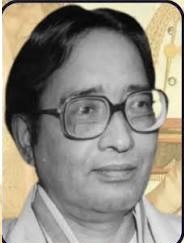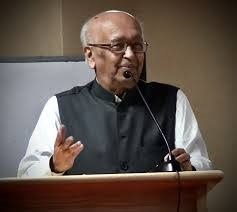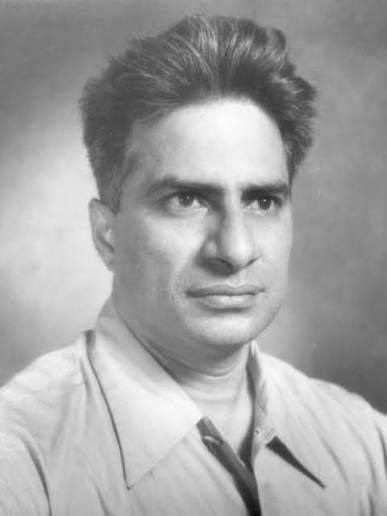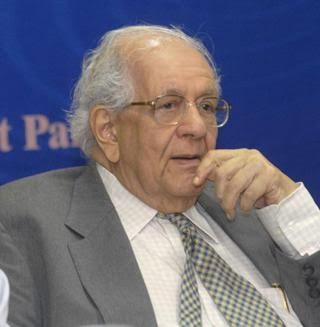
Homi Sethna was a pioneering Indian nuclear engineer and chemical technologist who played a crucial role in building India’s nuclear fuel cycle capability and leading its historic nuclear program during a decisive phase.
Introduction
Homi Nusserwanji Sethna was one of India’s most influential nuclear engineers. He is best known for his leadership in India’s nuclear energy program and for overseeing the nation’s first successful nuclear test in 1974. As Chairman of the Atomic Energy Commission of India, he strengthened India’s position in nuclear science and engineering.
Early Life and Education
- Born on 24 August 1923 in Mumbai, India.
- Completed his chemical engineering education at the University of Michigan, USA.
- Specialized in chemical technology and industrial processes.
- Returned to India with strong technical expertise to contribute to national development.
Scientific Career & Research
- Joined India’s Department of Atomic Energy in its early phase.
- Worked at the Bhabha Atomic Research Centre (BARC).
- Played a key role in developing India’s nuclear fuel reprocessing technology.
- Became Chairman of the Atomic Energy Commission of India in 1978.
- Oversaw expansion of India’s nuclear power and research infrastructure.
Major Discoveries and Contributions
- Led development of nuclear fuel reprocessing technology in India.
- Strengthened India’s capability in plutonium extraction and reactor fuel management.
- Played a major role in the success of India’s 1974 Pokhran-I nuclear test (Smiling Buddha).
- Advanced India’s self-reliance in nuclear engineering and fuel cycle management.
- Improved chemical engineering processes used in nuclear reactors.
Awards and Honours
- Awarded the Padma Vibhushan (one of India’s highest civilian honors).
- Recognized internationally for contributions to nuclear engineering.
- Honored by Indian scientific institutions for leadership in atomic energy development.
- Celebrated as a key figure in India’s strategic science program.
Later Life and Death
- Continued to serve in advisory roles after retiring from active leadership.
- Remained involved in discussions on nuclear energy policy and development.
- Passed away on 23 September 2010 in Mumbai, India.
Legacy and Impact
- Remembered as a central architect of India’s nuclear fuel cycle program.
- His leadership helped India achieve nuclear self-reliance in a critical era.
- Instrumental in shaping India’s strategic nuclear capabilities.
- Inspired generations of nuclear engineers and policymakers.
- His contributions remain vital to India’s energy security and defense science.
About the Author