Early Life and Education
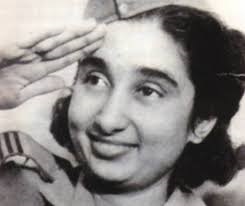
Lakshmi Sahgal, popularly known as Captain Lakshmi, was born as Lakshmi Swaminathan on 24 October 1914 in Madras (now Chennai), Tamil Nadu, India. She was born into a progressive and socially conscious family. Her father, S. Swaminathan, was a well-known criminal lawyer, while her mother, A. V. Ammukutty (Ammu Swaminathan), was a prominent social worker, freedom fighter, and later a member of the Constituent Assembly of India.
Lakshmi completed her early education in Madras and went on to study medicine at the Madras Medical College. She earned her MBBS degree in 1938 and later obtained a diploma in Gynecology and Obstetrics. Her medical training equipped her with the skills that would later prove invaluable during India’s struggle for independence.
Education & Skills
Lakshmi Sahgal was highly educated and possessed a diverse range of skills that enabled her to excel as both a physician and a freedom fighter.
Her notable skills included:
- Medical expertise, particularly in gynecology and obstetrics.
- Leadership and organizational abilities.
- Public speaking and motivational skills.
- Administrative competence in managing military and social welfare initiatives.
- Strong commitment to humanitarian service.
- Ability to work effectively in challenging wartime conditions.
Her combination of professional competence and patriotic zeal earned her widespread admiration.
Contribution to Tamil Literature
Lakshmi Sahgal was not primarily associated with Tamil literature, and she did not produce significant literary works in Tamil. However, her life and achievements have inspired numerous biographies, historical studies, and articles in Tamil and other Indian languages.
Her role as a courageous woman leader in the freedom struggle has been celebrated in Tamil publications, educational materials, and popular narratives that highlight women’s contributions to India’s independence movement. Through these portrayals, she continues to inspire readers and writers alike.
Role in India’s Freedom Movement
Lakshmi Sahgal played a remarkable role in India’s struggle against British rule.
Joining the Indian National Army
While practicing medicine in Singapore, she came into contact with Indian prisoners of war and expatriates involved in the nationalist movement. In 1943, she joined the Indian National Army>, led by Subhas Chandra Bose.
Formation of the Rani of Jhansi Regiment
Recognizing the importance of women’s participation in the independence movement, Lakshmi helped establish and lead the Rani of Jhansi Regiment, an all-women combat unit of the Indian National Army. She served as its commander and became widely known as “Captain Lakshmi.”
Service During the INA Campaign
As a military officer and physician, she cared for injured soldiers and encouraged women to take active roles in the fight for independence. Her leadership challenged traditional gender norms and demonstrated the vital role women could play in national movements.
Arrest and Return to India
Following the defeat of the INA in 1945, Lakshmi was arrested by British authorities. She was later released, and upon returning to India, she continued her commitment to public service and social justice.
Personal Life
In 1947, Lakshmi married Prem Kumar Sahgal, a fellow INA officer. The couple settled in Kanpur, where Lakshmi resumed medical practice.
She devoted much of her life to providing affordable healthcare to the poor and marginalized. Her clinic became known for its compassionate and accessible services.
Lakshmi also remained active in social and political causes. She worked extensively for women’s rights, secular values, and the welfare of disadvantaged communities. In 2002, she contested the Presidential Election of India as the candidate of left parties, symbolizing her continued engagement in public life.
Death
Lakshmi Sahgal passed away on 23 July 2012 in Kanpur at the age of 97 following a cardiac arrest.
Her death was mourned across the country, with leaders, historians, and ordinary citizens paying tribute to her extraordinary contributions to the nation. She was accorded full state honors in recognition of her service to India.
Conclusion
Lakshmi Sahgal remains one of the most inspiring figures in India’s freedom movement. A skilled physician, courageous military leader, and lifelong social activist, she dedicated herself to the ideals of justice, equality, and national service. Through her leadership of the Rani of Jhansi Regiment, she expanded the role of women in the struggle for independence and challenged societal conventions of her time.
Even after India achieved freedom, she continued to serve society through medicine and advocacy for the underprivileged. Lakshmi Sahgal’s life stands as a powerful example of patriotism, resilience, and humanitarian commitment, ensuring her place among the most respected leaders of modern Indian history.
About the Author