Early Life and Education
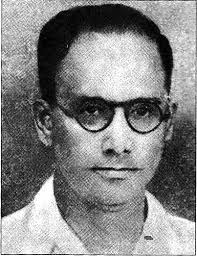
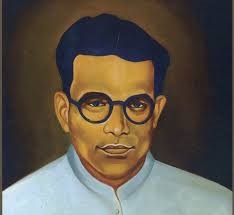
Sankaralinganar was born in 1895 in Virudhunagar, in present-day Tamil Nadu, India. He belonged to a family engaged in trade and was exposed to nationalist ideas from an early age. Although detailed records of his formal education are limited, he received a sound education that enabled him to actively participate in social and political movements.
Inspired by the ideals of India’s struggle for independence, Sankaralinganar developed a deep commitment to public service and social reform. The teachings of leaders such as Mahatma Gandhi greatly influenced his outlook on life.
Education & Skills
Sankaralinganar possessed strong leadership and organizational abilities. He was known for his:
- Effective public speaking skills.
- Commitment to Gandhian principles such as simplicity, self-reliance, and non-violence.
- Ability to mobilize people for social and political causes.
- Dedication to promoting the Tamil language and regional identity.
- Skills in community service and grassroots activism.
Although he was not primarily recognized as an academic scholar, his practical wisdom and dedication made him an influential public figure.
Contribution to Tamil Literature
Unlike many Tamil scholars of his time, Sankaralinganar’s contribution to Tamil literature was indirect rather than literary. His efforts focused on promoting Tamil culture and identity.
He strongly advocated for the recognition and preservation of Tamil heritage. Through speeches and public campaigns, he encouraged pride in the Tamil language and emphasized its historical importance. His activism contributed to the broader Tamil cultural movement that sought to strengthen linguistic identity in South India.
Role in India’s Freedom Movement
Sankaralinganar actively participated in the Indian independence movement under the leadership of the Indian National Congress. Inspired by Gandhian ideals, he supported campaigns aimed at ending British colonial rule.
He participated in nationalist activities that promoted:
- Swadeshi (the use of indigenous products),
- Non-cooperation with British authorities,
- Social equality and upliftment,
- Rural development and self-sufficiency.
However, Sankaralinganar is best remembered for his historic fast demanding that the state of Madras be officially renamed Tamil Nadu. He believed that the name should reflect the cultural and linguistic identity of the Tamil people.
In 1956, he began an indefinite hunger strike to press this demand, along with several other social reforms. His protest drew widespread public attention and became a landmark event in Tamil political history.
Personal Life
Sankaralinganar led a simple life guided by Gandhian values. He remained deeply committed to social service and the welfare of ordinary people. Despite opportunities for personal advancement, he chose to devote much of his life to public causes.
He was respected for his integrity, discipline, and unwavering dedication to the principles he believed in. His personal sacrifices earned him admiration among supporters of both the freedom movement and the Tamil cause.
Death
After fasting continuously for approximately 76 days, Sankaralinganar passed away on 13 October 1956. His death shocked the people of Tamil Nadu and intensified demands for the recognition of Tamil identity.
Although the renaming of the state did not occur immediately, his sacrifice left a lasting impact. In 1969, the state of Madras was officially renamed Tamil Nadu, fulfilling one of the key objectives for which he had fought.
Today, Sankaralinganar is remembered as a martyr who sacrificed his life for the dignity and identity of the Tamil people.
Conclusion
Sankaralinganar occupies a unique place in the history of Tamil Nadu. As a freedom fighter, social activist, and champion of Tamil identity, he demonstrated extraordinary courage and commitment to public service. While his direct contributions to Tamil literature were limited, his efforts to preserve and promote Tamil cultural pride had a profound influence on society. His ultimate sacrifice during his fast for the renaming of Tamil Nadu remains a powerful symbol of dedication to language, culture, and regional identity.
His life continues to inspire generations to work selflessly for the causes they believe in while upholding the values of perseverance, sacrifice, and service to society.
About the Author