Introduction
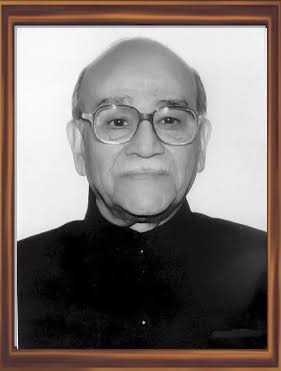
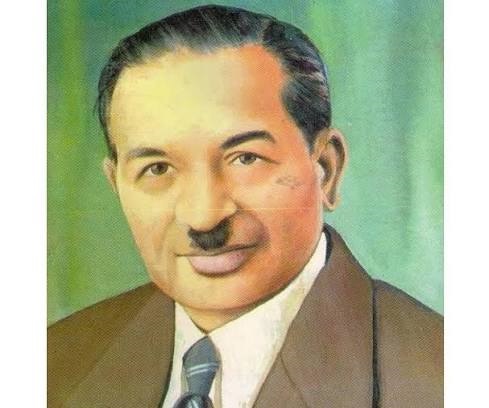
Shanti Swarup Bhatnagar was one of India’s most respected scientists and science administrators. He played a major role in developing scientific research in India after independence. Known for his contributions to chemistry and industrial research, he helped establish many national laboratories and encouraged scientific innovation in the country. He is often remembered as the Father of Research Laboratories in India.
Why Did Shanti Swarup Bhatnagar Receive the Padma Bhushan Award?
Shanti Swarup Bhatnagar was awarded the Padma Bhushan in 1954 by the Government of India for his exceptional contributions to science, technology, and industrial research.
The award recognized his:
- Important research contributions in chemistry.
- Efforts in developing scientific and industrial research facilities in India.
- Leadership in establishing the Council of Scientific and Industrial Research (CSIR).
- Contribution to using science for national development.
Early Life
Shanti Swarup Bhatnagar was born on 21 February 1894 in Bhera, Punjab (now in Pakistan). He lost his father at a very young age and was raised by his mother and maternal grandfather.
From childhood, Bhatnagar showed a strong interest in science and engineering. He enjoyed experimenting with scientific ideas and developed a passion for research.
Birth Date and Death
- Full Name: Shanti Swarup Bhatnagar
- Born: 21 February 1894
- Birthplace: Bhera, Punjab, British India (now in Pakistan)
- Died: 1 January 1955
- Place of Death: New Delhi, India
Education and Career
Education
Shanti Swarup Bhatnagar received his early education in India and later went abroad for higher studies.
- He studied at the University of London and earned a Doctor of Science (D.Sc.) degree.
- He specialized in chemistry and conducted research in physical chemistry.
Career
After completing his studies, Bhatnagar returned to India and worked as a professor and researcher.
Important stages of his career:
- Served as a professor of chemistry at Banaras Hindu University.
- Later worked at University of the Punjab.
- Became the first Director-General of the Council of Scientific and Industrial Research (CSIR).
- Helped establish several national research laboratories across India.
Field of Achievements
Shanti Swarup Bhatnagar made important contributions in the following fields:
1. Chemistry Research
He carried out research in:
- Physical chemistry.
- Magnetochemistry.
- Industrial chemistry.
His research helped improve understanding of chemical processes and materials.
2. Industrial Research
Bhatnagar worked to connect scientific research with industrial development. His studies helped Indian industries solve technical problems and develop new technologies.
3. Development of Research Institutions
One of his greatest achievements was creating a strong network of scientific laboratories in India through CSIR. These institutions became important centres for research and innovation.
Awards and Honours
Shanti Swarup Bhatnagar received many awards and recognitions, including:
- Padma Bhushan (1954) – Government of India
- Fellowship of the Royal Society (1943) – United Kingdom
- Fellow of the Indian Academy of Sciences
- Knight Bachelor (1941) – British government honour
The prestigious Shanti Swarup Bhatnagar Prize for Science and Technology was established in his memory. It is one of India’s highest scientific awards for young researchers.
Interesting Facts About Shanti Swarup Bhatnagar
- He was one of the key people responsible for building India’s modern scientific research system.
- He helped establish more than a dozen national laboratories under CSIR.
- He was also interested in poetry and literature along with science.
- He played an important role in encouraging young Indian scientists.
- The Shanti Swarup Bhatnagar Prize continues to recognize outstanding scientific talent in India.
Legacy and Inspiration
Shanti Swarup Bhatnagar’s legacy lives through the many research institutions he helped create. His vision showed that scientific research could support economic growth and national progress.
He inspired generations of scientists by proving that dedication to education and innovation could help build a stronger nation.
Contribution to the Nation
His major contributions to India include:
- Establishing a strong foundation for scientific research.
- Developing CSIR into a leading research organization.
- Promoting industrial development through science and technology.
- Encouraging young researchers and scientific education.
- Helping India become more self-reliant in science and technology.
Conclusion
Shanti Swarup Bhatnagar was a remarkable scientist, educator, and institution builder who transformed India’s scientific landscape. His research achievements and leadership helped create a strong foundation for modern scientific development in India. His dedication to science and nation-building continues to inspire students, researchers, and innovators across the country.
About the Author