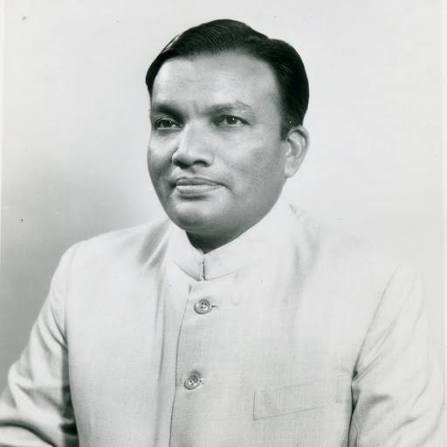
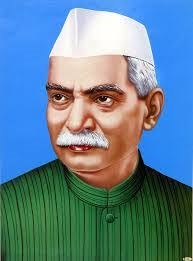
Early Life and Education
Dr. Rajendra Prasad was born on 3 December 1884 in Ziradei. He came from a well-educated and culturally rich family. His father, Mahadev Sahai, was a scholar of Sanskrit and Persian, while his mother, Kamleshwari Devi, was deeply religious and influenced his moral values.
Rajendra Prasad was an exceptionally bright student. He completed his schooling in Bihar and later joined Presidency College in Kolkata. He excelled in academics and earned degrees in economics and law, eventually becoming one of the most respected lawyers in India.
Education & Skills
Dr. Rajendra Prasad possessed a strong academic background and a wide range of skills that helped him become a prominent national leader.
Key Skills
- Legal expertise
- Leadership and administration
- Public speaking
- Political organization
- Writing and journalism
- Conflict resolution
- Social service and community development
His intelligence, discipline, and dedication to public welfare made him a highly respected figure in Indian politics.
Contribution to Tamil Literature
Dr. Rajendra Prasad did not directly contribute to Tamil literature. However, he actively promoted Indian languages, literature, and cultural heritage throughout his public life. He believed in preserving and encouraging regional languages, including Tamil, as important parts of India’s national identity.
His speeches and writings on education, culture, and national unity have been translated into Tamil and continue to inspire readers across the country.
Role in India’s Freedom Movement
Dr. Rajendra Prasad played a crucial role in India’s struggle for independence and worked closely with Mahatma Gandhi.
Major Contributions
- Joined the Indian National Congress and became an active participant in the freedom movement.
- Supported Gandhi during the Champaran Satyagraha.
- Participated in the Non-Cooperation Movement.
- Took part in the Civil Disobedience Movement and Salt Satyagraha.
- Was imprisoned several times by British authorities.
- Played a leading role in relief efforts during natural disasters, particularly the Bihar earthquake of 1934.
- Served as President of the Indian National Congress on multiple occasions.
His dedication and sacrifice made him one of the foremost leaders of the independence movement.
Personal Life
Dr. Rajendra Prasad married Rajvanshi Devi at a young age, following the customs of that period. Despite his successful legal career, he chose to dedicate his life to public service and the national cause.
After India gained independence, he became the President of the Constituent Assembly of India and played an important role in the framing of the Indian Constitution.
On 26 January 1950, when India became a republic, he was elected as the first President of India. He served from 1950 to 1962, becoming the longest-serving President in Indian history.
Death
Dr. Rajendra Prasad passed away on 28 February 1963 in Patna. His death marked the end of an era in Indian public life.
In recognition of his outstanding service to the nation, he was awarded the Bharat Ratna in 1962.
Conclusion
Dr. Rajendra Prasad was a distinguished freedom fighter, scholar, lawyer, and statesman who became the first President of independent India. His contributions to the freedom struggle, constitutional development, and nation-building were immense. Known for his humility, wisdom, and commitment to public service, he remains one of the most respected leaders in Indian history. His life continues to inspire generations to work for the welfare and progress of the nation.
About the Author