Early Life and Education
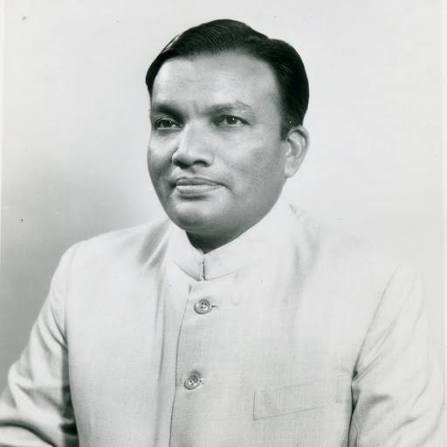
Gopal Krishna Gokhale was born on 9 May 1866 in Kotluk village, Ratnagiri district, Maharashtra, India. He came from a modest Chitpavan Brahmin family. Despite financial difficulties, he was determined to pursue education. He completed his higher studies at Elphinstone College, Bombay, where he was exposed to Western political thought, liberal philosophy, and economics. His education helped shape his vision of social reform and constitutional governance.
Education & Skills
Gokhale was highly educated and possessed exceptional intellectual abilities. He was proficient in:
- Economics and public finance
- Political science and governance
- Public speaking and debate
- Social reform and policy analysis
- Leadership and organizational management
His analytical skills and persuasive speeches earned him recognition as one of the leading political thinkers of his time.
Contribution to Tamil Literature
Gopal Krishna Gokhale did not make any direct contributions to Tamil literature. However, his ideas on education, social reform, and nationalism inspired intellectuals and writers across India, including those in Tamil Nadu. His speeches and writings encouraged discussions on self-governance, public service, and national unity, which influenced several Tamil scholars and freedom fighters.
Role in India’s Freedom Movement
Gokhale played a significant role in India’s struggle for independence through moderate and constitutional methods.
Major Contributions:
- Joined the Indian National Congress and became one of its most influential leaders.
- Advocated for greater Indian representation in government institutions.
- Criticized unfair British taxation and economic policies.
- Worked tirelessly for universal primary education.
- Founded the Servants of India Society in 1905 to train individuals for national service and social reform.
- Promoted constitutional reforms and peaceful political action.
- Served in the Imperial Legislative Council, where he voiced the concerns of Indians.
- Acted as a political mentor to Mahatma Gandhi, influencing Gandhi’s early political philosophy.
Gokhale believed that India’s freedom could be achieved through dialogue, reforms, and gradual political progress.
Personal Life
Gopal Krishna Gokhale led a simple and disciplined life dedicated to public service. He was known for his honesty, integrity, and commitment to social welfare. Much of his time was devoted to political activities, education, and social reform rather than personal pursuits. His selfless dedication earned him widespread respect among contemporaries and future generations.
Death
Gopal Krishna Gokhale passed away on 19 February 1915 in Pune, Maharashtra, at the age of 48. His death was a great loss to the Indian nationalist movement. Leaders across the country mourned the passing of a statesman who had devoted his life to the service of the nation.
Conclusion
Gopal Krishna Gokhale was one of the most respected leaders of India’s freedom movement. His commitment to education, social reform, constitutional governance, and public service laid a strong foundation for India’s struggle for independence. As the political mentor of Mahatma Gandhi and the founder of the Servants of India Society, his influence extended far beyond his lifetime. Gokhale’s legacy continues to inspire those who believe in democratic values, peaceful reform, and dedicated service to society.
About the Author