1. Introduction
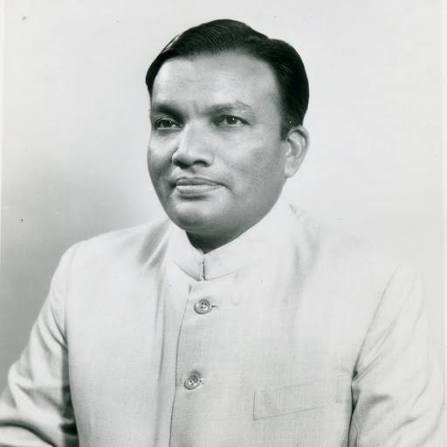
Professor Bimal Kumar Bachhawat (1925–1996) was one of India’s most distinguished biochemists, neurochemists, and glycobiologists. Best known for his pioneering research on glycolipids, lysosomal storage diseases, and liposome-targeted drug delivery systems, he played a monumental role in building modern biochemical education and research institutions in independent India—including founding the Department of Biochemistry at the University of Delhi.
2. Quick Facts
- Full Name: Bimal Kumar Bachhawat
- Native Name: বিমল কুমার বচ্চাওয়াত
- Date of Birth: 16 August 1925
- Place of Birth: British India (with deep ancestral roots in West Bengal)
- Nationality: Indian
- Occupation / Profession: Biochemist, Scientist, Academic Administrator
- Field of Achievement: Biochemistry, Glycobiology, Neurochemistry, and Biotechnology
- Years Active: 1950s – 1996
3. Award Information (Focus: Padma Bhushan, 1990)
- Award Name: Padma Bhushan
- Award Category: India’s Third-Highest Civilian Award
- Award Year: 1990
- Presented By: The President of India
- Date of Ceremony: March/April 1990 (Rashtrapati Bhavan, New Delhi)
- Citation / Official Reason: In recognition of his exceptional and distinguished contributions to science and engineering, pioneering glycobiology research, and transforming biochemical education in India.
- Previous Recipients (Contextual): Noted scientists, medical researchers, and public leaders from preceding years.
- Next Recipients (Contextual): Distinguished achievers of the subsequent civilian honors cycle.
4. Why He Received the Award
Professor Bachhawat was honored with the Padma Bhushan for his lifetime of pathbreaking scientific discoveries and institutional leadership. His work on glycosphingolipids, enzyme deficiencies leading to neurological disorders, and the application of liposomes as targeted carriers for drug delivery laid vital stepping stones for modern molecular medicine and biotechnology in India.
5. Early Life
Born in August 1925, Bimal Kumar Bachhawat grew up during a dynamic period of modern Indian history. Exhibiting an early and profound aptitude for the physical and natural sciences, he pursued higher education with a clear intent to decode the complex chemical mechanisms governing life, health, and disease.
6. Education
- Undergraduate Studies: Earned his foundational science degree in India.
- Postgraduate Studies: Specialized in chemistry and early biochemistry.
- Doctorate (Ph.D.): Completed rigorous doctoral research in biochemistry, followed by advanced postdoctoral fellowships in the United States, where he trained alongside global giants in enzyme chemistry and metabolic pathways.
7. Career Journey
- Christian Medical College (CMC), Vellore: Established early research facilities, initiating high-level biochemical investigations into neurological disorders and complex lipids.
- Indian Institute of Chemical Biology (IICB), Kolkata: Served as Director, transforming the institute into a leading hub for biomedical and chemical research.
- Founder Head, Department of Biochemistry, University of Delhi (South Campus): Established and nurtured a world-class department that produced generations of leading Indian molecular biologists and biochemists.
- Global Academic Roles: Served as a visiting scientist and collaborator with top international laboratories across North America and Europe.
8. Major Achievements
- Shanti Swarup Bhatnagar Prize (1962): Awarded India’s highest science award in the Biological Sciences category for his stellar work on glycobiology.
- Liposome Drug Delivery Pioneer: Among the earliest global researchers to explore liposomes as vehicles for targeted drug delivery to specific organs, laying the groundwork for modern nanomedicine.
- Lysosomal Storage Disorder Insights: Unraveled critical metabolic blocks associated with brain and nerve lipid degradation disorders.
9. Contribution to the Nation
Professor Bachhawat anchored the development of modern biochemistry in India. By creating premier academic hubs in both Vellore, Kolkata, and New Delhi, he bridged the gap between basic chemical research and clinical medicine. His innovations in targeted drug delivery and enzyme replacement therapies opened up indigenous pathways for treating complex genetic and metabolic diseases.
10. Other Awards and Honours
- Shanti Swarup Bhatnagar Prize (CSIR, 1962)
- Shanti Swarup Bhatnagar Fellowship (CSIR)
- Padma Bhushan (Government of India, 1990)
- Fellow, Indian National Science Academy (FNA)
- Fellow, Indian Academy of Sciences (FASc)
- Meghnad Saha Medal, INSA.
11. Legacy and Influence
Professor Bimal Kumar Bachhawat is remembered as a gentle giant of Indian science—rigorous in his research, deeply supportive of young scholars, and fiercely visionary about India’s self-reliance in biotechnology. His academic lineage and research standards continue to thrive through the students and departments he established. He passed away on September 23, 1996.
12. Interesting Facts
- Pioneer of Glycobiology in India: Long before glycobiology (the study of the structure, biosynthesis, and biology of sugars and glycans) gained widespread global focus, Bachhawat was already mapping complex glycolipid pathways in Indian laboratories.
- Institution Builder: He had the rare distinction of setting up major research frameworks from scratch across different corners of India—from CMC Vellore in the South to IICB in the East and Delhi University in the North.
13. Quotes
“Scientific research in developing nations must address the specific burdens of our population while simultaneously daring to explore the universal frontiers of molecular life.” — Reflecting the academic ethos championed by Prof. B.K. Bachhawat
14. Timeline
- 1925: Born on August 16.
- 1962: Awarded the prestigious Shanti Swarup Bhatnagar Prize in Biological Sciences.
- 1970s–1980s: Leads groundbreaking research on liposomal drug delivery and neurochemistry; serves as Director of IICB Kolkata.
- 1980s: Founds the Department of Biochemistry at the University of Delhi (South Campus).
- 1990: Conferred the Padma Bhushan by the Government of India.
- 1996: Passes away on September 23 at the age of 71.
15. References
- Indian National Science Academy (INSA) Biographical Memoirs.
- Department of Biochemistry, University of Delhi Faculty Records.
- Government of India – Padma Awards Directory.
- CSIR Shanti Swarup Bhatnagar Prize Archives.
16. Related Personalities
- Talat Mukhtar (Noted Indian biochemist and contemporary researcher)
- P.N. Tandon (Renowned neuroscientist and contemporary medical pioneer)
- Asis Datta (Prominent Indian molecular biologist and academic leader)
17. Frequently Asked Questions (FAQ)
Q1: Who was Professor Bimal Kumar Bachhawat?
A: Prof. B.K. Bachhawat was a legendary Indian biochemist and glycobiologist who pioneered research in neurochemistry, lysosomal disorders, and liposome-based drug delivery.
Q2: What are his most significant scientific contributions?
A: He is best known for his foundational work in glycobiology, discovering metabolic enzyme pathways linked to neurological diseases, and pioneering targeted drug delivery systems using liposomes.
Q3: When did he receive the Padma Bhushan?
A: He was awarded the Padma Bhushan by the Government of India in 1990.
About the Author