Early Life and Education
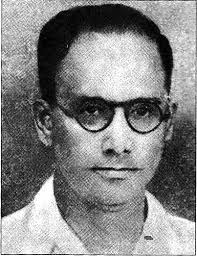
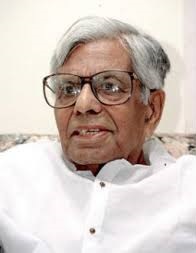
Chidambaram Subramaniam, commonly known as C. Subramaniam, was born on 30 January 1910 in Senguttaipalayam, near Pollachi, in present-day Tamil Nadu. He was born into an agricultural family, an experience that later influenced his interest in rural development and agricultural reforms.
He received his early education in Pollachi and pursued higher studies at Presidency College, Madras, where he earned a degree in Physics. He subsequently studied law at the Madras Law College and obtained a degree in law. During his student years, he became increasingly interested in the Indian nationalist movement and public affairs.
Education & Skills
C. Subramaniam was known for his intellectual abilities, administrative efficiency, and visionary leadership. His educational background in science and law contributed significantly to his public career.
His notable skills included:
- Leadership and public administration
- Strategic planning and policy formulation
- Expertise in agricultural development
- Legal knowledge and legislative experience
- Effective communication and negotiation skills
- Commitment to social welfare and national progress
These qualities enabled him to play a key role in shaping independent India’s agricultural and economic policies.
Contribution to Tamil Literature
Although C. Subramaniam was not primarily a literary figure, he valued education, language, and cultural development. He encouraged the promotion of Tamil language studies and supported educational initiatives that strengthened Tamil heritage.
He also authored books and essays reflecting his experiences in public life, governance, and national development. His writings provided valuable insights into India’s political and agricultural transformation. Through these contributions, he enriched the body of literature related to public policy and modern Indian history.
Role in India’s Freedom Movement
C. Subramaniam actively participated in India’s struggle for independence from British rule. Inspired by the ideals of leaders such as Mahatma Gandhi, he joined the Indian National Congress and took part in various nationalist activities.
His contributions to the freedom movement included:
- Participating in the Civil Disobedience Movement.
- Taking part in the Quit India Movement of 1942.
- Facing imprisonment for his involvement in anti-colonial activities.
- Organizing political campaigns and encouraging public participation in the struggle for independence.
- Working alongside fellow freedom fighters in Tamil Nadu to mobilize support for national causes.
His dedication to the freedom movement laid the foundation for his later contributions to nation-building.
Personal Life
Chidambaram Subramaniam married Janaki Subramaniam, and he maintained a relatively private family life despite his active involvement in politics. He was widely respected for his simplicity, integrity, and disciplined approach to public service.
Following India’s independence, he held several important positions in government, including serving as the Union Minister for Food and Agriculture. His leadership in introducing high-yielding crop varieties, modern farming techniques, and improved agricultural policies earned him recognition as one of the principal architects of India’s Green Revolution.
He also served as the Governor of Maharashtra and continued contributing to public life through advisory and administrative roles.
Death
C. Subramaniam passed away on 7 November 2000 in Chennai at the age of 90. His death marked the loss of a distinguished freedom fighter, statesman, and visionary leader.
In recognition of his outstanding service to the nation, he was awarded India’s highest civilian honour, the Bharat Ratna, in 1998.
Conclusion
Chidambaram Subramaniam remains one of India’s most respected statesmen. From his participation in the freedom movement to his transformative role in India’s agricultural development, he dedicated his life to national progress. Though not chiefly remembered as a literary personality, his support for education and his writings on governance contributed to intellectual discourse in Tamil Nadu and beyond. His vision, leadership, and commitment to public welfare continue to inspire future generations, securing his place in India’s political and developmental history.
About the Author