Introduction
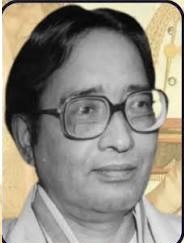
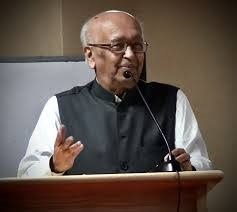
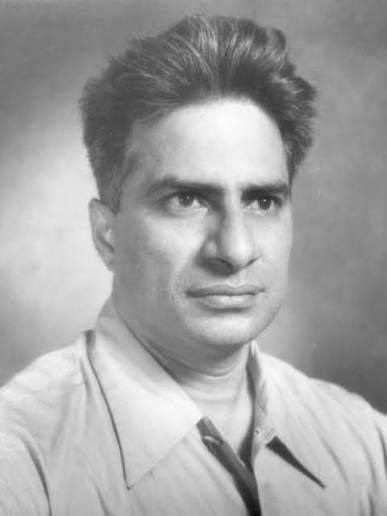
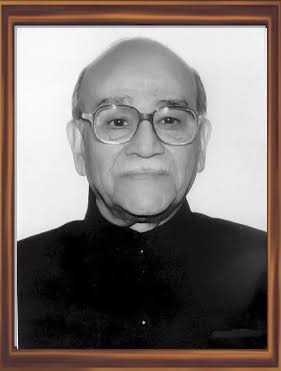
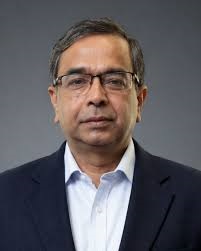
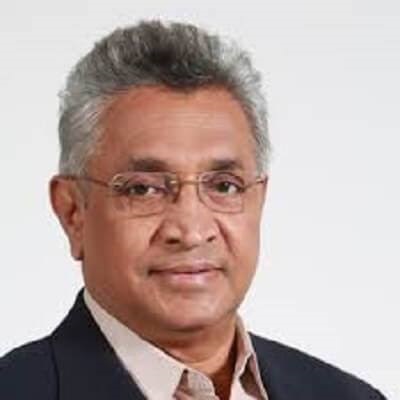
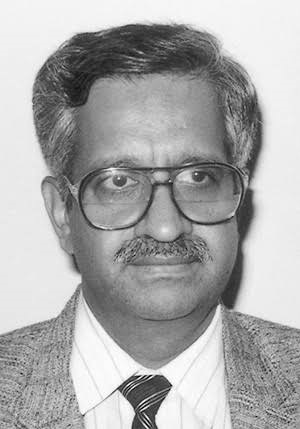
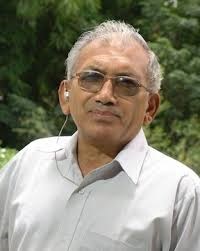
Khadg Singh Valdiya (1937–2020), popularly known as K. S. Valdiya, was one of India’s most eminent geologists and a leading authority on Himalayan geology, geodynamics, neotectonics, hydrogeology, and environmental geology. His pioneering studies on the evolution of the Himalayan mountain system transformed scientific understanding of plate tectonics, active faulting, mountain-building processes, and groundwater resources in the Indian subcontinent. Through decades of research, teaching, and public service, Valdiya became one of the foremost interpreters of India’s geological history and an advocate for sustainable management of fragile mountain ecosystems. His work significantly influenced geology, disaster management, and environmental conservation in India. (en.wikipedia.org)
Early Life and Education
Khadg Singh Valdiya was born on 20 March 1937 in Kalaw, Burma (now Myanmar), to an Indian family originally from the Kumaon region of present-day Uttarakhand. After his family returned to India, he completed his schooling in the Himalayan region, where his fascination with mountains and landscapes inspired his interest in geology.
He earned his Bachelor’s and Master’s degrees in Geology from Lucknow University, graduating with distinction. He later pursued doctoral research in Himalayan geology, laying the foundation for a career devoted to understanding the structure, evolution, and dynamics of mountain systems. His early academic achievements earned him recognition as one of India’s promising young geologists. (en.wikipedia.org)
Scientific Career & Research
Academic Career
Valdiya began his academic career at Rajasthan University, where he conducted research on the Precambrian rocks of the Aravalli region. He later joined Kumaun University, becoming one of its leading geology professors and helping establish advanced research in Himalayan Earth sciences.
He also served as a professor at Jawaharlal Nehru University (JNU) and later worked with the Wadia Institute of Himalayan Geology, contributing to national geological research and policy.
Himalayan Geology
Valdiya devoted much of his career to studying the Himalayan mountain belt. His research focused on:
- Mountain-building processes
- Plate tectonics
- Rock deformation
- Fault systems
- Earthquake-generating structures
- Geological evolution of the Himalayas
His field investigations provided new evidence supporting the collision of the Indian and Eurasian tectonic plates as the driving force behind Himalayan uplift.
Geodynamics and Active Tectonics
Valdiya became internationally recognized for his studies of active faults and neotectonics in the Himalayas.
His work demonstrated that:
- The Himalayas are still rising.
- Major faults remain tectonically active.
- Ongoing crustal deformation contributes to earthquakes.
- Geological hazards continue to shape the region.
These findings greatly improved scientific understanding of seismic hazards in northern India.
Hydrogeology
Another major area of his research was groundwater in mountainous regions.
He investigated:
- Springs in the Himalayas
- Groundwater recharge
- Aquifer systems
- Watershed management
- Sustainable water resources
His studies helped explain why many Himalayan springs dry up and suggested methods for restoring groundwater through scientific watershed management.
Environmental Geology
Valdiya emphasized the relationship between geology and environmental sustainability.
His research addressed:
- Landslides
- Soil erosion
- River dynamics
- Deforestation
- Urban development in mountain regions
- Environmental conservation
He consistently advocated for scientifically informed planning in ecologically sensitive Himalayan areas.
Scientific Publications
Throughout his career, Valdiya authored more than 300 scientific papers and numerous influential books, including:
- Geology of Kumaun Lesser Himalaya
- Environmental Geology
- The Making of India: Geodynamic Evolution
- Dynamic Himalaya
These publications remain important references for students and researchers in Earth sciences. (en.wikipedia.org)
Major Discoveries and Inventions
Although K. S. Valdiya did not invent scientific instruments, his discoveries profoundly advanced geological science.
1. Active Himalayan Fault Systems
Valdiya demonstrated that several Himalayan fault zones remain active today, challenging earlier assumptions that they were geologically inactive. His work has been fundamental to modern seismic hazard assessment.
2. Neotectonic Evolution of the Himalayas
He showed that tectonic movements continue to reshape the Himalayan landscape through uplift, faulting, and crustal deformation, contributing to a deeper understanding of mountain evolution.
3. Spring Recharge Mechanisms
His research identified the geological controls on Himalayan springs and proposed practical methods for reviving depleted water sources through groundwater recharge and watershed management.
4. Geological Evolution of the Indian Plate
Valdiya reconstructed the geological history of the Indian subcontinent, explaining how continental drift, plate collision, and crustal deformation produced India’s present-day landscape.
5. Environmental Impact of Geological Processes
He highlighted how geological instability influences landslides, earthquakes, and environmental degradation, promoting the integration of geology into disaster mitigation and sustainable development planning.
Awards and Honours
K. S. Valdiya received numerous prestigious honours during his distinguished career, including:
- Shanti Swarup Bhatnagar Prize for Science and Technology (1981) in Earth, Atmosphere, Ocean and Planetary Sciences.
- National Mineral Award of Excellence from the Government of India.
- Padma Shri (2007), India’s fourth-highest civilian award, for his contributions to science and engineering.
- Fellow of the Indian National Science Academy (INSA).
- Fellow of the Indian Academy of Sciences (IASc).
- Fellow of the National Academy of Sciences, India (NASI).
- Honorary doctorates from several universities in recognition of his outstanding contributions to geology and geodynamics. (en.wikipedia.org)
Later Life and Death
Following his retirement from active university service, Valdiya continued working as an emeritus scientist, advisor, author, and mentor. He remained deeply engaged in research on Himalayan geology, groundwater conservation, and environmental sustainability.
He also participated in national committees concerned with disaster management, natural resource conservation, and environmental policy.
K. S. Valdiya passed away on 29 January 2020 at the age of 82. His death marked the loss of one of India’s most respected Earth scientists, but his research continues to influence geology and environmental science worldwide. (en.wikipedia.org)
Legacy and Impact
K. S. Valdiya’s contributions have had a lasting impact on geology, geodynamics, and environmental science.
His enduring legacy includes:
- Transforming scientific understanding of Himalayan tectonics and mountain evolution.
- Advancing knowledge of active fault systems and earthquake hazards.
- Pioneering groundwater and spring recharge studies in mountain regions.
- Promoting environmentally sustainable development in the fragile Himalayan ecosystem.
- Inspiring generations of geologists through his teaching, mentorship, and influential publications.
His research remains widely cited in studies of tectonics, hydrogeology, environmental geology, and natural hazard assessment.
Conclusion
K. S. Valdiya was a visionary geologist whose groundbreaking research reshaped the understanding of the Himalayan mountain system and the geodynamic evolution of the Indian subcontinent. His pioneering work on plate tectonics, active fault systems, groundwater resources, and environmental geology has had far-reaching implications for science, disaster management, and sustainable development. Through decades of dedicated research, education, and public service, he established himself as one of India’s most influential Earth scientists. His scientific legacy continues to guide researchers, policymakers, and conservationists working to better understand and protect the dynamic landscapes of the Himalayas.
About the Author