Introduction
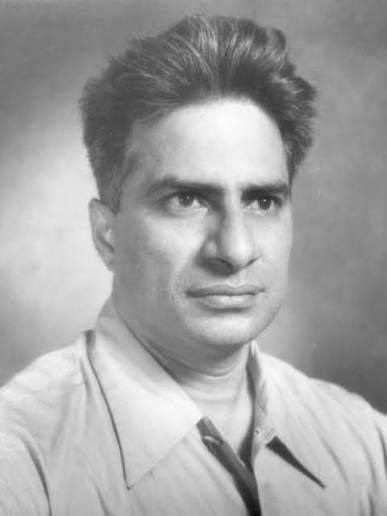
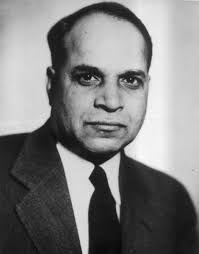
Dr. Yellapragada Subbarow (1895–1948) was an Indian biochemist and pharmacologist whose groundbreaking discoveries revolutionized modern medicine. Although he never received a Nobel Prize, his research led to the development of life-saving drugs and advanced our understanding of cellular metabolism. His contributions include the discovery of phosphocreatine and adenosine triphosphate (ATP) in energy metabolism, the development of the Fiske–Subbarow method for phosphorus estimation, and pioneering work that led to drugs for treating cancer, bacterial infections, and parasitic diseases. Today, Subbarow is regarded as one of the greatest medical scientists of the twentieth century, and his work continues to save millions of lives worldwide.
Early Life and Education
Yellapragada Subbarow was born on January 12, 1895, in Bhimavaram, in present-day Andhra Pradesh, India. Raised in a modest family, he faced financial hardships during his childhood but remained deeply committed to education.
He completed his early schooling in Rajahmundry and later joined the Madras Medical College, where he earned the Licentiate in Medicine and Surgery (LMS). Despite academic excellence, he faced challenges under British colonial rule and was unable to obtain the full MBBS degree due to institutional discrimination.
Determined to pursue scientific research, Subbarow moved to the United States in 1923 and enrolled at Harvard Medical School, where he conducted pioneering research in biochemistry under the mentorship of Professor Cyrus Fiske.
Scientific Career & Research
At Harvard Medical School, Subbarow focused on understanding the biochemical processes that provide energy to living cells. His research fundamentally changed scientists’ understanding of muscle function and cellular metabolism.
In 1940, he joined Lederle Laboratories (a division of American Cyanamid Company), where he became Director of Research. Under his leadership, the laboratory developed several important drugs that transformed medicine.
His research areas included:
- Cellular energy metabolism
- Biochemistry of phosphorus compounds
- Antibiotic discovery
- Antifolate drugs
- Antiparasitic medicines
- Nutritional biochemistry
- Drug development for infectious diseases
Subbarow’s ability to bridge basic biochemical research with practical medicine made him one of the most influential pharmaceutical scientists of his era.
Major Discoveries and Inventions
1. Discovery of Phosphocreatine
Working with Cyrus Fiske at Harvard, Subbarow discovered phosphocreatine, a high-energy phosphate compound stored in muscles.
This discovery explained how muscles rapidly obtain energy during physical activity and laid the foundation for modern muscle physiology.
2. Role of Adenosine Triphosphate (ATP)
Subbarow’s research significantly contributed to understanding the role of ATP (Adenosine Triphosphate) as the primary energy carrier in living cells.
Today, ATP is recognized as the “energy currency” of all living organisms and is central to biochemistry, physiology, and medicine.
3. Fiske–Subbarow Method
Subbarow co-developed the Fiske–Subbarow Method, a laboratory technique for measuring inorganic phosphorus in biological samples.
The method became one of the standard biochemical procedures used worldwide in medical laboratories and research institutions.
4. Development of Antifolate Drugs
At Lederle Laboratories, Subbarow directed research that led to the development of aminopterin, one of the first successful chemotherapy drugs.
This breakthrough demonstrated that cancer cells could be controlled using chemical agents and paved the way for modern cancer chemotherapy.
5. Development of Methotrexate
His team’s antifolate research eventually led to methotrexate, which remains one of the world’s most widely used medicines for:
- Leukemia
- Breast cancer
- Rheumatoid arthritis
- Psoriasis
- Autoimmune diseases
6. Discovery of Diethylcarbamazine (DEC)
Subbarow’s laboratory developed Diethylcarbamazine (DEC), an effective drug for treating lymphatic filariasis (elephantiasis).
DEC has helped millions of people worldwide and remains an important medicine in global efforts to eliminate filariasis.
7. Discovery of Aureomycin
Under Subbarow’s leadership, researchers at Lederle Laboratories discovered Aureomycin (chlortetracycline), the first tetracycline antibiotic.
This broad-spectrum antibiotic revolutionized the treatment of bacterial infections and led to the development of the tetracycline family of antibiotics.
Awards and Honours
Although Yellapragada Subbarow did not receive many major awards during his lifetime, his scientific contributions have been widely recognized after his death.
His honours include:
- International recognition as one of the pioneers of modern biochemistry and pharmacology.
- Numerous memorial lectures, research awards, and scientific institutions named in his honor.
- Commemorative postage stamps issued by the Government of India.
- Recognition by medical and pharmaceutical organizations for his contributions to drug discovery.
- Celebration as one of India’s greatest biomedical scientists.
Many experts believe his achievements were worthy of a Nobel Prize, though he was never awarded one.
Later Life and Death
As Director of Research at Lederle Laboratories, Subbarow continued leading major pharmaceutical discoveries despite demanding workloads and health challenges.
He remained deeply dedicated to scientific research until his final days.
Yellapragada Subbarow passed away on August 8, 1948, in Pearl River, New York, USA, at the age of 53.
His untimely death ended a remarkable career, but many of the medicines developed under his leadership continue to improve and save lives across the globe.
Legacy and Impact
Yellapragada Subbarow’s discoveries have had a profound and lasting impact on medicine, pharmacology, and biochemistry.
His enduring legacy includes:
- Advancing the understanding of cellular energy metabolism.
- Discovering phosphocreatine and helping establish the role of ATP in biological systems.
- Developing the widely used Fiske–Subbarow biochemical method.
- Pioneering antifolate chemotherapy for cancer treatment.
- Contributing to the development of methotrexate, one of the world’s most important medicines.
- Leading the discovery of diethylcarbamazine for treating filariasis.
- Overseeing the development of Aureomycin, the first tetracycline antibiotic.
- Inspiring generations of biomedical scientists through his dedication and innovation.
Today, his work remains foundational to modern medicine, pharmaceutical research, and molecular biology.
Conclusion
Dr. Yellapragada Subbarow was an extraordinary scientist whose discoveries transformed biochemistry, pharmacology, and modern medicine. From revealing the mechanisms of cellular energy to leading the development of life-saving drugs against cancer, bacterial infections, and parasitic diseases, his contributions continue to benefit humanity. Despite receiving limited recognition during his lifetime, his scientific achievements have earned him a lasting place among the greatest biomedical researchers in history. His life serves as a powerful example of perseverance, innovation, and dedication to improving global health.
About the Author