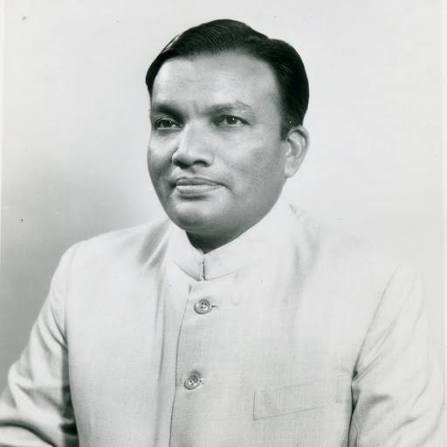
Subramania Bharati – The Fearless Poet of Indian Freedom
Subramania Bharati – The Flame of Indian Freedom
Subramania Bharati, fondly known as Mahakavi Bharathiyar, was one of the greatest poets, freedom fighters, journalists, and social reformers of India. His powerful poems ignited patriotism, inspired social change, and gave voice to equality and women’s empowerment. Though he lived only 39 years, his influence remains timeless.
Early Life
- Full Name: C. Subramania Bharati
- Birth: December 11, 1882
- Birthplace: Ettayapuram, Tamil Nadu
- Parents: Chinnaswami Iyer (father), Lakshmi Ammal (mother)
Bharati showed extraordinary talent in poetry from a very young age. At the age of 11, he was awarded the title “Bharati” (one blessed by Saraswati, the Goddess of Learning) by the King of Ettayapuram for his poetic brilliance.
Education
Subramania Bharati was educated in:
- Ettayapuram
- Tirunelveli
- Varanasi (Kashi)
His stay in Varanasi deeply influenced him. He learned Sanskrit, Hindi, English, and Bengali along with Tamil. Exposure to North Indian culture and nationalist ideas shaped his revolutionary thinking. He developed a strong sense of Indian unity beyond regional differences.
Family Life
- Wife: Chellamma
- Children: Thangammal and Sakunthala
Bharati married Chellamma at a very young age (child marriage was common during that time). Despite financial struggles and political hardships, his wife supported him throughout his life. His family faced poverty, exile, and suffering because of his involvement in the freedom movement.
Role in the Indian Freedom Struggle
Subramania Bharati was not just a poet — he was a revolutionary nationalist.
Association with Freedom Leaders
He was influenced by and worked with leaders like:
- Bal Gangadhar Tilak
- Lala Lajpat Rai
- Sri Aurobindo
He strongly supported Swaraj (self-rule) and wrote fiery poems against British rule.
Exile in Pondicherry
To escape British arrest, Bharati moved to Pondicherry (then under French rule) in 1908. There, he continued writing revolutionary articles and poems. His writings were banned by the British government because they inspired people to revolt.
During exile, he lived in extreme poverty but never gave up his mission for India’s freedom.
Contributions & Ideals
1. Patriotism
His poems like “Achamillai Achamillai” and “Vande Mataram Enbom” inspired courage and national pride.
2. Women Empowerment
Bharati believed women should have equal rights. He opposed child marriage and supported women’s education. He imagined a “New Woman” who was fearless and independent.
3. Social Equality
He strongly opposed caste discrimination. He believed all humans are equal and condemned untouchability.
4. Journalism
He worked as an editor for newspapers such as:
- India
- Vijaya
- Bala Bharatham
Through journalism, he spread nationalist ideas and social reform messages.
Literary Works
Bharati wrote:
- Patriotic poems
- Devotional songs
- Children’s songs
- Essays and short stories
Some famous works include:
- Kuyil Pattu
- Panchali Sapatham
- Sudesa Geethangal
His language was simple yet powerful, making his poetry accessible to common people.
Death
In 1920, Bharati was attacked by a temple elephant at the Parthasarathy Temple in Chennai. Though he survived the attack, his health deteriorated.
He passed away on September 11, 1921, at the young age of 39. At the time of his death, he was not widely recognized. Today, he is celebrated as one of Tamil Nadu’s greatest poets.
Legacy
- Known as Mahakavi Bharathiyar
- A pioneer of modern Tamil poetry
- A symbol of courage, equality, and patriotism
- His birthday (December 11) is celebrated as Bharati Day
His songs are still sung in schools, political gatherings, and cultural programs across Tamil Nadu and India.
Conclusion
Subramania Bharati was more than a poet — he was a visionary. He dreamed of a free India where men and women were equal, where caste discrimination did not exist, and where education and freedom belonged to all. His words continue to inspire generations even today.
“Achamillai Achamillai” — Fearless in thought, fearless in action.
About the Author