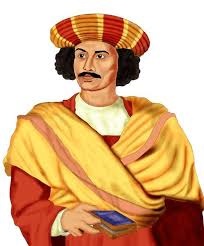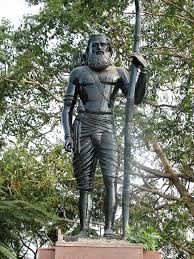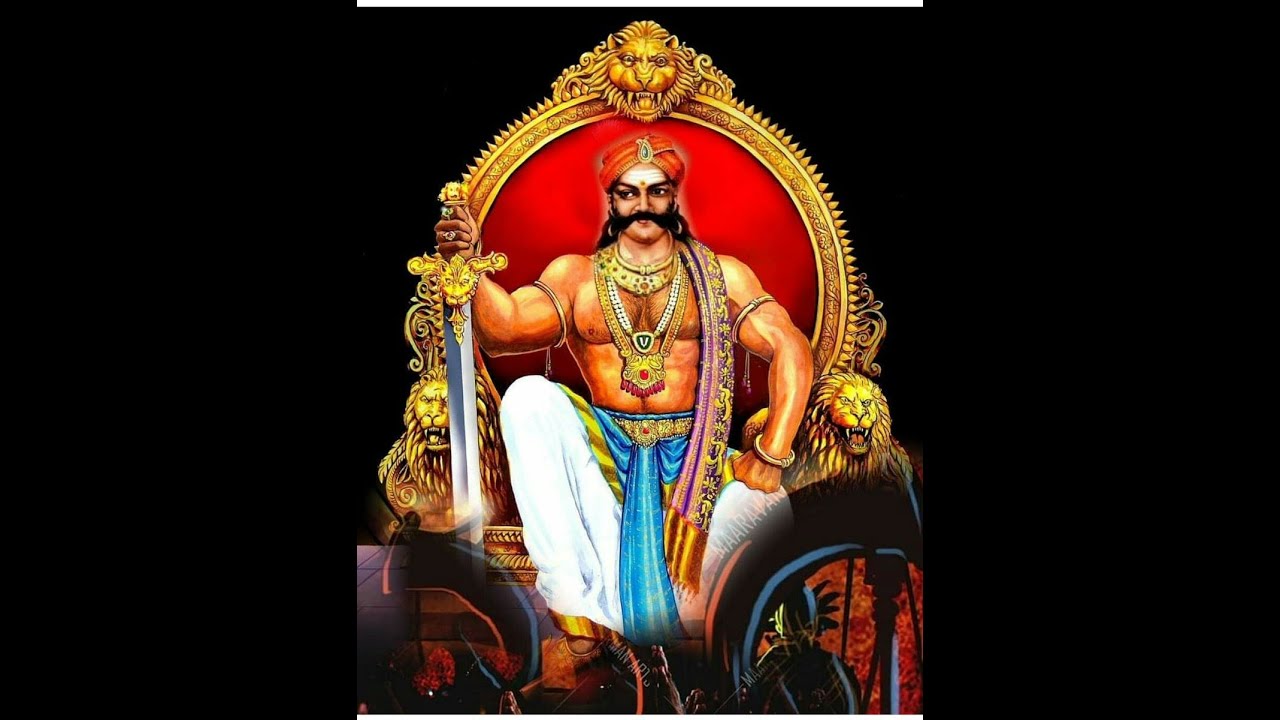
Puli Thevar
Pulithevan (Puli Thevar): The First Tamil Freedom Fighter Who Defied British Rule
Pulithevan (1715–1767), popularly known as Puli Thevar, was a legendary Tamil Palaiyakkarar (Poligar) and one of the earliest Indian freedom fighters who openly resisted the British East India Company. He ruled Nerkattancheval in present-day Sankarankoil taluk, Tenkasi district, Tamil Nadu, and played a key role in the Poligar Revolts of South India.
Long before the Revolt of 1857, Pulithevan stood as a symbol of courage, independence, and Tamil resistance against colonial domination.
Who Was Pulithevan?
Pulithevan was born in 1715 and emerged as a fearless chieftain of Pulithevan Nadu, a historic region rooted in the Pandyan Kingdom. By the mid-18th century, he became one of the first native rulers to challenge British authority militarily and politically.
He began active resistance against the East India Company on 22 May 1752 and continued his struggle until his death in 1767.
Pulithevan and the British East India Company
Pulithevan strongly opposed British interference in Tamil territories and taxation policies. His resistance marked one of the earliest organized armed struggles against British colonial expansion in India.
- He fought the British for nearly 15 years
- His son-in-law, the Vadakarai King, served as a chief general of his army
- He maintained a strategic alliance with the Kingdom of Travancore
- His rebellion inspired other Poligars across Tamil Nadu
These actions made Pulithevan a central figure in the Poligar Revolts, a major chapter in South Indian resistance history.
Pulithevan Nadu – Historical Significance
Pulithevan Nadu was one of the Aganadus (administrative divisions) of the ancient Pandyan Kingdom, with origins dating back to the Sangam Age.
- Established under Pandyan rule in 1378 CE
- Founded by Pandyan ruler Varaguna Raman
- Initially had Avudaiyapura as its capital
- Later shifted to Nerkattancheval
During the Nayakkar dynasty (1529–1564), the region was divided into 72 Palayams. As Nayakkar power declined, Palayakkarars like Pulithevan gained greater autonomy and influence.
Meaning and Legacy of the Name “Pulithevan”
The name Pulithevan reflects strength, leadership, and nobility. According to local tradition, he was skilled in taming wild elephants that threatened villages and farmlands.
Because of his extraordinary abilities and character, he earned several honorific titles:
- Panaiyarko – Tamer of elephants
- Maelvaaram Thanmaiyo – Unmatched generosity
- Vari – A precious gem
- Aavudaiyapuran Nerkattancheval – Chieftain of Nerkattancheval
People compared him to a radiant pearl among pearls, symbolizing his rare courage and brilliance.
Pulithevan Timeline (Quick History)
| Year | Event |
|---|---|
| 1715 | Birth of Pulithevan |
| 1378 CE | Pulithevan Nadu comes under Pandyan rule |
| 1752 (May 22) | Begins armed resistance against British |
| 1755 | Emerges as a leading Poligar warrior |
| 1752–1767 | Continuous battles with East India Company |
| 1767 | Death of Pulithevan |
| Post-1767 | Legacy inspires later Poligar revolts |
Key Facts About Pulithevan
- ✅ One of the first freedom fighters of India
- ✅ Ruled Nerkattancheval, Tamil Nadu
- ✅ Opposed the British East India Company before 1757
- ✅ Leader of the Poligar Revolts
- ✅ Maintained alliance with Travancore Kingdom
- ✅ Celebrated in Tamil folk songs and oral history
- ✅ Symbol of Tamil pride and resistance
Why Pulithevan Is Important in Indian History
Pulithevan’s struggle predates major national movements and proves that India’s freedom struggle began much earlier than commonly believed. His life reflects the courage of Tamil Palaiyakkarars who refused to surrender their land, dignity, and independence.
Today, Pulithevan is remembered as:
- A pioneer of anti-colonial resistance
- A Tamil warrior-king
- A symbol of fearlessness and self-rule
Pulithevan history, Puli Thevar freedom fighter, Poligar revolt, Tamil freedom fighters, Nerkattancheval history, Pulithevan Nadu, early Indian freedom struggle
About the Author