Early Life and Education
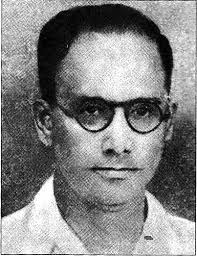
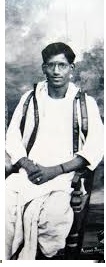
Kovai Subri, originally named Subramaniam, was born on 20 April 1898 in Coimbatore, Tamil Nadu. He was the fifth child of S. V. R. Krishna Iyer, a prominent advocate, and Parvathi Ammal. Inspired by the ideals of Mahatma Gandhi during his youth, Subri developed a strong sense of patriotism.
Although he pursued higher education, he chose to discontinue his studies to actively participate in India’s struggle for independence. His decision reflected his deep commitment to national service and social reform.
Education & Skills
Kovai Subri received his early education in Coimbatore and attended college before leaving his studies to join the freedom movement. While he did not complete formal higher education, he possessed several remarkable skills that contributed to his effectiveness as a leader:
- Exceptional public speaking abilities.
- Strong organizational and leadership skills.
- Fluency in Tamil and proficiency in translating speeches into language accessible to ordinary people.
- Dedication to the principles of Khadi, self-reliance, and Gandhian philosophy.
- Talent for composing devotional songs and patriotic literature.
His powerful voice earned him recognition from Gandhi himself.
Contribution to Tamil Literature
Though primarily known as a freedom fighter, Kovai Subri also contributed to Tamil literary heritage through his devotional compositions.
During his imprisonment, he composed 426 devotional songs dedicated to Lord Murugan. These songs were later compiled and published under the title “Muruga Ganam.” The collection reflects his spiritual devotion, literary talent, and resilience during difficult times.
The work continues to be appreciated by devotees and lovers of Tamil devotional literature.
Role in India’s Freedom Movement
Kovai Subri played a significant role in the Indian independence movement, particularly in the Coimbatore region.
His contributions include:
- Joining the Town Congress Committee in Coimbatore as its Secretary in 1921.
- Participating in the Flag Satyagraha, for which he was imprisoned for one year.
- Taking part in the Salt Satyagraha.
- Enduring imprisonment on multiple occasions and spending nearly five years in British prisons.
- Establishing a Khadi Centre at Padiyur near Uthukuli, promoting self-sufficiency and Gandhian ideals.
- Serving as the Tamil translator for Gandhi during his visits to Coimbatore and the Nilgiris.
Gandhi affectionately referred to him as “The Loudspeaker” because of his commanding voice and effective communication skills. Gandhi praised him in Young India, describing him as a person of innocence and selfless service.
Following independence, Kovai Subri served as:
- Chairman of the Coimbatore Municipality (1938–1942).
- Member of the Legislative Assembly (MLA) for Coimbatore City (1947–1952).
He was instrumental in the establishment of Gandhi Park in Coimbatore.
Personal Life
Kovai Subri married Kamala (Kamalammal) on 14 November 1926. She was the daughter of A. Natesa Iyer, an advocate and teacher from Pollachi.
Kamala shared her husband’s nationalist ideals and actively participated in the freedom movement. During the Salt Satyagraha of 1930, she was arrested while carrying their six-month-old daughter. She was imprisoned again in 1932 for her involvement in civil disobedience activities.
Their marriage exemplified mutual dedication to the cause of India’s independence.
Death
Kovai Subri passed away in 1993 at the age of 95. Interestingly, he and his wife Kamala died within a week of each other, marking the end of a lifelong partnership rooted in patriotism and service to the nation.
Conclusion
Kovai Subri remains one of Tamil Nadu’s distinguished yet lesser-known freedom fighters. His unwavering commitment to the Indian independence movement, repeated sacrifices through imprisonment, promotion of Gandhian principles, and contributions to Tamil devotional literature make him a remarkable figure in India’s history.
Remembered as Gandhi’s “Loudspeaker,” Kovai Subri dedicated his life to the ideals of freedom, social responsibility, and cultural enrichment. His story continues to inspire future generations to serve society with courage, integrity, and compassion.
About the Author