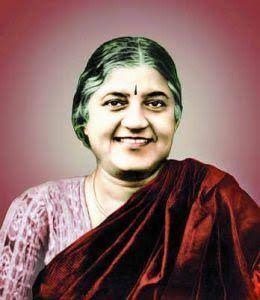
Dr. T. S. Soundaram Ramachandran (18 August 1904 – 21 October 1984) was an Indian physician, freedom fighter, social reformer, educationist, and politician. She dedicated her life to rural development, healthcare, women’s empowerment, and education. Along with her husband Dr. G. Ramachandran, she founded Gandhigram, a pioneering institution for rural reconstruction inspired by Mahatma Gandhi’s ideals. In recognition of her exceptional contributions to social work, the Government of India awarded her the Padma Bhushan in 1962.
1. Introduction
Dr. T. S. Soundaram, popularly known as Dr. Soundaram Amma, was one of India’s leading Gandhian social workers. Trained as a physician, she devoted her career to improving healthcare, education, sanitation, and economic opportunities in rural India. She founded hospitals, educational institutions, and community development programmes that transformed the lives of thousands of people. She also served as a Member of the Tamil Nadu Legislative Assembly, Member of Parliament, and Union Deputy Minister for Education.
2. Quick Facts
| Information | Details |
|---|---|
| Full Name | Dr. T. S. Soundaram Ramachandran |
| Popular Name | Dr. Soundaram Amma |
| Date of Birth | 18 August 1904 |
| Place of Birth | Tirunelveli, Madras Presidency, British India (present-day Tamil Nadu, India) |
| Date of Death | 21 October 1984 |
| Place of Death | Dindigul, Tamil Nadu, India |
| Nationality | Indian |
| Profession | Physician, Social Reformer, Politician |
| Field of Achievement | Social Work, Rural Development, Healthcare, Education |
| Years Active | 1930s–1984 |
| Known For | Founder of Gandhigram; Rural healthcare and education |
3. Award Information
| Field | Details |
|---|---|
| Award Name | Padma Bhushan |
| Award Category | Social Work |
| Award Year | 1962 |
| Presented By | President of India |
| Date of Ceremony | 1962 Investiture Ceremony |
| Official Citation | Distinguished contributions to social work and rural development |
| Awarding Authority | Government of India |
Dr. Soundaram received the Padma Bhushan in 1962 for her lifelong service to rural welfare, healthcare, education, and social reform.
4. Why Did She Receive the Padma Bhushan?
Dr. T. S. Soundaram was honoured with the Padma Bhushan for:
- Transforming rural healthcare in South India.
- Establishing Gandhigram as a model for rural development.
- Founding Kasturba Hospital for rural communities.
- Promoting women’s education and empowerment.
- Advancing Gandhian ideals of self-reliance and village development.
- Outstanding contributions to public service and social welfare.
5. Early Life
Dr. Soundaram was born on 18 August 1904 in Tirunelveli, Tamil Nadu. She was the daughter of T. V. Sundaram Iyengar, founder of the TVS Group, one of India’s leading industrial conglomerates. She was married at the age of fourteen but became widowed while still young. Encouraged by her family, she continued her education and enrolled at Lady Hardinge Medical College in New Delhi, where she earned her medical degree. During her student years, she met Mahatma Gandhi, whose ideals profoundly influenced her life and career.
6. Education
- Early education in Tamil Nadu.
- MBBS from Lady Hardinge Medical College, New Delhi.
- Studied under the influence of Gandhian thinkers while pursuing medicine.
- Dedicated her medical career to serving rural communities rather than private practice.
7. Career Journey
Freedom Movement
While studying medicine, Dr. Soundaram became associated with India’s freedom struggle through Sushila Nayyar and Mahatma Gandhi. She later married Gandhian leader Dr. G. Ramachandran in 1940 with Gandhi’s blessing.
Gandhigram
After Independence, Gandhi encouraged her to establish a rural development centre in South India. In 1947, she and her husband founded Gandhigram, which focused on healthcare, education, sanitation, village industries, and women’s welfare. The institution later evolved into the Gandhigram Rural Institute, now a deemed university.
Healthcare
She established Kasturba Hospital at Chinnalapatti as a small two-bed clinic. Under her leadership, it grew into a major rural healthcare institution serving thousands of patients.
Political Career
- Member of the Madras Legislative Assembly (1952–1962).
- Member of Lok Sabha representing Dindigul (1962–1967).
- Served as Union Deputy Minister for Education in the Government of India, where she helped promote free primary education and supported the launch of the National Service Scheme (NSS).
8. Major Achievements
- Founder of Gandhigram.
- Founder of Kasturba Hospital.
- Co-founder of the Gandhigram Rural Institute.
- Pioneer of integrated rural development.
- Member of Parliament from Dindigul.
- Union Deputy Minister for Education.
- Instrumental in expanding free primary education.
- Helped establish the National Service Scheme (NSS).
- Awarded the Padma Bhushan in 1962.
9. Contribution to the Nation
Dr. Soundaram contributed significantly by:
- Improving healthcare access in rural India.
- Promoting education for women and children.
- Empowering villages through self-reliance and community development.
- Supporting Gandhian principles of sustainable rural living.
- Influencing national education policy.
- Creating institutions that continue to serve society decades after her lifetime.
10. Other Awards and Honours
- Padma Bhushan (1962) – Government of India.
- A commemorative postage stamp was issued in her honour in 2005.
- Remembered as one of Tamil Nadu’s foremost social reformers and rural development pioneers.
11. Legacy and Influence
Dr. Soundaram’s legacy lives on through Gandhigram Rural Institute, Kasturba Hospital, and numerous rural development programmes inspired by her vision. Her work demonstrated how healthcare, education, women’s empowerment, and economic development could be integrated to improve rural life. She remains an enduring symbol of Gandhian social service in India.
12. Interesting Facts
- She was the daughter of T. V. Sundaram Iyengar, founder of the TVS Group.
- She became a doctor after being widowed at a young age.
- Mahatma Gandhi personally supported her marriage to G. Ramachandran.
- She founded Kasturba Hospital, which grew from a two-bed clinic into a major rural hospital.
- She helped introduce free primary education across India.
- She played an important role in establishing the National Service Scheme (NSS).
- A commemorative postage stamp was released in her honour in 2005.
13. Quotes
No widely authenticated quotations by Dr. T. S. Soundaram are available in reliable historical sources. For historical accuracy, it is best not to attribute unverified quotes to her.
14. Timeline
| Year | Event |
|---|---|
| 1904 | Born in Tirunelveli, Tamil Nadu |
| 1936 | Graduated in Medicine from Lady Hardinge Medical College |
| 1940 | Married Dr. G. Ramachandran |
| 1947 | Founded Gandhigram and Kasturba Hospital |
| 1952 | Elected to Madras Legislative Assembly |
| 1962 | Awarded the Padma Bhushan; elected to Lok Sabha |
| 1962 | Appointed Union Deputy Minister for Education |
| 1984 | Passed away in Dindigul |
15. References
- T. S. Soundaram – Wikipedia.
- CME India – History Today in Medicine: Dr. T. S. Soundaram.
- Government of India – Padma Awards.
- Azadi Ka Amrit Mahotsav – Dr. S. Soundaram.
16. Related Personalities
- Mahatma Gandhi – Inspired her rural development work.
- Dr. G. Ramachandran – Gandhian leader and co-founder of Gandhigram.
- Dr. Sushila Nayyar – Physician, freedom fighter, and close associate of Gandhi.
- T. V. Sundaram Iyengar – Founder of the TVS Group and her father.
- Kasturba Gandhi – Gandhigram and Kasturba Hospital were established in her memory and inspired by her ideals.
17. Frequently Asked Questions (FAQ)
1. Who was T. S. Soundaram?
Dr. T. S. Soundaram was an Indian physician, freedom fighter, social reformer, politician, and founder of Gandhigram, known for her work in rural healthcare and education.
2. Why is T. S. Soundaram famous?
She is famous for establishing Gandhigram, founding Kasturba Hospital, promoting rural development, and serving as Union Deputy Minister for Education.
3. Which award did T. S. Soundaram receive?
She received the Padma Bhushan in 1962 for her distinguished contributions to social work.
4. What is Gandhigram?
Gandhigram is a rural development institution founded by Dr. T. S. Soundaram and Dr. G. Ramachandran in 1947. It later became the Gandhigram Rural Institute, a deemed university dedicated to rural education and development.
5. What was her contribution to education?
As Union Deputy Minister for Education, she supported free primary education and helped establish the National Service Scheme (NSS) to encourage youth participation in community service.
6. What was her role in healthcare?
She founded Kasturba Hospital, beginning with a two-bed clinic that grew into a major rural healthcare institution serving underserved communities.
7. What is Dr. T. S. Soundaram’s legacy?
She is remembered as one of India’s greatest Gandhian social reformers, whose work in rural healthcare, education, and community development continues through Gandhigram and its associated institutions.
About the Author