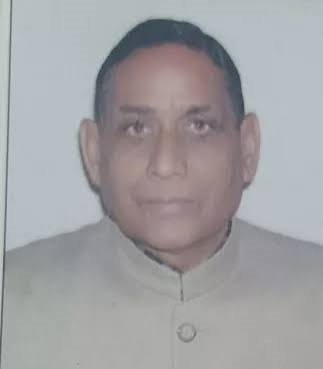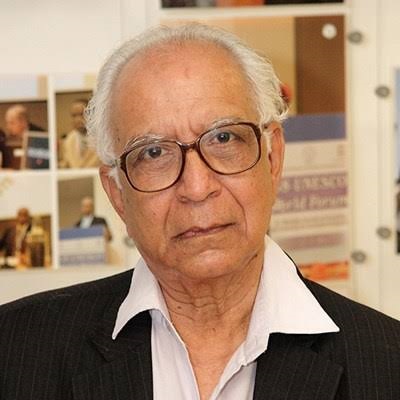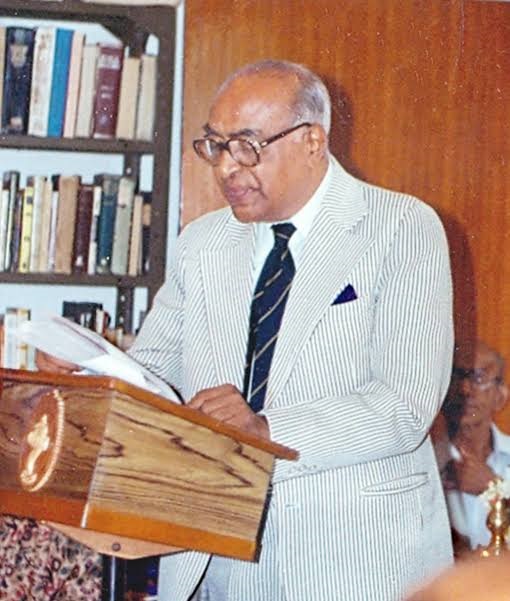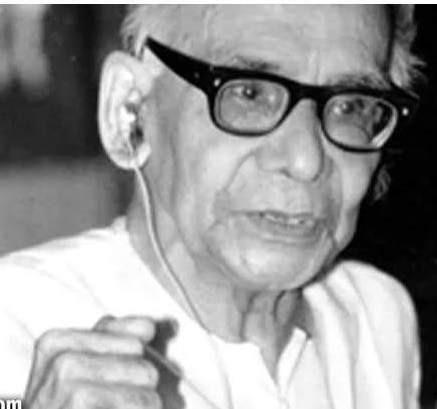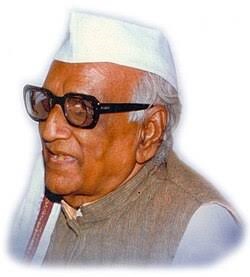
Moturi Satyanarayana (2 February 1902 – 6 March 1995) was an Indian freedom fighter, educationist, social worker, Hindi promoter, linguist, and parliamentarian. He played an important role in the promotion of Hindi in South India and was a member of the Constituent Assembly of India, which drafted the Indian Constitution. He was also a nominated member of the Rajya Sabha and received the Padma Bhushan in 1962 for his contributions to Public Affairs.
1. Introduction
Moturi Satyanarayana was one of the important figures in India’s language and education movements during the twentieth century. A close follower of Mahatma Gandhi, he worked for national integration through language education and played a significant role in spreading Hindi in southern India. He contributed to India’s freedom movement, participated in constitution-making, and worked extensively in public affairs after independence.
2. Quick Facts
| Information | Details |
|---|---|
| Full Name | Moturi Satyanarayana |
| Native Name | మోటూరి సత్యనారాయణ (Telugu) |
| Date of Birth | 2 February 1902 |
| Place of Birth | Dondapadu village, Krishna district, Andhra Pradesh, British India |
| Date of Death | 6 March 1995 |
| Nationality | Indian |
| Profession | Freedom Fighter, Educationist, Linguist, Politician |
| Field of Achievement | Public Affairs, Language Promotion, Education |
| Years Active | 1920s–1990s |
| Known For | Hindi promotion, Constituent Assembly membership, Rajya Sabha service |
3. Award Information
| Field | Details |
|---|---|
| Award Name | Padma Bhushan |
| Award Category | Public Affairs |
| Award Year | 1962 |
| Presented By | Government of India / President of India |
| Date of Ceremony | 1962 Investiture Ceremony |
| Official Reason | Distinguished contribution to public affairs and national service |
| Awarding Authority | Government of India |
The 1962 Padma Bhushan list included Shri Moturi Satyanarayana – Public Affairs, Tamil Nadu.
4. Why Did He Receive the Padma Bhushan?
Moturi Satyanarayana received the Padma Bhushan because of his:
- Contribution to India’s freedom movement.
- Role in the Constituent Assembly.
- Work in promoting education and Indian languages.
- Service in public affairs and parliamentary life.
- Efforts to spread Hindi education, especially in South India.
5. Early Life
Moturi Satyanarayana was born on 2 February 1902 in Dondapadu village of Krishna district, Andhra Pradesh. He belonged to a Telugu-speaking family and developed an early interest in languages and education. He studied Telugu, Hindi, and English, which later shaped his lifelong mission of language development and national integration.
6. Education
- Received early education in Andhra Pradesh.
- Studied at National College, Machilipatnam.
- Learned Telugu, Hindi, and English.
- Developed deep interest in Indian languages and education.
7. Career Journey
Early Social and Language Work
Moturi joined the Dakshina Bharat Hindi Prachar Sabha, an organisation founded by Mahatma Gandhi to promote Hindi in southern India. He gradually rose to become its Principal Secretary and devoted decades to Hindi education.
Freedom Movement
He was associated with Mahatma Gandhi’s ideals and participated in India’s independence movement. During the Quit India Movement of 1942, he was imprisoned for his involvement.
Journalism and Publications
He edited several publications, including:
- Hindi Pracharak
- Hindi Prachar Samachar
- Dakshina Bharat
Through these journals, he promoted language learning and cultural awareness.
Role in Constitution Making
Moturi Satyanarayana was a member of the Constituent Assembly of India. He participated in debates concerning India’s official language policy and supported the promotion of Hindi while recognizing India’s linguistic diversity.
Parliamentary Career
After independence:
- Served in the Provisional Parliament of India (1950–1952).
- Became a nominated member of the Rajya Sabha (1954–1966).
- Worked with various educational and cultural institutions.
8. Major Achievements
- Member of the Constituent Assembly of India.
- Key figure in promoting Hindi education in South India.
- Principal Secretary of Dakshina Bharat Hindi Prachar Sabha.
- Nominated member of Rajya Sabha for two terms.
- Founder Secretary of Telugu Bhasha Samiti.
- Received the Padma Bhushan in 1962.
9. Contribution to the Nation
Moturi Satyanarayana contributed to India through:
- Supporting the freedom struggle.
- Helping shape India’s language policy.
- Promoting education through Indian languages.
- Encouraging cultural exchange between different regions.
- Strengthening democratic institutions through parliamentary service.
10. Other Awards and Honours
- Padma Bhushan (1962) – Government of India.
- Padma Shri (1958) – Government of India.
- Kala Prapoorna Award (1977) – Andhra University.
11. Legacy and Influence
Moturi Satyanarayana is remembered as a bridge between language, education, and national integration. His work helped expand Hindi education in southern India while also supporting the importance of Indian regional languages. Institutions and awards associated with his name continue to recognize contributions to Hindi and language promotion.
12. Interesting Facts
- He was a close follower of Mahatma Gandhi’s ideas.
- He worked for the spread of Hindi in South India for several decades.
- He was part of the Constituent Assembly that drafted India’s Constitution.
- He served two terms in the Rajya Sabha.
- The Padmabhushan Dr. Moturi Satyanarayan Award was established in his honour to recognize contributions to Hindi language promotion.
13. Quotes
No widely authenticated collection of personal quotations by Moturi Satyanarayana is available in reliable historical records.
14. Timeline
| Year | Event |
|---|---|
| 1902 | Born in Dondapadu, Andhra Pradesh |
| 1920s | Joined Hindi promotion activities |
| 1926 | Became associated with Hindi Prachar activities |
| 1942 | Participated in Quit India Movement and was imprisoned |
| 1946–1950 | Member of Constituent Assembly |
| 1950–1952 | Member of Provisional Parliament |
| 1954–1966 | Nominated member of Rajya Sabha |
| 1962 | Awarded Padma Bhushan |
| 1977 | Received Kala Prapoorna Award |
| 1995 | Passed away on 6 March |
15. References
- Government of India – Padma Awards Dashboard.
- Moturi Satyanarayana biography.
- Constitution of India – Moturi Satyanarayana profile.
- Padmabhushan Dr. Moturi Satyanarayan Award information.
16. Related Personalities
- Mahatma Gandhi – Founder of Dakshina Bharat Hindi Prachar Sabha and inspiration behind Moturi’s language work.
- Rajendra Prasad – President of the Constituent Assembly and first President of India.
- Jawaharlal Nehru – First Prime Minister of India.
- Potti Sreeramulu – Telugu language activist and social reformer.
- K. M. Munshi – Member of the Constituent Assembly involved in language and cultural matters.
17. Frequently Asked Questions (FAQ)
1. Who was Moturi Satyanarayana?
Moturi Satyanarayana was an Indian freedom fighter, educationist, linguist, and parliamentarian known for promoting Hindi education and contributing to India’s public life.
2. Which award did Moturi Satyanarayana receive?
He received the Padma Bhushan in 1962 in the category of Public Affairs.
3. What was Moturi Satyanarayana’s role in the Constitution?
He was a member of the Constituent Assembly of India and participated in discussions related to language policy.
4. Why is he remembered?
He is remembered for his contributions to India’s freedom movement, language education, Hindi promotion, and parliamentary service.
5. Which organization was he associated with?
He was closely associated with the Dakshina Bharat Hindi Prachar Sabha, where he worked to spread Hindi education in southern India.
6. When did Moturi Satyanarayana die?
He passed away on 6 March 1995 at the age of 93.
7. What is the Moturi Satyanarayana Award?
It is an award named after him that recognizes outstanding contributions to the promotion of Hindi language and literature.
About the Author