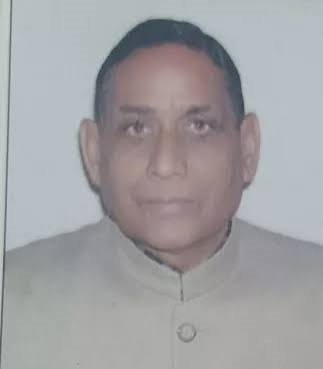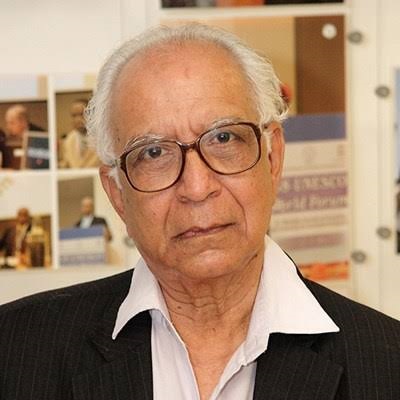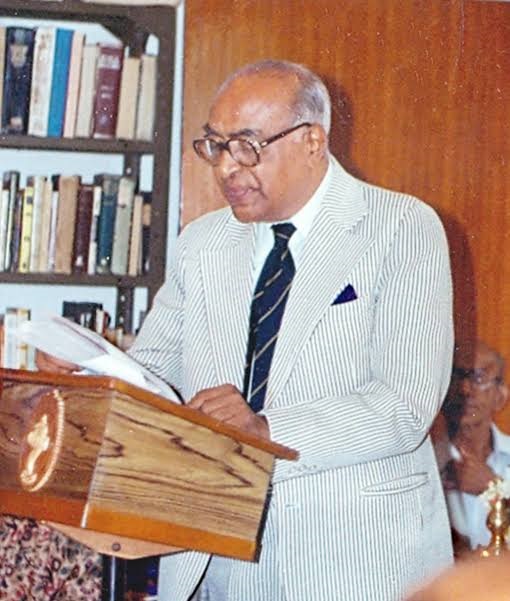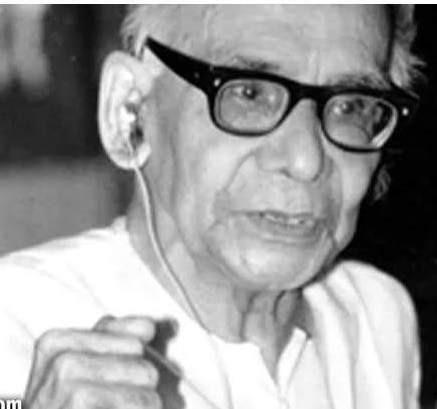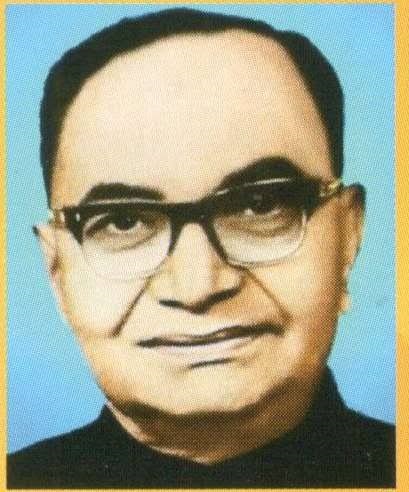
Dr. Dukhan Ram (15 July 1899 – 16 April 1990) was a distinguished Indian ophthalmologist, medical academic, educationist, and public servant. He served as the Principal of Patna Medical College, Vice-Chancellor of Babasaheb Bhimrao Ambedkar Bihar University, and President of the All India Ophthalmological Society. In recognition of his outstanding contributions to medicine, the Government of India awarded him the Padma Bhushan in 1962.
1. Introduction
Dr. Dukhan Ram was one of India’s pioneering ophthalmologists and medical educators. Throughout his long career, he worked to improve medical education, ophthalmology, and ENT training in India. Besides his contributions to healthcare, he also served in public life as a member of the Bihar Legislative Assembly and held leadership positions in several academic and medical organizations. His dedication to medicine and education made him one of Bihar’s most respected physicians.
2. Quick Facts
| Information | Details |
|---|---|
| Full Name | Dukhan Ram |
| Date of Birth | 15 July 1899 |
| Place of Birth | Sasaram, Bihar, British India |
| Date of Death | 16 April 1990 |
| Place of Death | Patna, Bihar, India |
| Nationality | Indian |
| Profession | Ophthalmologist, Medical Academic, Educationist |
| Field of Achievement | Medicine (Ophthalmology) |
| Years Active | 1926–1990 |
| Known For | Principal of Patna Medical College; Vice-Chancellor of B. R. Ambedkar Bihar University |
3. Award Information
| Field | Details |
|---|---|
| Award Name | Padma Bhushan |
| Award Category | Medicine |
| Award Year | 1962 |
| Presented By | President of India |
| Date of Ceremony | 1962 Investiture Ceremony |
| Official Citation | Distinguished services in the field of Medicine |
| Awarding Authority | Government of India |
The 1962 Padma Awards Gazette listed him as “Dr. Dukhan Ram, Ophthalmic Surgeon, Patna.”
4. Why Did He Receive the Padma Bhushan?
Dr. Dukhan Ram received the Padma Bhushan for:
- Outstanding contributions to ophthalmology.
- Excellence in medical education.
- Development of ophthalmology and ENT training in India.
- Distinguished service as Principal of Patna Medical College.
- Leadership in India’s medical profession through national organizations.
5. Early Life
Dukhan Ram was born on 15 July 1899 in Sasaram, Bihar, into a family of modest means. His father died when he was only four years old, making his childhood financially challenging. Despite these hardships, he continued his education with the help of scholarships and by working as a tutor and garment seller during vacations. His determination enabled him to pursue a medical career.
6. Education
- Early education in Shahabad district (present-day Bihar).
- Studied at Calcutta Medical College.
- Completed Bachelor of Science (B.Sc.) in 1925.
- Earned his medical degree in 1926.
- Completed internship at Patna Medical College.
- Pursued higher studies in Ophthalmology (DLO and DOMS) at the Royal College of Surgeons, London.
7. Career Journey
Early Medical Career
After returning from the United Kingdom in 1934, Dr. Dukhan Ram joined Patna Medical College as a faculty member in the Department of Ophthalmology and Otorhinolaryngology (ENT).
Professor and Principal
He became Professor in 1944 and later served as Principal of Patna Medical College, where he introduced postgraduate courses such as:
- Diploma in Ophthalmology (DO)
- Diploma in Laryngology and Otology (DLO)
- M.S. (Eye)
- M.S. (ENT)
Academic Leadership
He later became Vice-Chancellor of Babasaheb Bhimrao Ambedkar Bihar University, strengthening higher education and medical research.
Public Service
In 1962, he was elected to the Bihar Legislative Assembly from Sasaram as an Indian National Congress candidate.
8. Major Achievements
- Principal of Patna Medical College.
- Vice-Chancellor of Babasaheb Bhimrao Ambedkar Bihar University.
- President of the All India Ophthalmological Society (1961).
- President of the Bihar branch of the Indian Medical Association.
- Founder-President of the Institute of Administrative Studies (IASINDIA).
- Founder Fellow of the National Academy of Medical Sciences (NAMS).
- Awarded the Padma Bhushan in 1962.
9. Contribution to the Nation
Dr. Dukhan Ram contributed to India by:
- Advancing ophthalmology and ENT education.
- Expanding postgraduate medical training.
- Improving healthcare education in Bihar.
- Mentoring generations of doctors.
- Promoting medical research and professional organizations.
- Serving the public through both medicine and elected office.
10. Other Awards and Honours
- Padma Bhushan (1962) – Government of India.
- Rai Sahib title (1945).
- Founder Fellow of the National Academy of Medical Sciences.
- A school in Patna, Dr. Dukhan Ram DAV Public School, is named in his honour.
- The Dr. Dukhan Ram Memorial Oration is organized annually by the Association of Otorhinolaryngologists of India (Bihar and Jharkhand branch).
11. Legacy and Influence
Dr. Dukhan Ram is remembered as one of Bihar’s greatest medical educators and ophthalmologists. His reforms at Patna Medical College strengthened specialist medical education in eastern India, while his leadership in professional medical organizations helped improve standards of healthcare across the country. His legacy continues through institutions and memorial lectures established in his name.
12. Interesting Facts
- He lost his father at the age of four.
- He financed part of his education through scholarships and part-time work.
- He received advanced ophthalmology training in London.
- He served as President of the All India Ophthalmological Society.
- He was elected to the Bihar Legislative Assembly in 1962.
- A DAV Public School in Patna bears his name.
- An annual Dr. Dukhan Ram Memorial Oration honours his contributions to medicine.
13. Quotes
There are no widely authenticated quotations by Dr. Dukhan Ram available in reliable historical records. For accuracy, it is best not to attribute unverified quotes to him.
14. Timeline
| Year | Event |
|---|---|
| 1899 | Born in Sasaram, Bihar |
| 1925 | Completed B.Sc. |
| 1926 | Graduated in Medicine from Calcutta Medical College |
| 1934 | Joined Patna Medical College after higher studies in London |
| 1944 | Became Professor of Ophthalmology |
| 1945 | Awarded the title Rai Sahib |
| 1961 | President, All India Ophthalmological Society |
| 1962 | Awarded the Padma Bhushan and elected MLA from Sasaram |
| 1990 | Passed away in Patna |
15. References
- Dukhan Ram – Wikipedia.
- Government of India – Padma Awards Notification (1962).
- Padma Awards Dashboard – Government of India.
16. Related Personalities
- Raghunath Saran – Physician and Padma Bhushan awardee.
- Sudhansu Sobhan Maitra – Physician and Padma Bhushan recipient.
- Daulat Singh Kothari – Scientist and educationist.
- Dayanand Saraswati – Founder of Arya Samaj, with which Dukhan Ram was associated.
- Rajendra Prasad – First President of India and fellow eminent figure from Bihar.
17. Frequently Asked Questions (FAQ)
1. Who was Dukhan Ram?
Dr. Dukhan Ram was an Indian ophthalmologist, medical educator, academic administrator, and Padma Bhushan awardee known for his contributions to ophthalmology and medical education.
2. Why is Dukhan Ram famous?
He is known for serving as Principal of Patna Medical College, Vice-Chancellor of Babasaheb Bhimrao Ambedkar Bihar University, and for advancing ophthalmology education in India.
3. Which award did Dukhan Ram receive?
He received the Padma Bhushan in 1962 for his distinguished contributions to Medicine.
4. Where did Dukhan Ram study medicine?
He graduated from Calcutta Medical College and later pursued advanced ophthalmology training at the Royal College of Surgeons, London.
5. What were his major contributions?
He introduced postgraduate medical courses, led Patna Medical College, served as Vice-Chancellor, and strengthened ophthalmology education and professional medical organizations in India.
6. Did Dukhan Ram serve in politics?
Yes. He was elected to the Bihar Legislative Assembly from Sasaram in 1962 as an Indian National Congress candidate.
7. What is Dukhan Ram’s legacy?
He is remembered as one of India’s pioneering ophthalmologists and medical educators, whose contributions continue through institutions, memorial lectures, and the many students he trained.
About the Author