1. Introduction
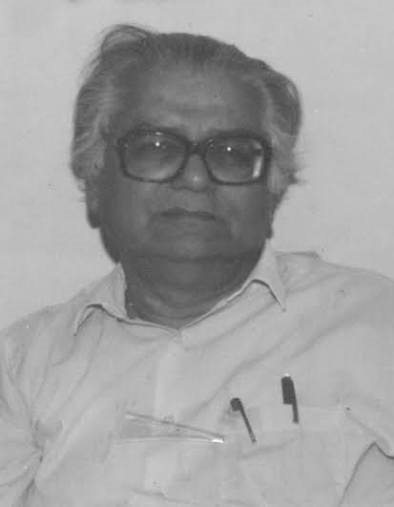
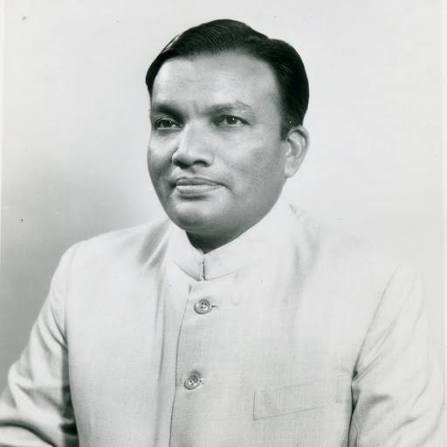
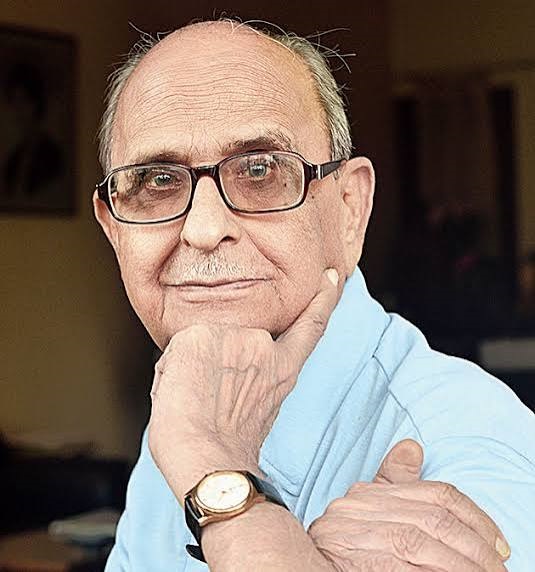
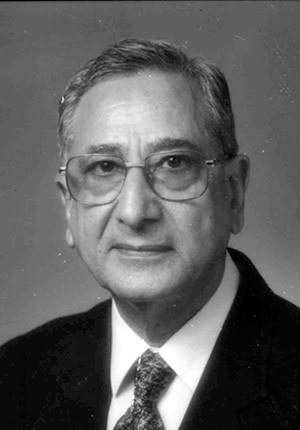
Professor Virender Lal Chopra (1936–2020) was a legendary Indian agricultural scientist, geneticist, and biotechnologist. Often regarded as a pillar of modern Indian agricultural science, he played a transformative role in steering India toward food security. From serving as the Director-General of the Indian Council of Agricultural Research (ICAR) to influencing national policy as a member of the Planning Commission of India, Professor Chopra’s lifetime of work transformed crop improvement, plant breeding, and rural livelihoods across the nation.
2. Quick Facts
- Full Name: Virender Lal Chopra
- Native Name: वीरेंदर लाल चोपड़ा
- Date of Birth: August 9, 1936
- Place of Birth: Adhwal, Rawalpindi District, Punjab, British India (now in Pakistan)
- Nationality: Indian
- Occupation / Profession: Biotechnologist, Geneticist, Agriculturalist, and Academician
- Field of Achievement: Agricultural Science, Plant Breeding, and Crop Genetics
- Years Active: 1958 – 2020
3. Award Information (Focus: Padma Bhushan)
- Award Name: Padma Bhushan
- Award Category: Civil Honour (Third Highest Civilian Award in India)
- Award Year: 1985
- Presented By: Government of India (Republic Day Honors List)
- Date of Ceremony: March/April 1985 (Traditional Rashtrapati Bhavan Investiture)
- Citation / Official Reason: For his pioneering and stellar contributions to agricultural science and research.
4. Why He Received the Award
Professor Chopra was awarded the Padma Bhushan in recognition of his monumental research contributions to agricultural genetics and biotechnology. His work directly aided India’s agricultural capabilities, particularly in enhancing wheat and field crop productivity, managing agricultural research infrastructure, and mentoring generations of scientists to secure the country’s agricultural future.
5. Early Life
Virender Lal Chopra was born on August 9, 1936, in Adhwal—a small village in the Punjab province of British India—into a Punjabi Hindu Khatri family to parents Harbans Lal and Sukhwanti. Ahead of the Partition of India, his family migrated and settled in Delhi. Growing up in the capital, he completed his formative schooling at the prestigious Ramjas School, Delhi, where his keen interest in the natural sciences began to take root.
6. Education
- Schooling: Ramjas School, Delhi
- Graduation: Central College of Agriculture, Delhi University
- Post-Graduation: Associateship from the Indian Agricultural Research Institute (IARI), New Delhi
- Doctorate (Ph.D.): Institute of Genetics, University of Edinburgh, Scotland, UK (in Genetics)
- Post-Doctoral Research: University of Cologne, Germany
7. Career Journey
- 1958: Began his active research career at IARI.
- 1979: Appointed Director of the Indian Agricultural Research Institute (IARI), managing national genetics and biotechnology research.
- 1984–1985: Served as Professor of Genetics at IARI, later transitioning to the National Research Centre on Plant Biotechnology as Professor of Eminence and Director.
- 1986–1990: Member of the Scientific Advisory Committee to the Prime Minister of India.
- 1990–1991: Worked overseas in Vietnam as the Chief Technical Adviser for a Food and Agriculture Organization (FAO) assignment.
- 1992–1994: Appointed Secretary to the Government of India and Director-General of the Indian Council of Agricultural Research (ICAR).
- 2004–2009: Served as a Member of the Planning Commission of India, shaping national economic and agricultural developmental policies.
- Later Roles: Chancellor of the Central University of Kerala and Central Agricultural University, Imphal.
8. Major Achievements
- Authored and edited numerous seminal textbooks on plant breeding, applied genetics, and biotechnology, including Plant Breeding: Theory and Practice and Search for New Genes.
- Held leadership roles on the Board of Trustees for global agricultural organizations like the International Rice Research Institute (IRRI), ICRISAT, and CIMMYT.
- Elected Fellow of prestigious scientific institutions, including the Indian National Science Academy (INSA), Indian Academy of Sciences, National Academy of Sciences (India), European Academy of Sciences and Arts, and The World Academy of Sciences (TWAS).
9. Contribution to the Nation
Professor Chopra’s contributions are fundamental to modern Indian agriculture. By strengthening agricultural education systems, championing plant biotechnology, and steering macro-level policies through ICAR and the Planning Commission, he helped create frameworks that allowed India to transition from food deficiency to self-sufficiency. He deeply integrated science with rural livelihood enhancement, particularly focusing on sustainable agricultural practices in fragile ecosystems like the Himalayas.
10. Other Awards and Honours
- Borlaug Award (1983): Presented by Coromandel Fertilisers
- FICCI Award (1986): For contributions to biological sciences
- Om Prakash Bhasin Award (1987): For science and technology
- Honor Summus Medal (1987): Awarded by the Watumull Foundation, USA
- FAO World Food Day Award (1993):
- INSA Aryabhata Medal (1997):
- Dr. B.P. Pal Award (2002): By the National Academy of Agricultural Sciences (NAAS)
- Doctor of Science (D.Sc. Honoris Causa): Conferred by six major universities, including Banaras Hindu University.
11. Legacy and Influence
Professor Chopra left behind a legacy defined by intellectual rigor, institutional building, and compassionate mentorship. He was instrumental in shaping premier research institutes like CSIR-IHBT and advocating for the deep documentation of indigenous Himalayan biodiversity alongside local wisdom. His scientific lineage continues to inspire agricultural researchers across developing nations seeking climate-resilient crop varieties.
12. Interesting Facts
- Partition Witness: Having been born in undivided Punjab, his family was forced to migrate to Delhi right before the Partition of India, where he built his academic life from scratch.
- Global Diplomat of Science: Beyond Indian governance, he traveled extensively on UN-FAO and CGIAR missions to advise developing nations on strengthening food infrastructure.
- Multifaceted Leader: Uniquely, he successfully bridged pure academic research, institutional administration, international diplomacy, and national economic policymaking.
13. Quotes
“Encourage researchers towards documenting and rich biodiversity… and motivate them to spend time in the field with local communities so as to learn from their wisdom.” — Prof. V.L. Chopra
14. Timeline
- 1936: Born on August 9 in Adhwal, Punjab, British India
- 1958: Began research career in genetics at IARI
- 1968: Earned his Ph.D. from the University of Edinburgh
- 1979: Appointed Director of the Indian Agricultural Research Institute (IARI)
- 1985: Awarded the Padma Bhushan by the Government of India
- 1992: Took office as Director-General of ICAR
- 2004: Appointed Member of the Planning Commission of India
- 2020: Passed away on April 18 in New Delhi at the age of 83
15. References
- Wikipedia contributors. Virender Lal Chopra. Wikipedia, The Free Encyclopedia.
- The World Academy of Sciences (TWAS). Chopra, Virender Lal – Biography Directory.
- CSIR-IHBT Tribute Publication. Prof. V.L. Chopra – A Tribute.
- Indian Academy of Sciences (IAS). Fellow Profile – Prof. Virender Lal Chopra.
16. Related Personalities
- M.S. Swaminathan: Pioneer of India’s Green Revolution and close collaborator on agricultural advancement.
- B.P. Pal: Celebrated Indian agronomist and wheat breeder.
- Manmohan Singh: Former Prime Minister of India, during whose tenure Dr. Chopra served on the Planning Commission.
17. Frequently Asked Questions (FAQ)
Q1: What was Virender Lal Chopra best known for?
A: He was best known for his pioneering work in agricultural genetics, plant biotechnology, and his leadership in improving wheat and crop production standards in India.
Q2: Did he hold any government leadership roles?
A: Yes. He served as the Director-General of the Indian Council of Agricultural Research (ICAR) and as a Member of the Planning Commission of India.
Q3: When did Professor V.L. Chopra pass away?
A: He passed away on April 18, 2020, in New Delhi at the age of 83.
Would you like me to expand on any specific section (such as his specific research papers or books) to better fit your blog’s tone?
About the Author