1. Introduction
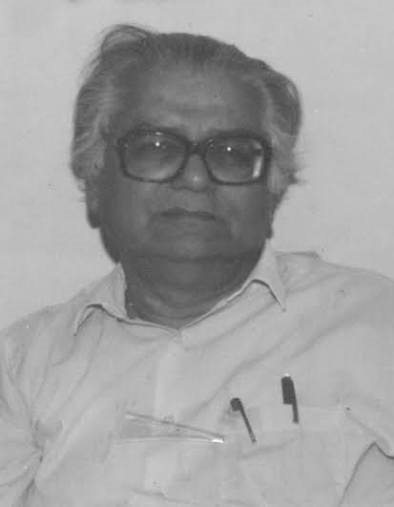
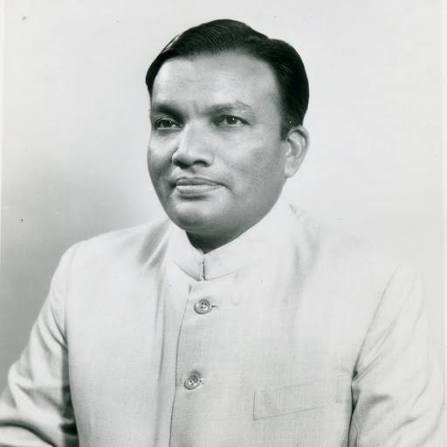
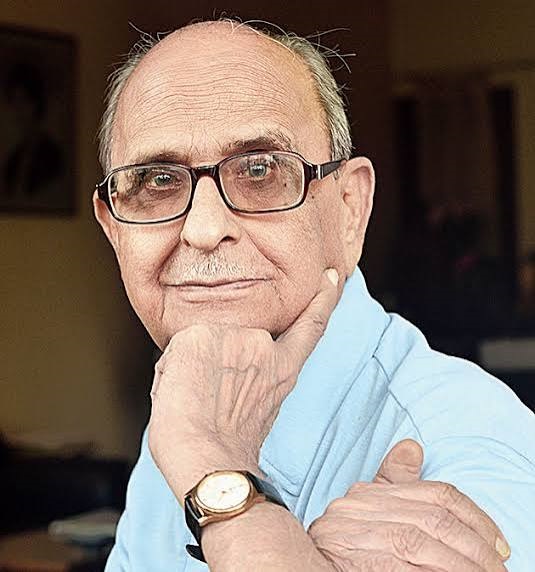
Santidev Ghosh (1910–1999) was a towering figure in Indian cultural history—haunted by grace, deeply rooted in the traditions of Rabindranath Tagore, and celebrated as an iconic singer, dancer, actor, author, and maestro of Rabindra Sangeet. As a direct disciple of Gurudev Rabindranath Tagore, Ghosh dedicated his entire life to preserving, authenticating, and propagating the musical, dance, and artistic heritage of Shantiniketan to the rest of India and the world.
2. Quick Facts
- Full Name: Santidev Ghosh (Also spelled Santideb Ghosh / Shantidev Ghosh)
- Native Name: শান্তিদেব ঘোষ
- Date of Birth: May 7, 1910
- Place of Birth: Village Bajapti, near Chandpur, Bengal Presidency, British India (now in Bangladesh)
- Nationality: Indian
- Occupation / Profession: Singer, Music Maestro, Author, Dancer, Actor, and Educator
- Field of Achievement: Music, Dance, and Performing Arts (Particularly Rabindra Sangeet)
- Years Active: 1930 – 1999
3. Award Information (Focus: Padma Bhushan)
- Award Name: Padma Bhushan
- Award Category: Civil Honour (Third Highest Civilian Award in India)
- Award Year: 1985
- Presented By: Government of India
- Date of Ceremony: March/April 1985 (Rashtrapati Bhavan)
- Citation / Official Reason: For his distinguished service and pioneering contributions to the field of arts, particularly music and dance education associated with Tagore’s traditions.
- Previous Notable Recipients (1984): Sivaji Ganesan, B.C. Sanyal, Michael Ferreira
- Next Recipients (1986): Notable icons from various fields (such as Madhuri Dixit’s contemporaries/artists of that cycle)
4. Why He Received the Award
Santidev Ghosh received the Padma Bhushan for his lifetime devotion to institutionalizing and popularizing Rabindra Sangeet and Tagore’s dance-dramas. He was recognized not merely as a performer, but as a primary custodian of a unique genre of Indian music who molded generations of students and documented the stylistic nuances of Visva-Bharati.
5. Early Life
Santidev Ghosh was born on May 7, 1910, in Bajapti (now Bangladesh) to Kalimohan Ghosh and Monorama Devi. His father, Kalimohan Ghosh, was a close associate of Rabindranath Tagore, working primarily on rural reconstruction programs initially at Silaidah and later at Sriniketan adjacent to Shantiniketan. Growing up around the intellectual and cultural nucleus of Tagore’s inner circle profoundly shaped Santidev’s childhood and lifelong path.
6. Education
- Schooling: Santiniketan Ashrama Vidyalaya (founded by Tagore in 1901), where he studied under the direct mentorship of Gurudev Rabindranath Tagore and Dinendranath Tagore.
- Specialized Training: Traveled extensively as Tagore’s cultural emissary to regions like Sri Lanka, Burma (Myanmar), Java, and Bali (Indonesia) to study traditional regional music and dance forms.
7. Career Journey
- 1930: Officially joined Visva-Bharati University as a faculty member at just 20 years of age.
- 1948: Appointed as a member of the Advisory Board of Akashvani (All India Radio), Calcutta.
- 1964–1968 & 1971–1973: Served multiple terms as the Principal of Sangit Bhavana (the music and dance department) at Visva-Bharati University.
- Global Outreach: Traveled worldwide—including the UK, Japan, Soviet Union, and Sri Lanka—to propagate the cultural ideals of Tagore.
- Late Career: Continued writing authoritative books on music, mentoring students, and serving as an active cultural icon until his passing in 1999.
8. Major Achievements
- Authored definitive texts on music and dance, including works on Rabindra Sangeet and folk cultures of Asia.
- Appointed as a National Scholar by the Government of India.
- Honored with the Sangeet Natak Akademi Fellowship in 1976—the highest recognition conferred by India’s National Academy for Music, Dance, and Drama.
- Commemorated through an official Indian Postage Stamp released in 2002 by the Government of India.
9. Contribution to the Nation
Santidev Ghosh single-handedly bridged the transition of Tagore’s experimental arts from the walls of Shantiniketan into mainstream Indian consciousness. By teaching legends like Suchitra Mitra and Pramita Mallick, he established an authentic pedagogy for Rabindra Sangeet. His structural compilation of folk aesthetics and classical nuances ensured that India’s post-independence cultural curriculum retained a refined, indigenous identity.
10. Other Awards and Honours
- Sangeet Natak Akademi Fellowship (1976)
- Sureshchandra Memorial Ananda Award (1980) – By Ananda Publishers Group
- Deshikottama (1984) – The highest honorary D.Litt. equivalent bestowed by Visva-Bharati University
- Honorary D.Litt. – Conferred by Burdwan University and Rabindra Bharati University (1991)
11. Legacy and Influence
Santidev Ghosh is remembered as an institution unto himself. He brought life to Tagore’s dance-dramas (Tasher Desh, Chandalika, etc.) not just through voice, but through physical expression. His written publications remain foundational guideposts for anyone pursuing research in Bengali music history or Asian performance traditions.
12. Interesting Facts
- Tagore’s Emissary: Tagore personally trusted him with overseas journeys to places like Bali and Java to absorb global artistic styles and integrate them contextually into Shantiniketan.
- Pioneered Song Formats: He was among the first to introduce dynamic song-poems (such as adapting Tagore’s “Krishnakali” into continuous musical renditions without repeating initial lines).
- Century-Span Impact: Having lived from 1910 to 1999, his life witnessed the direct transition of pre-independence nationalist art movements into modern independent India’s cultural framework.
13. Quotes
“Santidev Ghosh’s talent as an exponent of Tagore art forms especially Rabindra Sangeet… was unparalleled and extraordinary, making him an institution by himself.” — Cultural Historians’ Tribute
14. Timeline
- 1910: Born on May 7 in Bajapti, Bengal Presidency
- 1930: Joins Visva-Bharati University as a teacher
- 1976: Receives the Sangeet Natak Akademi Fellowship
- 1984: Awarded Deshikottama from Visva-Bharati
- 1985: Conferred the Padma Bhushan by the Government of India
- 1999: Passes away on December 1 in Calcutta at the age of 89
- 2002: Commemorative postage stamp issued by India Post
15. References
- Wikipedia contributors. Santidev Ghosh. Wikipedia, The Free Encyclopedia.
- Sangeet Natak Akademi archives on Fellows and Awardees.
- Visva-Bharati University publication profiles on Sangit Bhavana luminaries.
16. Related Personalities
- Rabindranath Tagore: Founder of Shantiniketan and Santidev’s ultimate mentor.
- Dinendranath Tagore: Grandnephew of Tagore and prominent music director who deeply guided Ghosh.
- Suchitra Mitra: Legendary Rabindra Sangeet exponent and one of Ghosh’s most prominent students.
17. Frequently Asked Questions (FAQ)
Q1: Who was Santidev Ghosh?
A: Santidev Ghosh was a celebrated Indian singer, dancer, author, and master of Rabindra Sangeet who trained directly under Rabindranath Tagore.
Q2: What is Santidev Ghosh best known for?
A: He is best known for institutionalizing Rabindra Sangeet education at Shantiniketan’s Sangit Bhavana and preserving Tagore’s musical and dance-drama traditions.
Q3: When did Santidev Ghosh receive the Padma Bhushan?
A: He was awarded the Padma Bhushan by the Government of India in the year 1985.
About the Author