Introduction
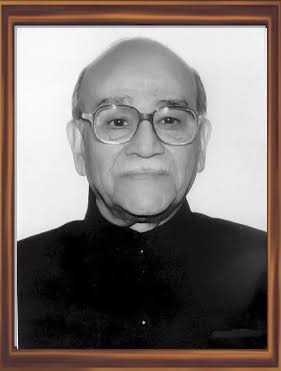
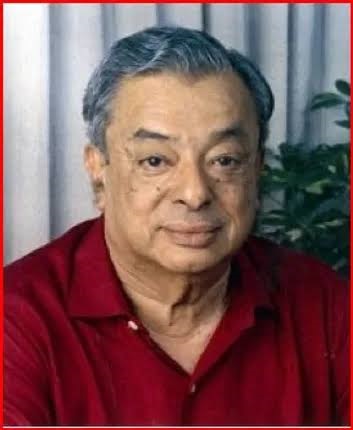
Verghese Kurien was an Indian engineer, social entrepreneur, and the architect of India’s White Revolution. He transformed India from a milk-deficient country into the world’s largest milk producer through the cooperative dairy movement. Popularly known as the “Father of the White Revolution,” his vision empowered millions of rural farmers, especially women, by creating sustainable livelihoods and improving India’s dairy industry.
Early Life
Verghese Kurien was born into a Syrian Christian family in Kozhikode (Calicut), Kerala. Although he did not initially plan to work in the dairy industry, his career took an unexpected turn when he was posted to Anand, Gujarat, after completing his education. There, he met visionary dairy leader Tribhuvandas Kishibhai Patel, whose leadership inspired Kurien to dedicate his life to the dairy cooperative movement.
Birth Date and Death
- Born: November 26, 1921
- Place of Birth: Kozhikode (Calicut), Kerala, India
- Died: September 9, 2012
- Place of Death: Nadiad, Gujarat, India
- Age at Death: 90 years
Education and Career
Education
- Bachelor’s degree in Physics from the University of Madras.
- Bachelor’s degree in Mechanical Engineering from the College of Engineering, Guindy.
- Master’s degree in Mechanical Engineering from Michigan State University under a Government of India scholarship.
Career
After returning to India in 1949, Kurien was posted to a government creamery in Anand, Gujarat. He soon joined hands with the local dairy cooperative and helped build what later became the famous Amul. His innovative management practices and cooperative model transformed milk production and distribution across India.
He later served as:
- Chairman of the National Dairy Development Board (NDDB)
- Founder Chairman of the Institute of Rural Management Anand (IRMA)
Career and Achievements
1. White Revolution
Verghese Kurien led Operation Flood, the world’s largest dairy development program, which dramatically increased milk production in India.
2. Building Amul
He transformed Amul into one of India’s most trusted dairy brands, ensuring that profits reached millions of dairy farmers rather than middlemen.
3. Rural Development
Kurien’s cooperative model empowered rural communities, generated employment, and improved living standards across villages.
4. Women’s Empowerment
Millions of women became members of dairy cooperatives, gaining financial independence and leadership opportunities.
5. Strengthening India’s Economy
The dairy industry became a major contributor to India’s agricultural economy due to his efforts.
Why Did Verghese Kurien Receive the Padma Vibhushan Award?
Verghese Kurien received the Padma Vibhushan in 1999 for his extraordinary contribution to India’s dairy industry and rural development.
The award recognized his:
- Leadership of the White Revolution.
- Success in making India the world’s largest milk producer.
- Development of the cooperative dairy movement.
- Empowerment of millions of small and marginal farmers.
- Significant contribution to rural employment and poverty reduction.
- Lasting impact on India’s food security and agricultural development.
Field of Achievement
Verghese Kurien made remarkable contributions in:
- Dairy Development
- Agricultural Engineering
- Rural Development
- Cooperative Management
- Social Entrepreneurship
- Farmer Empowerment
Awards and Honours
Verghese Kurien received several prestigious national and international awards, including:
- Padma Shri (1965)
- Padma Bhushan (1966)
- Padma Vibhushan (1999)
- Ramon Magsaysay Award (1963)
- World Food Prize (1989)
- Krishi Ratna Award
- Numerous honorary doctorates from universities in India and abroad
Interesting Facts
- Verghese Kurien is known as the Father of the White Revolution.
- He did not originally intend to build a career in the dairy industry.
- Under his leadership, Amul became one of India’s most successful cooperative brands.
- Operation Flood is considered one of the world’s largest dairy development programs.
- His cooperative model inspired several countries around the world.
- He believed that farmers should own and control the businesses they supply.
- His autobiography is I Too Had a Dream.
Legacy and Inspiration
Verghese Kurien’s legacy continues through India’s dairy cooperative movement and institutions such as the National Dairy Development Board and IRMA. His work has inspired generations of entrepreneurs, policymakers, and social reformers. He demonstrated that technology, professional management, and cooperation could transform rural communities and improve millions of lives.
His vision continues to influence agricultural development and cooperative enterprises across India.
Contribution to the Nation
Verghese Kurien made several lasting contributions to India:
- Led the White Revolution, making India the world’s largest milk producer.
- Improved the income and livelihoods of millions of dairy farmers.
- Strengthened India’s rural economy.
- Reduced dependence on imported dairy products.
- Promoted self-reliance in food production.
- Encouraged women’s participation in the dairy sector.
- Established institutions that continue to support dairy development and rural management.
Conclusion
Verghese Kurien was more than an engineer or entrepreneur—he was a visionary who transformed India’s dairy sector through the power of cooperation and innovation. His leadership of the White Revolution changed the lives of millions of farmers and made India a global leader in milk production. His dedication to rural development, farmer empowerment, and national progress earned him the Padma Vibhushan and many other prestigious honours. His life remains an enduring source of inspiration, demonstrating how visionary leadership can create lasting social and economic change.
About the Author