Introduction
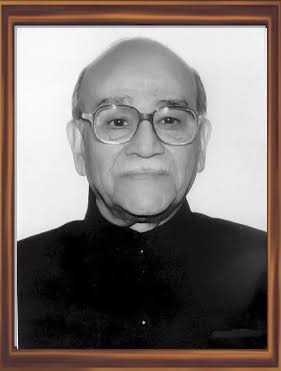
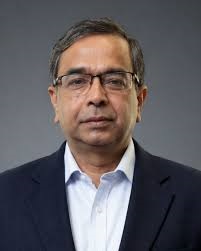
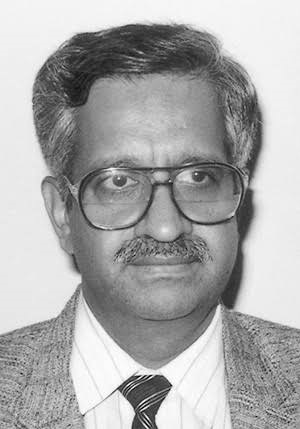
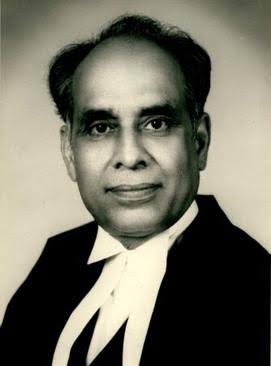
Hans Raj Khanna was one of India’s most respected judges, jurists, and advocates. He is remembered for his strong commitment to constitutional values, individual liberty, and the rule of law. As a judge of the Supreme Court of India, he delivered several landmark judgments and stood firmly for the protection of fundamental rights. His dedication to justice and democracy earned him the Padma Vibhushan, one of India’s highest civilian awards.
Early Life
Hans Raj Khanna was born on 3 July 1912 in Amritsar, Punjab, India.
He belonged to a family with a legal background. His father, Sarv Dyal Khanna, was a respected lawyer and influenced his interest in the field of law. From an early age, Hans Raj Khanna developed a strong sense of justice and responsibility.
He passed away on 25 February 2008 in New Delhi, India, at the age of 95.
Education and Career
Hans Raj Khanna completed his education at Hindu College, Amritsar, and later studied law at the Government College, Lahore.
He began his legal career as an advocate in Amritsar in 1934. Over the years, he became a highly respected lawyer and later served as a judge in various courts.
His judicial career included:
- Judge of the Punjab and Haryana High Court.
- Chief Justice of the Delhi High Court.
- Judge of the Supreme Court of India (1971–1977).
Career and Achievements
1. Landmark Judgment – Kesavananda Bharati Case
Hans Raj Khanna played an important role in shaping Indian constitutional law. In the famous Kesavananda Bharati v. State of Kerala (1973) case, he supported the principle that Parliament’s power to amend the Constitution has limits.
The judgment established the Basic Structure Doctrine, which protects the essential features of the Constitution.
2. ADM Jabalpur Case (1976)
Justice Khanna is especially remembered for his courageous dissenting judgment in the ADM Jabalpur v. Shivkant Shukla case during the Emergency period (1975–1977).
While the majority held that citizens could not seek protection of certain rights during the Emergency, Justice Khanna disagreed and defended the importance of personal liberty and constitutional protections.
His dissent became widely respected as a symbol of judicial independence.
3. Commitment to Justice
Throughout his career, Justice Khanna emphasized:
- Independence of the judiciary.
- Protection of fundamental rights.
- Fairness and equality before law.
- The importance of constitutional democracy.
Why Did Hans Raj Khanna Receive the Padma Vibhushan Award?
Hans Raj Khanna received the Padma Vibhushan in 1999 for his outstanding contribution to public affairs.
The award recognized:
- His exceptional service as a judge and jurist.
- His contribution to constitutional law.
- His commitment to protecting citizens’ rights.
- His role in strengthening democracy and the rule of law.
His judicial principles made him one of India’s most admired legal personalities.
Field of Achievements
Hans Raj Khanna made significant contributions in the following fields:
1. Judiciary and Law
He contributed greatly to the development of Indian constitutional law.
2. Human Rights
He defended the importance of individual freedom and dignity.
3. Constitutional Interpretation
His judgments helped define the relationship between Parliament, the Constitution, and citizens’ rights.
4. Legal Ethics
He represented the values of honesty, independence, and fairness in the judiciary.
Awards and Honours
Major awards and recognitions received by Hans Raj Khanna include:
- Padma Vibhushan (1999) – India’s second-highest civilian award.
- Recognition as one of India’s greatest constitutional judges.
- Several honours from legal organizations for his contribution to justice and law.
Interesting Facts About Hans Raj Khanna
- He is remembered as one of India’s most courageous judges.
- His dissenting opinion in the ADM Jabalpur case is considered one of the most important judgments in Indian legal history.
- He resigned from the position of Supreme Court judge after being overlooked for the post of Chief Justice of India.
- He continued contributing to legal discussions even after retirement.
- His life represented independence, integrity, and commitment to constitutional principles.
Legacy and Inspiration
Hans Raj Khanna’s legacy is based on courage, honesty, and dedication to justice. His willingness to stand by constitutional values, even during difficult times, made him a symbol of judicial independence.
His life inspires judges, lawyers, and citizens to protect democracy, human rights, and the rule of law.
Contribution to the Nation
Hans Raj Khanna’s major contributions include:
- Strengthening the protection of fundamental rights in India.
- Upholding the independence of the judiciary.
- Contributing to the development of constitutional law.
- Defending personal liberty and democratic values.
- Inspiring future generations of legal professionals.
Conclusion
Hans Raj Khanna was a remarkable judge and legal thinker whose contribution to Indian democracy remains unforgettable. Through his landmark judgments and commitment to justice, he strengthened the foundations of constitutional governance in India. The Padma Vibhushan award honoured his extraordinary service to law and public affairs. His principles of courage, fairness, and integrity continue to inspire the Indian legal community.
About the Author