

1. Introduction
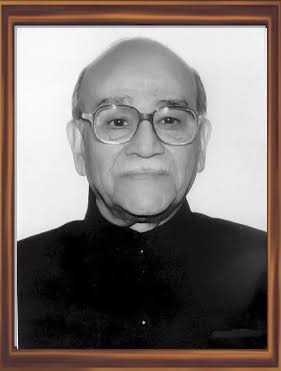
Vennelakanti Raghavayya (1897–1981), widely revered as the “Nellore Gandhi” or “Girijan Gandhi”, was a pioneering Indian freedom fighter, lawyer, social reformer, and preeminent champion of tribal rights. Dedicating his entire life to the upliftment of Adivasis, nomadic communities, and the marginalized, he combined active anti-colonial resistance with rigorous grassroots social engineering. His monumental crusade for the liberation of denotified tribes left a lasting legacy on India’s social welfare framework.
2. Quick Facts
- Full Name: Vennelakanti Raghavayya (often written as Raghavaiah)
- Native Name: వెన్నెలకంటి రాఘవయ్య (Telugu)
- Date of Birth: June 4, 1897
- Place of Birth: Singapeta village, near Kovur, Nellore District, Madras Presidency, British India (present-day Andhra Pradesh)
- Nationality: Indian
- Occupation / Profession: Social Worker, Freedom Fighter, Lawyer, Politician, Author
- Field of Achievement: Tribal Welfare, Adivasi Rights, and the Indian Independence Movement
- Years Active: c. 1920s – 1981
3. Award Information
- Award Name: Padma Bhushan
- Award Category: Social Work / Public Affairs (India’s Third-Highest Civilian Honor)
- Award Year: 1973
- Presented By: Government of India (President V. V. Giri)
- Date of Ceremony: Spring 1973 (Rashtrapati Bhavan, New Delhi)
- Citation / Official Reason: Recognized for his exceptional and lifelong contributions to social service, tribal welfare, and public administration.
- Previous Recipients (Selected): Distinguished public figures, social reformers, and scholars from preceding annual civilian honors lists.
- Next Recipients: Followed by subsequent annual panels of national civilian laureates.
4. Why He Received the Award
Vennelakanti Raghavayya was conferred the Padma Bhushan for his decades-long dedication to the empowerment of India’s most neglected indigenous and denotified tribes (such as the Yanadis, Chenchus, and Erukulas). His tireless efforts in securing the repeal of oppressive colonial laws, establishing educational ashrams, and documenting tribal cultures earned him high national recognition.
5. Early Life
Born in Singapeta village near Kovur in the Nellore district to Vennelakanti Papayya and Subbamma, Raghavayya experienced early personal hardship, losing his mother when he was barely five years old. Raised under the care of his elder sister, he grew up observing the acute socio-economic inequalities prevalent in rural British India. These formative impressions cultivated a deep sense of empathy for the marginalized communities living on the fringes of society, steering him away from conventional professional comforts toward a life of public service.
6. Education
- Schooling: Completed his primary education locally in Singapeta and Alluru, followed by high school studies at the prestigious Venkatagiri Raja High School in Nellore in 1909.
- Higher Education: Relocated to Madras to pursue higher studies, graduating with a Bachelor of Arts (B.A.) degree from Pachaiyappa’s College in 1918.
- Legal Training: Subsequently earned his Bachelor of Laws (LL.B. / B.L.) degree in 1928, equipping himself with formal legal expertise that he later weaponized to defend peasants and marginalized groups.
7. Career Journey
- Nationalist Mobilization: Answered Mahatma Gandhi’s call, joined the Indian National Congress, founded the Swarajya Sangham, and served as the first secretary of the Nellore District Congress Committee.
- Legal Practice & Peasant Advocacy: Practiced law while actively taking up public interest causes, famously fighting alongside N.G. Ranga to protect local farmers against heavy dues levied by the Zamindars of Venkatagiri.
- Legislative Service: Elected twice to the combined Madras State Legislative Assembly from the Nellore constituency. In 1946, he served as a Parliamentary Secretary in the ministry headed by Tanguturi Prakasam.
- Tribal Missionary Work: Collaborated closely with A.V. Thakkar (Thakkar Bapa) under the banner of the Bharatiya Adimjati Sevak Sangh, dedicating his later decades entirely to the economic and social rehabilitation of nomadic tribes.
8. Major Achievements
- Repeal of the Criminal Tribes Act: Spearheaded the socio-political movement that successfully exposed the cruel injustices of the British-era Criminal Tribes Act of 1871, laying the groundwork for its formal legislative scrapping in independent India.
- Extensive Sociological Documentation: Authored authoritative books and monographs on indigenous tribes, including The Yanadis, Nomadic Tribes of India, Tribal Justice, Adavi Poolu, and a biographical account of Thakkar Bapa.
- Institutional Builder: Established numerous residential schools, cooperative farming settlements, and welfare hostels for tribal boys and girls across Andhra districts.
9. Contribution to the Nation
Raghavayya’s national contributions spanned both the political fight for freedom and grassroots nation-building. He actively participated in the Non-Cooperation Movement and Salt Satyagraha, enduring 21 months of rigorous imprisonment, and later joined the Quit India Movement. In independent India, his policy frameworks helped integrate stigmatized and nomadic communities into the mainstream democratic fabric, protecting them from predatory money lenders and social ostracization.
10. Other Awards and Honours
- Padma Bhushan (1973): Conferred by the President of India for exceptional public service and social work.
- Civic Felicitations: Honored widely by academic institutions, Telugu literary bodies, and Adivasi associations for his lifetime crusade for social equity.
11. Legacy and Influence
Vennelakanti Raghavayya is remembered as an uncompromising Gandhian idealist who gave voice to the absolute voiceless. Long before modern tribal studies gained institutional traction, he mapped the cultural geography of denotified tribes, ensuring they received legal recognition, educational access, and human dignity. His life remains a guiding benchmark for social workers and civil rights activists across India.
12. Interesting Facts
- The “Nellore Gandhi” Moniker: Because of his strict adherence to truth, simple living, immaculate hand-spun khadi attire, and absolute dedication to rural upliftment, local populations affectionately christened him the “Nellore Gandhi”.
- Prison as a Study Hall: Much like other intellectual leaders of the freedom movement, he utilized his terms of political imprisonment in British jails to study tribal sociology and formulate constructive post-independence rehabilitation plans.
- Literary Dedication: With financial support from central and state research bodies, he ensured that authentic tribal folklore, marriage customs, and songs were properly documented and published before they vanished.
13. Quotes
“The true test of a nation’s freedom is how it treats its most forgotten children hiding in the shadows of the forests and backwaters.”
“Service to the tribal communities is not an act of charity; it is an overdue historical reparation.”
14. Timeline
- 1897: Born on June 4 in Singapeta, Nellore District.
- 1918: Completes his B.A. from Pachaiyappa’s College, Madras.
- 1920s: Joins the Indian National Congress; participates in early freedom struggles; earns his B.L. degree (1928).
- 1946: Elected to the Madras Legislative Assembly; serves as Parliamentary Secretary under Tanguturi Prakasam.
- 1952: Instrumental in pushing for the repeal of the oppressive Criminal Tribes Act.
- 1973: Conferred the Padma Bhushan by the Government of India.
- 1981: Passes away on November 24 at the age of 84.
15. References
- Raghavaiah, Vennelakanti. Luminaries of 20th Century, Part II (Potti Sriramulu Telugu University, Hyderabad).
- Ministry of Home Affairs, Government of India – Padma Awards Directory.
- Telugu Wikipedia historical records and biographical profiles on Vennelakanti Raghavayya.
- Archives of the Bharatiya Adimjati Sevak Sangh.
16. Related Personalities
- Mahatma Gandhi: Primary ideological guide and inspiration for his lifelong social and political path.
- A.V. Thakkar (Thakkar Bapa): Renowned social worker and close partner in nationwide Adivasi welfare campaigns.
- Tanguturi Prakasam: Prominent freedom fighter and former Chief Minister of Madras State with whom Raghavayya worked closely.
- N.G. Ranga: Veteran peasant leader and political contemporary.
17. Frequently Asked Questions (FAQ)
Q1: Who was Vennelakanti Raghavayya?
A: He was an eminent Indian freedom fighter, lawyer, and social worker who dedicated his life to the welfare and upliftment of Adivasis and denotified nomadic tribes.
Q2: Why was he called the “Nellore Gandhi”?
A: Because of his unwavering commitment to Gandhian principles, simple khadi lifestyle, and tireless service to the rural and tribal poor in the Nellore region, he was affectionately named the “Nellore Gandhi”.
Q3: What was his major legislative achievement?
A: He played a pivotal grassroots and political role in securing the historic repeal of the colonial Criminal Tribes Act of 1871, which had criminalized entire indigenous communities by birth.
Q4: When did he receive the Padma Bhushan?
A: He was awarded the Padma Bhushan by the Government of India in 1973 for his extraordinary contributions to social work.
About the Author