

1. Introduction
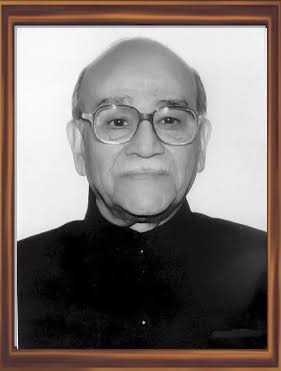
Krishnarao Shankar Pandit (1893–1989), affectionately known as Gaan Maharishi, was an iconic figure in Indian classical music and one of the most prominent vocalists of the legendary Gwalior Gharana. Spanning nearly eight decades, his musical career bridged traditional royal patronage with modern institutional education. A master of Khayal, Tappa, Tarana, and Layakari, he dedicated his life to preserving, codifying, and propagating the purity of Hindustani classical music through rigorous performance and pioneering academic instruction.
Wikipedia+ 1
2. Quick Facts
- Full Name: Krishnarao Shankar Pandit
- Native Name: कृष्णराव शंकर पंडित (Hindi)
- Date of Birth: July 26, 1893 Wikipedia
- Place of Birth: Gwalior, Princely State of Gwalior, British India (present-day Madhya Pradesh) Wikipedia
- Nationality: Indian
- Occupation / Profession: Classical Vocalist, Music Composer, Author, Teacher, and Institution Builder
- Field of Achievement: Hindustani Classical Vocal Music (Gwalior Gharana) Wikipedia
- Years Active: c. 1905 – 1989
3. Award Information
- Award Name: Padma Bhushan
- Award Category: India’s Third-Highest Civilian Honor
- Award Year: 1973 Wikipedia
- Presented By: Government of India (President V. V. Giri)
- Date of Ceremony: Spring 1973 (Rashtrapati Bhavan, New Delhi)
- Citation / Official Reason: Recognized for his exceptional and lifelong contributions to the field of Hindustani classical music, performance, and pedagogy.
- Previous Recipients (Selected): Eminent artists, musicians, and public figures from preceding national honors lists.
- Next Recipients: Followed by subsequent annual panels of civilian laureates.
4. Why He Received the Award
Krishnarao Shankar Pandit was conferred the Padma Bhushan for his enduring stewardship of the Gwalior Gharana. His tireless efforts in maintaining the traditional purity of classical vocal styles, combined with his monumental contributions to music literature and formal education, established him as a national treasure of Indian culture.
5. Early Life
Born in Gwalior into a family deeply steeped in music, Krishnarao inherited a rich lineage. His father, Pandit Shankarrao Pandit, was a renowned court musician and a direct disciple of the legendary Ustad Haddu Khan. Growing up in an environment where musical notes echoed daily, Krishnarao showed prodigious talent early on. Under his father’s strict discipline and guidance—alongside tutelage from masters like Nathu Khan and Nissar Hussain Khan—he underwent intensive training that shaped his powerful, open-throated, and mathematically precise vocal delivery.
heveblog – WordPress.com+ 1
6. Education
- Early Musical Training: Received traditional, rigorous Gurukul-style training under his father and veteran Ustads of the Gwalior court, mastering the complex nuances of layakari (rhythmic play) and pristine raga structures. Wikipedia
- Academic & Pedagogical Growth: While his primary education was centered on classical traditions, he pursued deep theoretical studies in musicology, enabling him to translate oral traditions into structured textbooks.
7. Career Journey
- Early Debut & Court Recognition: Made his public concert debut at the young age of 11 and became a recognized solo performer in the Gwalior royal court by age 14. Wikipedia
- Founding Institutions (1914): At just 18 years old, he founded the Shankar Gandharva Mahavidyalaya in Gwalior, creating one of India’s earliest organized centers for music education. Wikipedia
- State Musician Roles: Served briefly as state musician for the Satara principality before returning to Gwalior, where he was later re-appointed as a premier court musician by the royal council. Wikipedia
- Broadcasting & Later Years: Worked extensively with All India Radio (AIR) and Doordarshan as a producer and performing artist, continuing active concerts well into his advanced age. Wikipedia
8. Major Achievements
- Authored Landmark Textbooks: Penned eight authoritative textbooks on vocal and instrumental music, systematically designing a standardized curriculum for classical training. Wikipedia
- Prestigious Titles: Conferred the title of Gaan Maharishi by the Shankaracharya of Sankeshwar Peeth and Sangeet Bhishmacharya by the All World Marathi Sammelan. Wikipedia
- Academic Honors: Awarded an honorary doctorate (Ph.D.) by Indira Kala Sangeet University in 1962 in recognition of his musicological contributions. Wikipedia
9. Contribution to the Nation
Krishnarao Shankar Pandit single-handedly institutionalized the teaching of Hindustani classical music outside elite royal courts, making it accessible to common students through his college network. During a time of rapid modernization, he ensured that the authentic grammar, heavy cadence, and dynamic improvisations of the Gwalior Gharana were preserved, recorded, and safely passed down to modern generations.
10. Other Awards and Honours
- Sangeet Natak Akademi Award (1959): Awarded India’s highest honor for performing arts. Wikipedia
- Padma Bhushan (1973): Conferred by the Government of India. Wikipedia
- Tansen Award (1980): Presented by the Government of Madhya Pradesh for lifetime achievement in classical music. Wikipedia
- Swar Vilas (1971): Awarded by Sursingar Samsad, Mumbai. Wikipedia
11. Legacy and Influence
Pandit Ji’s legacy is carried forward through generations of artists. His school, Shankar Gandharva Mahavidyalaya, remains a revered institution. He shaped the careers of numerous disciples, notably his sons Laxman Krishnarao Pandit and Chandrakant Pandit, and his granddaughter, renowned vocalist Dr. Meeta Pandit, ensuring that the rich lineage of the Gwalior Gharana remains vibrant today.
12. Interesting Facts
- Remarkable Longevity on Stage: He performed actively for over eight decades, retaining his vocal clarity, rhythmic command, and deep knowledge into his mid-90s.
- Prodigious Memory: He possessed an encyclopedic collection of rare, ancient, and complex compositions (Bandishes), many of which would have been lost to history if not documented by him.
- Royal Tutor: In his early career, he served as a music instructor to members of the royal families in central India, blending high-profile duties with grassroots teaching.
13. Quotes
“Music is not merely a source of entertainment; it is a sacred spiritual discipline that demands absolute surrender to the purity of the raga.”
“The rhythm is the heartbeat of a composition; if the laya wavers, the soul of the music is lost.”
14. Timeline
- 1893: Born on July 26 in Gwalior, Madhya Pradesh. Wikipedia
- 1904: Makes his early public stage debut at age 11. Wikipedia
- 1914: Founds the Shankar Gandharva Mahavidyalaya in Gwalior. Wikipedia
- 1959: Receives the Sangeet Natak Akademi Award. Wikipedia
- 1962: Awarded an honorary doctorate by Indira Kala Sangeet University. Wikipedia
- 1973: Conferred the Padma Bhushan by the Government of India. Wikipedia
- 1980: Honored with the prestigious Tansen Award. Wikipedia
- 1989: Passes away on August 22 in Gwalior at the age of 96. Wikipedia
15. References
- Sangeet Natak Akademi – Archives on Hindustani Classical Vocalists.
- Wikipedia Contributors – Krishnarao Shankar Pandit historical profile. Wikipedia
- Ministry of Home Affairs, Government of India – Padma Awards Directory. Wikipedia
- Bhagwat, Neela. Krishnarao Shankar Pandit, a Doyen of Khayal (Biographical documentation). Wikipedia
16. Related Personalities
- Shankarrao Pandit: Father, teacher, and prominent Gwalior court musician. Wikipedia
- Ustad Haddu Khan: Legendary maestro of the Gwalior Gharana whose stylistic lineage Krishnarao preserved. heveblog – WordPress.com
- Laxman Krishnarao Pandit: Son and prominent classical vocalist carrying forward the family legacy. Wikipedia
- Dr. Meeta Pandit: Granddaughter and renowned classical vocalist representing the contemporary Gwalior tradition. Wikipedia
17. Frequently Asked Questions (FAQ)
Q1: What was Krishnarao Shankar Pandit best known for? A: He was celebrated as one of the finest stalwarts of the Gwalior Gharana, renowned for his powerful vocal delivery, flawless mastery over layakari, and his contributions as a music educator and author.
Scribd
Q2: Which music institution did he establish? A: He founded the Shankar Gandharva Mahavidyalaya in Gwalior in 1914 to provide formal and structured training in Hindustani classical music.
Wikipedia
Q3: Did he receive national civilian honors? A: Yes, he was awarded the prestigious Padma Bhushan by the Government of India in 1973.
Wikipedia
Q4: Who are some of his prominent disciples? A: His key disciples include his sons (Laxman Krishnarao Pandit and Chandrakant Pandit) and his granddaughter (Dr. Meeta Pandit), alongside several other notable classical musicians.
Wikipedia
About the Author