1. Introduction
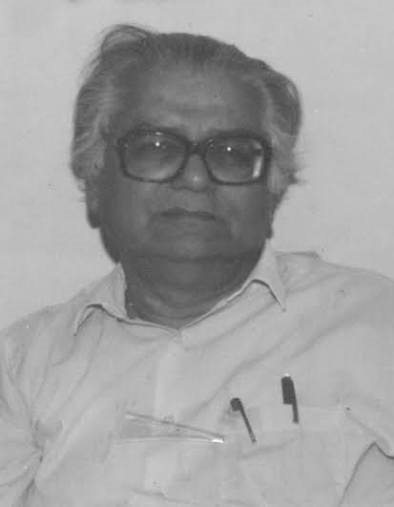
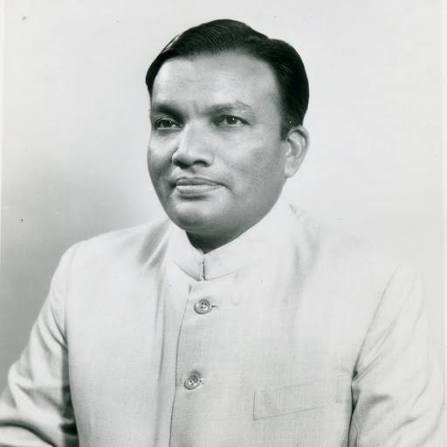
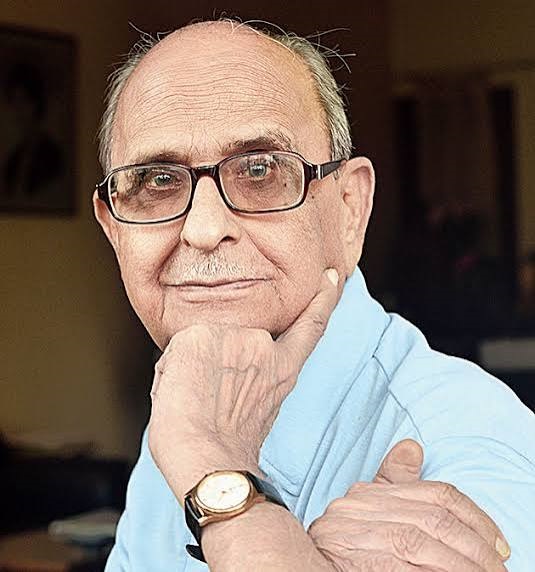
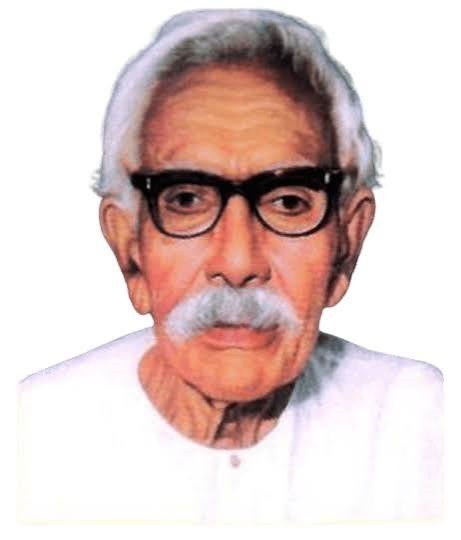
Pandit Jhabarmal Sharma was a pioneering figure in early 20th-century Hindi journalism, an esteemed historian, and a guardian of cultural heritage. Revered as the Bhishma Pitamah (patriarch) of Rajasthani journalism, he dedicated over six decades of his life to public service, fearless media reporting, and meticulously documenting the history, literature, and freedom struggle of Rajasthan.
2. Quick Facts
- Full Name: Pandit Jhabarmal Sharma
- Native Name: पंडित झाबरमल्ल शर्मा
- Date of Birth: January 23, 1888
- Place of Birth: Jasrapur village, Khetri State, Rajasthan, India
- Nationality: Indian
- Occupation/Profession: Journalist, Historian, Litterateur, and Social Worker
- Field of Achievement: Hindi Journalism, Regional History, and Biographical Literature
- Years Active: 1905–1983
3. Award Information
- Award Name: Padma Bhushan
- Award Category: Civil Honour (Literature and Education)
- Award Year: 1982
- Presented By: President Neelam Sanjiva Reddy (at Rashtrapati Bhavan)
- Date of Ceremony: March 20, 1982
- Citation/Official Reason: For his distinguished, lifelong contributions to Hindi literature, journalism, and historical research.
- Previous Recipients: Eminent leaders, scholars, and artists of India.
- Next Recipients: Subsequent cohorts of Padma Bhushan honorees in literature and education.
4. Why Did He Receive the Award?
Pandit Jhabarmal Sharma received the Padma Bhushan in recognition of his towering legacy in Hindi journalism and historical scholarship. For more than sixty years, he worked tirelessly to shape early print media, protect journalistic ethics under colonial rule, unearth rare regional manuscripts, and author definitive historical accounts tracking Rajasthan’s cultural narrative.
5. Early Life
Born in January 1888 in the small village of Jasrapur near Khetri, Rajasthan, Jhabarmal grew up immersed in a deeply scholarly atmosphere. His father, Pandit Ramdayalu, was a renowned Sanskrit scholar and traditional Ayurvedic physician. Growing up under his father’s guidance allowed young Jhabarmal to cultivate a natural affinity for ancient literature, classical languages, and traditional Indian values.
6. Education
- Traditional Learning: He did not attend a formal Western-style college or university. Instead, he acquired deep proficiency in Sanskrit, Hindi, English, and Bengali through rigorous self-study and under the direct tutelage of his father and scholars like Gopinath Sen in Kolkata.
- Shastric Foundation: His immersive grounding in classical studies gave him a sharp editorial voice and a profound understanding of Indian history and philosophy.
7. Career Journey
Guided by the prominent Hindi journalist Pandit Durga Prasad Mishra, Sharma stepped into journalism in 1905:
- Editorial Roles: He edited and contributed to several leading periodicals of the time, including Gyanodaya (Kolkata), Bharat (Mumbai), Marwari Bandhu, Calcutta Samachar, and Hindu Sansar (Delhi).
- Fearless Reporting: While editing Calcutta Samachar, he fiercely opposed the oppressive Rowlatt Act, drawing sharp pushback and threats from British colonial authorities.
- Research Hub: Later, he returned to Rajasthan, establishing the Itihasa Anusandhan Griha (History Research House) in Jasrapur to focus entirely on preserving regional texts and archives.
8. Major Achievements
- Landmark Publications: Authored and edited numerous timeless books, such as Sikar ka Itihas, Khetri Naresh aur Vivekananda, Guleri Granthawali, and his final major text, Rajasthan aur Nehru-Parivar (released by Prime Minister Indira Gandhi in 1982).
- Journalistic Integrity: In 1926, during a sedition trial against his newspaper Hindu Sansar, he chose to take full personal legal accountability rather than reveal his source, setting a brilliant precedent for media ethics.
- Preserving Literary Memory: Spent decades compiling comprehensive memorial volumes (Abhinandan Granths) and collected works for forgotten or contemporary literary icons like Balmukund Gupta and Madhav Mishra.
9. Contribution to the Nation
Pandit Sharma enriched modern Indian public life by anchoring regional identity within the broader national mainstream. Through his active columns during the independence movement, his defiance of colonial suppression, and his mission to rescue archival manuscripts, he ensured that Rajasthan’s cultural history and the contributions of its people were permanently secured within Hindi literature.
10. Other Awards and Honours
- Abhinandan Granth (1977): Honored with a massive felicitation volume titled Pt. Jhabar Mal Sharma Abhinandan Granth by Rajasthan Manch, Delhi, recognizing his lifetime service.
- Maharana Mewar Award: Conferred for his exceptional historical documentation of Mewar and Rajasthan’s heritage.
- Uttar Pradesh Sahitya Award: Specially honored by the Government of Uttar Pradesh for his stellar services to Hindi literature.
- Memorial Legacies: The prestigious Pandit Jhabarmal Sharma Journalism Award is regularly awarded today by bodies like Rajasthan Patrika and Makhanlal Chaturvedi National University of Journalism.
11. Legacy and Influence
Pandit Jhabarmal Sharma is celebrated as an institutional pillar of Rajasthani journalism. His personal collection of over 6,000 rare books, manuscripts, and old journals remains an invaluable resource for modern researchers. Annual memorial lectures held across institutions continue to invoke his name to inspire ethical, fearless journalism.
12. Interesting Facts
- The Indira Gandhi Book Release: Just months before receiving his Padma Bhushan, his book Rajasthan aur Nehru-Parivar was officially launched by then-Prime Minister Indira Gandhi at her official residence in May 1982.
- A One-Man Archive: His personal commitment to saving history meant he frequently functioned as a self-funded archive, traveling across remote parts of Rajasthan to rescue decaying manuscripts.
- Spiritual Link: In 1958, he actively helped lay the foundation for a Ramakrishna Mission branch in Khetri, reflecting his deep admiration for Swami Vivekananda.
13. Quotes
“A journalist’s ultimate duty is to protect the truth and guard the dignity of the written word, no matter the personal cost.” — Pandit Jhabarmal Sharma (Reflecting his editorial philosophy)
14. Timeline
- 1888: Born on January 23 in Jasrapur village, Rajasthan.
- 1905: Enters the field of journalism; begins editing Gyanodaya in Kolkata.
- 1914: Establishes Calcutta Samachar Company Ltd. and launches daily editions.
- 1926: Faces trial for Hindu Sansar and courageously protects his journalistic sources.
- 1958: Establishes the Ramakrishna Mission branch in Khetri.
- 1982: Receives the Padma Bhushan from President Neelam Sanjiva Reddy; launches his final book with PM Indira Gandhi.
- 1983: Passes away on January 4 at the age of 94 in Jaipur, Rajasthan.
15. References
- Wikipedia contributors. Jhabarmal Sharma. Wikipedia, The Free Encyclopedia.
- Bharat Discovery. Pandit Jhabarmal Sharma Biography in Hindi.
- Dil Se Deshi. Pandit Jhabarmal Sharma – Jeevan Parichay.
- Prabhat Prakashan. Author Profile: Jhabarmall Sharma.
16. Related Personalities
- Pandit Durga Prasad Mishra: Eminent Hindi journalist who mentored Sharma during his early days in Kolkata.
- Balmukund Gupta: Prominent Hindi writer and journalist whose literary memory Sharma fiercely championed.
- Chandradhar Sharma Guleri: Renowned scholar and author whose works Sharma edited into comprehensive volumes (Guleri Granthawali).
17. Frequently Asked Questions (FAQ)
- Q: Who was Pandit Jhabarmal Sharma?
- A: He was a veteran Indian journalist, historian, and litterateur widely regarded as the patriarch of Rajasthani journalism.
- Q: What major civilian award did he receive?
- A: He was awarded the prestigious Padma Bhushan by the Government of India in 1982.
- Q: What are some of his most notable books?
- A: His well-known works include Sikar ka Itihas, Khetri Naresh aur Vivekananda, Guleri Granthawali, and Rajasthan aur Nehru-Parivar.
About the Author