1. Introduction
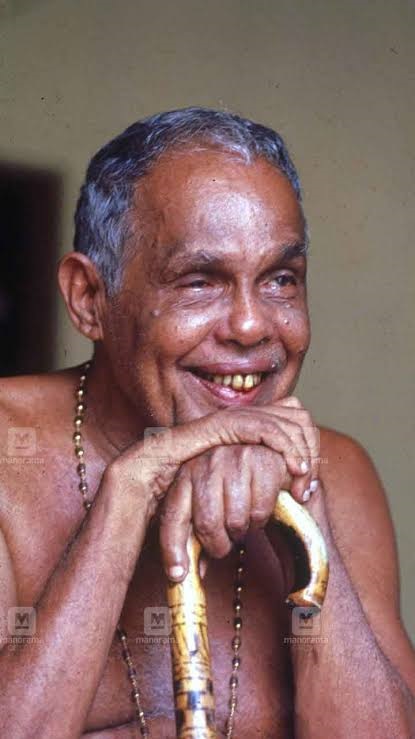
Thakazhi Sivasankara Pillai stands as a towering pillar of modern Malayalam literature. Affectionately known simply as “Thakazhi” after his native village, he was a literary titan who brought international acclaim to regional Indian literature. Through his piercing realism and deep empathy for the marginalized—farmers, fishermen, scavengers, and landless laborers—Thakazhi documented the socio-economic evolution of Kerala like no one else.
2. Quick Facts
- Full Name: Thakazhi Sivasankara Pillai
- Native Name: തകഴി ശിവശങ്കര പിള്ള (Malayalam)
- Date of Birth: April 17, 1912
- Place of Birth: Thakazhy, Kuttanad, Alappuzha district, Kerala, India
- Nationality: Indian
- Occupation/Profession: Novelist, Short Story Writer, and Lawyer
- Field of Achievement: Malayalam Literature (Fiction and Social Realism)
- Years Active: 1934–1990s
3. Award Information (Focus: Jnanpith Award)
- Award Name: Jnanpith Award
- Award Category: India’s Highest Literary Honor
- Award Year: 1984
- Presented By: Bharatiya Jnanpith Trust
- Date of Ceremony: 1984 (Annual presentation cycle)
- Citation/Official Reason: Awarded in recognition of his monumental contribution to Indian literature, specifically for his epic masterpiece novel Kayar (Coir), which traces over a century of social transformation in Kerala.
- Previous Recipients: Eminent literary figures across various Indian languages.
- Next Recipients: Succeeding iconic writers of Indian literature in subsequent years.
4. Why Did He Receive the Award?
Thakazhi received the Jnanpith Award for Kayar (Coir), an encyclopedic, multi-generational epic novel published in 1978. The book spans over a hundred years, mapping the changes in land ownership, social relations, legal frameworks, and human greed in Kuttanad. The selection committee honored him because Kayar encapsulated the socio-political history of Kerala on an epic canvas, proving his unmatched command over narrative structure and character development.
5. Early Life
Born into a traditional agrarian family in Thakazhy, Kuttanad, he grew up surrounded by the backwaters, paddy fields, and the harsh realities of rural life. His upbringing deeply influenced his later writings, as he closely observed how feudal systems exploited agricultural laborers. He was nurtured by a culturally rich environment—his father was connected to regional arts, and his uncle was the famous Kathakali artist Guru Kunchu Kurup.
6. Education
- Completed his primary education locally in Thakazhi and middle schooling in Ambalappuzha.
- Attended high school in Vaikom and Karuvatta, where he was heavily mentored by noted headmaster and scholar Kainikkara Kumara Pillai.
- Moved to Thiruvananthapuram to study law, completing the pleader examination from the Government Law College, Thiruvananthapuram, which allowed him to practice as a criminal lawyer for several years.
7. Career Journey
- Early Journalism & Law: Initially worked as a reporter for the Kerala Kesari daily and later practiced law under a criminal lawyer in Ambalapuzha, giving him ground-level exposure to human conflicts and societal breakdown.
- Literary Breakthrough: Published his first novel, Thyagathinu Prathiphalam (Fruits of Sacrifice), in 1934.
- Pioneering Realism: Shifted away from romanticism toward absolute social realism, writing path-breaking works like Thottiyude Makan (Scavenger’s Son, 1947) and Randidangazhi (Two Measures of Rice, 1948).
- Global Acclaim: Released Chemmeen in 1956, a tragic romance of backwater fisherfolk that became an international bestseller and was translated into numerous global languages.
8. Major Achievements
- Authored over 39 novels, 21 short story anthologies (comprising more than 600 short stories), plays, and memoirs.
- Chemmeen Adaptation: The film adaptation of Chemmeen (directed by Ramu Kariat) won the President’s Gold Medal (National Film Award for Best Feature Film) in 1965, becoming a landmark in Indian cinema.
- Served as the President of the Kerala Sahitya Akademi.
9. Contribution to the Nation
Thakazhi democratized Indian literature by moving focus away from elite upper-class protagonists down to society’s lowest strata. His writings functioned as social critiques that fueled labor movements, questioned caste discrimination, and highlighted human dignity. Through his pen, the struggles of Kerala’s coir workers, farmers, and fishermen became part of the broader national and international conscience.
10. Other Awards and Honours
- Sahitya Akademi Award (1958) – For the novel Chemmeen
- Soviet Land Nehru Award (1974)
- Vayalar Award (1984) – For Kayar
- Padma Bhushan (1985) – Awarded by the Government of India
- Ezhuthachan Puraskaram (1994) – The highest literary honor from the Government of Kerala
- Sahitya Akademi Fellowship (Highest literary membership)
11. Legacy and Influence
Often dubbed the “Maxim Gorky of Malayalam literature” or “Kerala’s Maupassant,” Thakazhi’s legacy lies in his uncompromising portrayal of truth. He transformed the Malayalam novel from an entertaining pastime into a powerful instrument of social change. His ancestral home in Thakazhy has been converted into a memorial museum, preserving his writing desk and personal belongings for future generations.
12. Interesting Facts
- Despite writing intense gritty realism, Thakazhi was known in his personal life for his warm humor, simplicity, and deep love for farming in Kuttanad.
- He wrote Chemmeen while sitting in a small room during his legal practice breaks, drawing heavily from stories he heard growing up near the coastal and backwater zones.
- In 2003, India Post issued a commemorative postage stamp featuring his portrait under the Jnanpith Award Winners series.
13. Quotes
“Why shouldn’t they have the realization that they are also human beings born in this world?” — Thakazhi Sivasankara Pillai (Thottiyude Makan)
14. Timeline
- 1912: Born on April 17 in Thakazhy, Kerala.
- 1934: Publishes his maiden novel, Thyagathinu Prathiphalam.
- 1947: Publishes the epoch-making novel Thottiyude Makan.
- 1956: Publishes Chemmeen, catapulting Malayalam literature to international fame.
- 1965: Chemmeen film adaptation wins the National Film Award for Best Feature Film.
- 1984: Awarded the prestigious Jnanpith Award for Kayar.
- 1985: Conferred the Padma Bhushan by the Government of India.
- 1999: Passes away on April 10 at the age of 86.
15. References
- Wikipedia: Thakazhi Sivasankara Pillai Profile
- Encyclopædia Britannica: Thakazhi Sivasankara Pillai – Indian Writer
- DC Books Author Archives: Biographical notes on Thakazhi Sivasankara Pillai
16. Related Personalities
- Vaikom Muhammad Basheer (Legendary contemporary Malayalam fiction writer)
- Kesari A. Balakrishna Pillai (Prominent literary critic and mentor)
- Ramu Kariat (Director of the classic film Chemmeen)
- M. T. Vasudevan Nair (Renowned Malayalam author and filmmaker)
17. Frequently Asked Questions (FAQ)
Q1: What is Thakazhi Sivasankara Pillai best known for?
A: He is best known for his epoch-making novels Chemmeen (a tragic romance of fisherfolk) and Kayar (a sweeping socio-historical epic about Kerala).
Q2: Did Thakazhi write only novels?
A: No, alongside his 39 novels, he was a master short-story writer who penned over 600 short stories, multiple memoirs, and plays focusing on the lives of the working class.
Q3: Which major national civilian and literary awards did he win?
A: He received the Sahitya Akademi Award (1958), the Jnanpith Award (1984), and India’s third-highest civilian honor, the Padma Bhushan (1985).
About the Author