1. Introduction
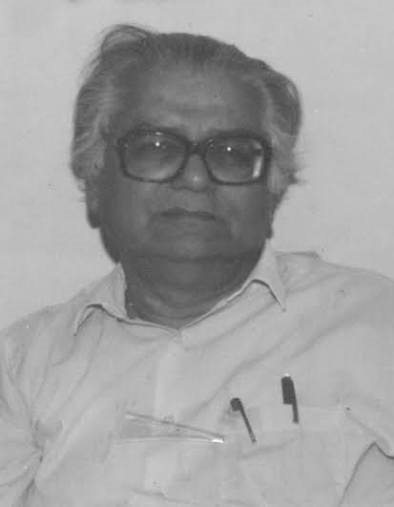
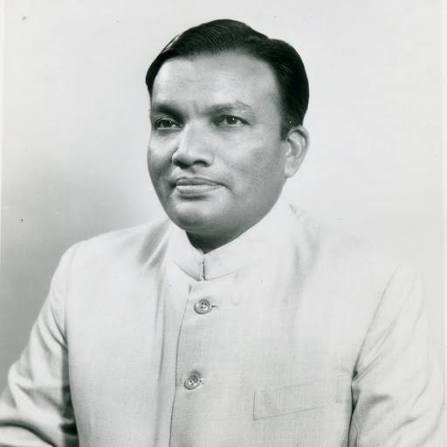
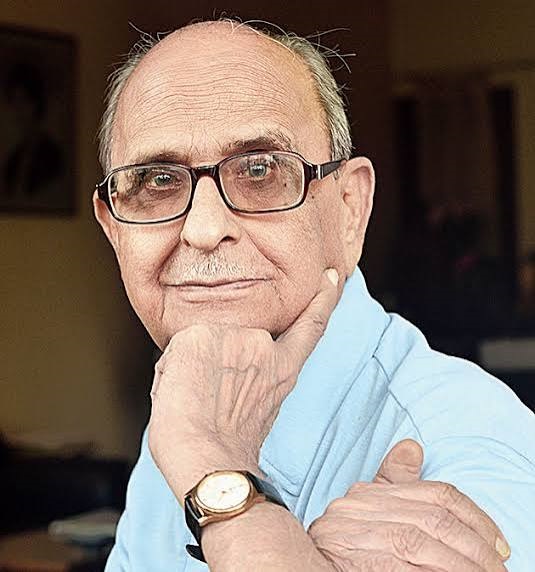
Gopala Ramanujam (1915–2001) was a stalwart Indian trade union leader, prominent politician, and social worker who played a foundational role in shaping the Indian labor movement. As a core co-founder of the Indian National Trade Union Congress (INTUC), he dedicated his life to advocating for workers’ rights through peaceful, Gandhian principles. Beyond his immense contributions to labor welfare, he transitioned into constitutional roles later in life, serving honorably as the Governor of several Indian states, including Goa, Odisha, and Andhra Pradesh. His life remains a testament to ethical leadership, public service, and unwavering commitment to social harmony.
2. Quick Facts
- Full Name: Gopala Ramanujam
- Native Name: கோபால ராமானுஜம் (Tamil), गोपाल रामानुजम (Hindi)
- Date of Birth: May 28, 1915
- Place of Birth: Edircottal Village, Ramanathapuram District, Tamil Nadu, India
- Nationality: Indian
- Occupation / Profession: Politician, Trade Unionist, Social Worker, Administrator
- Field of Achievement: Labor Welfare, Trade Unionism, Public Administration, and State Governance
- Years Active: 1945–1997
3. Award Information
- Award Name: Padma Bhushan
- Award Category: Civilian Award (Third Highest Civilian Award in India)
- Award Year: 1985
- Presented By: Government of India
- Date of Ceremony: Formal Rashtrapati Bhavan investiture in 1985 (typically held in March/April)
- Citation / Official Reason: Recognized for his exceptional and distinguished service in the field of social work and labor welfare.
- Previous Recipients (Examples): Notable contemporaries in 1985 included various leaders across science, arts, and public service.
- Next Recipients: Followed by subsequent annual civilian honorees in the late 1980s.
4. Why They Received the Award
Gopala Ramanujam received the Padma Bhushan in 1985 due to his decades-long, selfless dedication to the Indian labor movement. Through his work with the INTUC and Gandhian labor institutions, he championed industrial peace, mediated major labor disputes fairly, and safeguarded the welfare of millions of working-class citizens without resorting to violent agitation. His shift toward institutional nation-building cemented his legacy as a pillar of Indian society.
5. Early Life
Born on May 28, 1915, in the rural hamlet of Edircottal in the Ramanathapuram district of Tamil Nadu, Ramanujam grew up during a politically volatile and transformative era in British India. Imbued with nationalistic fervor from a young age, he was deeply influenced by the ideals of the Indian independence movement and Mahatma Gandhi’s philosophy of truth, non-violence, and upliftment of the marginalized.
6. Education
Ramanujam completed his foundational studies locally, attending institutions like the Higher Secondary School for Boys in Srirangam. Later, he sought specialized training that would define his career path. Between 1945 and 1947, he underwent rigorous training in trade union management at the Hindusthan Mazdoor Sevak Sangh and Majur Mahajan in Ahmedabad—pioneering institutions founded by Mahatma Gandhi.
7. Career Journey
- Labor Movement Roots: After his training under Gandhian mentors, Ramanujam threw himself into organizing workers in South India.
- INTUC Leadership: He became a co-founder and driving force behind the Indian National Trade Union Congress (INTUC). He served as its President (1958–1960 and again from 1985 to 1994) and as its long-standing General Secretary (1964–1984).
- Governorial Appointments: Transitioning into gubernatorial roles in his later years, he served as:
- Governor of Goa: August 4, 1994 – June 15, 1995
- Governor of Odisha: June 18, 1995 – January 30, 1997, and a brief second stint in 1997
- Governor of Andhra Pradesh: Held additional charge from August 22 to November 23, 1997
8. Major Achievements
- Co-founded the INTUC, establishing it as one of India’s largest and most responsible trade union organizations.
- Successfully institutionalized Gandhian trade unionism, proving that worker rights could be secured via arbitration and mutual trust rather than class warfare.
- Authored notable literature on labor relations, bridging the gap between corporate management and factory workers.
9. Contribution to the Nation
Ramanujam anchored India’s post-independence industrial growth by maintaining labor peace. At a time when industrial unrest could have crippled a nascent economy, his balanced approach ensured stable production coupled with fair worker compensation. Later, as constitutional head (Governor) in multiple states, he ensured administrative continuity and smooth democratic transitions.
10. Other Awards and Honours
- G. Ramanujam Memorial Lecture: Conducted annually by the Chennai-based National Centre for Industrial Harmony to honor his legacy.
- Named Academic Chair: A permanent academic chair was established in his name at The Tamil Nadu Institute of Labour Studies.
11. Legacy and Influence
Ramanujam is remembered as the “conscience keeper” of India’s labor movement. He rejected aggressive, politically destructive union tactics, choosing instead the path of constructive dialogue. His legacy lives on through institutional training programs that teach modern industrial relations through a Gandhian lens.
12. Interesting Facts
- Multi-State Governor: He holds the unique distinction of having served gubernatorial offices across three distinct states (Goa, Odisha, and Andhra Pradesh).
- Gandhian Disciple: His foundational training occurred directly under the institutional frameworks inspired by Mahatma Gandhi.
- Longevity in Office: He dedicated nearly half a century of active service to the trade union arena before stepping into gubernatorial assignments.
13. Quotes
“The strongest weapon in a worker’s hand is not disruption, but unity coupled with truth and absolute commitment to productivity.” — Gopala Ramanujam (Reflecting Gandhian labor principles)
14. Timeline
- 1915: Born on May 28 in Edircottal, Tamil Nadu.
- 1945–1947: Received specialized trade union training in Ahmedabad.
- 1958–1960: Served his first term as President of INTUC.
- 1964–1984: Served as the General Secretary of INTUC.
- 1985: Honored with the Padma Bhushan by the Government of India; elected again as INTUC President.
- 1994–1995: Served as the Governor of Goa.
- 1995–1997: Served as the Governor of Odisha.
- 1997: Held additional charge as the Governor of Andhra Pradesh.
- 2001: Passed away on June 26 at the age of 86.
15. References
- Wikipedia contributors. Gopala Ramanujam. Wikipedia, The Free Encyclopedia.
- National Archives and Portal of India – State Governor Records (Goa, Odisha, Andhra Pradesh).
- Bharat Discovery – Biographical database on Indian political figures and Padma Bhushan recipients.
16. Related Personalities
- Mahatma Gandhi: Spiritual and philosophical mentor regarding labor relations and satyagraha.
- Kanti Mehta: Longtime associate and trade union leader within the INTUC framework.
- Krishan Kant: Predecessor/Successor figures during his gubernatorial tenure.
17. Frequently Asked Questions (FAQ)
- Q: What was Gopala Ramanujam best known for?
- A: He is best known as a pioneering trade union leader, co-founder of INTUC, and for his later roles as the Governor of Goa, Odisha, and Andhra Pradesh.
- Q: When did he receive the Padma Bhushan?
- A: He was awarded the Padma Bhushan in 1985 by the Government of India for his immense contributions to social work and labor welfare.
- Q: Did he follow any specific philosophy in trade unionism?
- A: Yes, he was a staunch follower of Gandhian principles, advocating for peaceful negotiations, arbitration, and mutual respect between employers and employees.
About the Author