Introduction
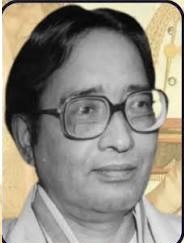
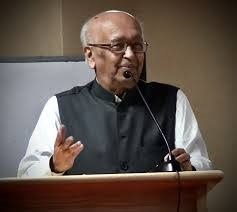
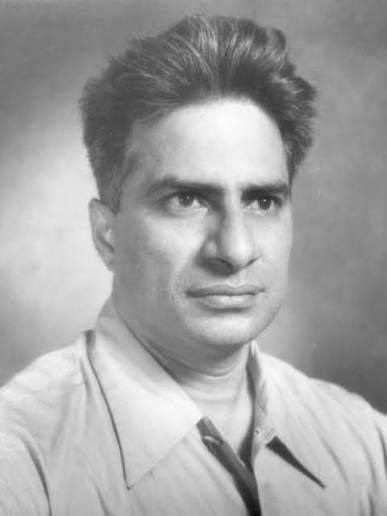
T. S. Sadasivan (1904–1981) was one of India’s foremost plant pathologists and a pioneering scientist in agricultural research. His groundbreaking work on fungal diseases of crops, particularly rice, sugarcane, and cotton, significantly improved plant disease management in India. Often regarded as the Father of Modern Plant Pathology in India, Sadasivan combined classical botany with modern microbiological techniques to understand plant-pathogen interactions. His research laid the foundation for scientific crop protection and contributed immensely to India’s agricultural productivity.
Early Life and Education
Tiruvengadam Subba Sadasivan was born in 1904 in Tamil Nadu, India. From an early age, he displayed a keen interest in biology and the natural sciences. He pursued his undergraduate studies in botany and later earned advanced degrees specializing in plant pathology.
Recognizing his exceptional academic talent, Sadasivan continued his higher education abroad, where he received advanced training in mycology (the study of fungi) and plant diseases. His international exposure helped him introduce modern experimental methods to Indian agricultural research upon his return.
Scientific Career & Research
Sadasivan spent much of his distinguished career at the University of Madras, where he established one of India’s leading schools of plant pathology. He trained numerous students who later became prominent agricultural scientists.
His research focused on understanding the biology, physiology, and ecology of fungal pathogens affecting economically important crops. Instead of merely identifying disease-causing organisms, he investigated how fungi invaded plants, how environmental conditions influenced disease development, and how plants defended themselves.
His studies greatly improved scientific knowledge of host-pathogen relationships and encouraged the development of effective disease control strategies.
Some of his major research areas included:
- Plant-fungal interactions
- Soil-borne fungal pathogens
- Wilt diseases
- Rice blast disease
- Sugarcane diseases
- Cotton diseases
- Plant disease resistance
- Agricultural microbiology
His work bridged fundamental science and practical agriculture, benefiting both researchers and farmers.
Major Discoveries and Inventions
1. Studies on Plant-Pathogen Interaction
Sadasivan pioneered research explaining how fungal pathogens infect plants and how plants respond to infection. His work introduced physiological approaches to plant pathology in India.
2. Research on Wilt Diseases
He conducted extensive investigations on fungal wilt diseases caused by Fusarium species, identifying factors responsible for disease development and spread.
3. Advances in Rice Disease Management
His studies on rice fungal diseases provided valuable insights into disease prevention and improved cultivation practices, helping increase rice productivity.
4. Soil Microbiology Contributions
He demonstrated the importance of soil microorganisms in plant health and disease suppression, influencing future research in sustainable agriculture.
5. Training Future Scientists
Although not an invention in the conventional sense, one of his greatest contributions was establishing a strong research school in plant pathology that produced generations of distinguished scientists.
Awards and Honours
Throughout his career, T. S. Sadasivan received numerous national and international recognitions, including:
- Fellowship of the Indian National Science Academy (INSA)
- Fellowship of the Indian Academy of Sciences
- President of several scientific societies related to botany and plant pathology
- Numerous lifetime achievement recognitions for agricultural research
- Honoured for his contributions to plant pathology education in India
His work earned international respect within the global plant pathology community.
Later Life and Death
Even after retiring from active teaching, Sadasivan remained engaged in scientific research, mentoring young scholars and contributing to scientific publications. His lifelong commitment to agricultural science continued until his final years.
He passed away in 1981, leaving behind a rich legacy of scientific excellence and agricultural innovation.
Legacy and Impact
T. S. Sadasivan transformed plant pathology from a descriptive science into an experimental and interdisciplinary field in India. His research helped farmers better understand crop diseases and adopt improved disease management practices.
His lasting contributions include:
- Establishing modern plant pathology research in India.
- Improving disease management for major agricultural crops.
- Advancing knowledge of fungal biology and plant immunity.
- Training generations of agricultural scientists.
- Strengthening India’s agricultural research institutions.
- Promoting scientific approaches to sustainable crop protection.
His scientific methods continue to influence plant disease research worldwide.
Conclusion
T. S. Sadasivan remains one of India’s most influential agricultural scientists and a true pioneer of plant pathology. Through his innovative research on fungal diseases, host-pathogen interactions, and crop protection, he laid the scientific foundation for modern plant disease management in India. His dedication to research, education, and agricultural development continues to inspire scientists working toward sustainable farming and global food security. His legacy lives on through the countless researchers he mentored and the lasting impact of his contributions to plant science.
About the Author