1. Introduction
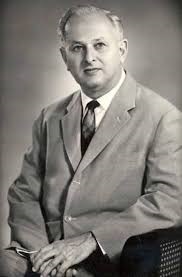
Often celebrated as the legendary “Architect of Tata Motors,” Sumant Moolgaokar was an industrial visionary who fundamentally transformed Indian manufacturing, engineering, and automotive history. Steering the Tata Engineering and Locomotive Company (TELCO, now Tata Motors) for decades, he turned a fledgling locomotive shop into an automotive powerhouse that motorized independent India. A relentless perfectionist with an uncompromising eye for quality, Moolgaokar’s legacy lives on in every commercial vehicle on Indian roads and through the iconic utility vehicle named directly in his honor.
2. Quick Facts
- Full Name: Sumant Moolgaokar
- Native Name: सुमंत मूलगांवकर
- Date of Birth: March 5, 1906
- Place of Birth: Bombay (Mumbai), British India
- Nationality: Indian
- Occupation/Profession: Industrialist, Mechanical Engineer, Corporate Executive
- Field of Achievement: Automotive Engineering, Industrial Development, and Manufacturing Leadership
- Years Active: 1930s–1989
3. Award Information (Focus: Padma Bhushan)
- Award Name: Padma Bhushan
- Award Category: Third-highest civilian award in India
- Award Year: 1990 (Posthumous)
- Presented By: The President of India
- Date of Ceremony: Rashtrapati Bhavan, New Delhi
- Citation/Official Reason: In recognition of his exceptional and distinguished service to trade, industry, and the monumental growth of indigenous automobile manufacturing in India.
- Previous Recipients (Notable): Prominent national leaders, scientists, and pioneers of Indian industry.
- Next Recipients: Succeeding batches of distinguished national achievers.
4. Why They Received the Award
Sumant Moolgaokar was posthumously awarded the Padma Bhushan in 1990 to honor a lifetime of groundbreaking contributions to Indian industrialization. Under his stewardship, TELCO birthed the country’s first indigenous commercial vehicles, reducing India’s dependence on foreign imports. He pioneered world-class engineering standards, fostered robust vocational training programs, and created an industrial ecosystem that anchored India’s self-reliance in heavy engineering.
5. Early Life
Born in Bombay in 1906, Moolgaokar grew up during a period when modern industrial infrastructure in India was virtually non-existent. Displaying an early aptitude for technical sciences, he pursued rigorous academic training. Driven by a deep desire to see India build its own machinery and heavy equipment, he chose a path far removed from conventional administrative careers, stepping directly onto the factory floor to understand how things worked from the ground up.
6. Education
- Schooling: Completed preliminary education in pre-independence Bombay.
- Engineering Degree: Graduated from the prestigious College of Engineering, Pune (COEP).
- Advanced Studies: Completed specialized technical training at the Imperial College, London, acquiring cutting-edge insights into mechanical and industrial engineering.
7. Career Journey
- Early Career (1930s): Began his professional journey as an engineer at CP Cement Works (later ACC Kymore Cement Works) in Madhya Pradesh.
- Joining the Tata Group: Transitioned into the Tata fold, rapidly climbing the ranks due to his unmatched engineering acumen and hands-on management style.
- TELCO Leadership: Appointed Director-in-Charge of TELCO (Tata Engineering and Locomotive Company) in 1949, later steering it as Chief Executive and Managing Director to manufacture locomotives and subsequently heavy commercial vehicles.
- Broader Corporate Roles: Served as Vice-Chairman of Tata Steel and later as the non-executive Chairman of Maruti Suzuki.
8. Major Achievements
- Building TELCO into an Automotive Giant: Converted a heavy locomotive manufacturing unit into India’s premier commercial vehicle manufacturer, producing iconic trucks and buses that built the nation’s transport backbone.
- Pioneering Indigenous R&D: Established robust in-house research, design, and development divisions at Tata, ensuring India engineered vehicles tailored specifically for rugged domestic terrain.
- Industrial Training Institutes (ITIs): Established the Kymore Engineering Institute (later renamed the Sumant Moolgaokar Training Institute in 1957) to provide gold-standard technical training to young Indian workers.
9. Contribution to the Nation
Moolgaokar’s contribution to India was foundational: he gave the country the wheels it needed to move forward. By designing trucks and commercial vehicles that could withstand India’s harsh climates and overloaded transport demands, he enabled seamless supply chains across the country. Furthermore, his rigorous emphasis on shop-floor discipline, high quality, and worker welfare set a benchmark for corporate responsibility and nation-building in the private sector.
10. Other Awards and Honours
- Padma Bhushan (1990): Conferred posthumously by the Government of India.
- Industrial Legacy Honours: Countless corporate leadership citations from engineering and automotive associations globally.
11. Legacy and Influence
Sumant Moolgaokar is remembered as a titan who demanded absolute perfection. He walked factory floors constantly, checking minute details of machine calibration rather than sitting behind a glass desk. His legacy is deeply embedded in Jamshedpur (Telco Colony), where he nurtured a township centered around employee welfare, and through his wife Leela Moolgaokar, a noted social worker and Padma Shri recipient who pioneered volunteer blood banking in India.
12. Interesting Facts
- The Inspiration Behind the “Tata Sumo”: In 1994, Tata Motors launched a pioneering utility vehicle named the Tata Sumo. The name was derived directly from Sumant Moolgaokar as a rare, permanent corporate tribute to his monumental role in shaping the company.
- The Stadium Tribute: The Sumant Moolgaokar Stadium in the Telco Colony of Jamshedpur stands as a permanent sports and community tribute to his memory.
- Hands-on Leader: Known for his legendary humility, he preferred inspecting machine grease and floor blueprints over boardroom formalities.
13. Quotes
“Quality is not an accident; it is the result of intelligent effort, constant direction, and skillful execution.” — Reflecting his core philosophy on manufacturing excellence.
14. Timeline
- March 5, 1906: Born in Bombay, British India
- 1930s: Begins engineering career at CP Cement Works
- 1949: Appointed Director of Tata Industries and Director-in-Charge of TELCO
- 1957: Establishes the technical training institute in Kymore
- July 1, 1989: Passes away at the age of 83
- 1990: Posthumously awarded the Padma Bhushan by the Government of India
- 1994: Tata Motors names its iconic SUV, the Tata Sumo, in his honor
15. References
- Ministry of Home Affairs, Government of India – Padma Awards Directory.
- Tata Central Archives – Historical Biographies.
- Wikipedia – Sumant Moolgaokar Biographical Overview.
- Mint & Forbes India – Archives on Indian Industrial History.
16. Related Personalities
- J. R. D. Tata: Legendary industrialist and mentor who closely worked with Moolgaokar to expand Tata’s manufacturing footprint.
- Leela Moolgaokar: Prominent social worker, pioneer of blood banking, and wife of Sumant Moolgaokar.
- Ratan Tata: Successor leader who carried forward the manufacturing and global vision of the Tata Group.
17. Frequently Asked Questions (FAQ)
Q1: Who was Sumant Moolgaokar?
A: Sumant Moolgaokar was an eminent Indian industrialist and mechanical engineer known as the architect of Tata Motors (TELCO).
Q2: Why is the Tata Sumo named “Sumo”?
A: The Tata Sumo, launched in 1994, was named directly after Sumant Moolgaokar (Sumant Moolgaokar) as a unique corporate tribute to his monumental contributions to the company.
Q3: What major awards did he receive?
A: He was posthumously awarded the Padma Bhushan, India’s third-highest civilian honor, in 1990.
About the Author