Sivagami Ammayar – Unsung Heroine of India’s Freedom Struggle
Introduction
Sivagami Ammayar was one of the lesser-known yet courageous women who contributed to India’s freedom movement. She became involved in the struggle for independence at a very young age and worked alongside the Indian National Army (INA) inspired by the revolutionary ideas of Subhas Chandra Bose. Her dedication, bravery, and patriotism made her an important figure among the unsung freedom fighters of Tamil Nadu.
Early Life and Education
Sivagami Ammayar was born in 1933 in Annasagaram village in Dharmapuri district, Tamil Nadu. She was born to Marimuthu Mudaliyar and Chinnathai in a humble family. During her childhood, her family migrated to Malaysia, where her father worked in a tea estate.
She pursued her education at Jai Hind Hindu Padasalai in Kuala Lumpur. Growing up in a politically active environment, she became deeply influenced by nationalist ideas and speeches supporting India’s independence.
Education & Skills
Although Sivagami Ammayar was very young during her participation in the freedom struggle, she possessed remarkable leadership qualities and communication skills. She learned discipline, organization, and social service while working with the Indian National Army’s youth wing.
Her major strengths included:
- Leadership abilities
- Public speaking through street plays
- Social welfare activities
- Patriotism and courage
- Motivating people through cultural performances
Her involvement in awareness campaigns showed her ability to inspire people despite her young age.
Contribution to Tamil Literature
Sivagami Ammayar’s contribution to Tamil culture mainly came through patriotic street dramas and performances. Along with her brother Paranthaman, she performed a play titled “Veera Vanitha” to awaken nationalist feelings among people and raise funds for the INA.
These performances helped spread the message of freedom among Tamil-speaking communities living in Malaysia and encouraged public support for India’s independence movement.
Role in India’s Freedom Movement
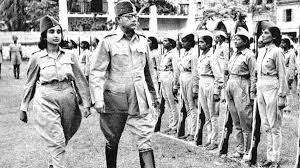
At the age of just 11, Sivagami Ammayar joined the Balak Sena, the children’s wing of the Indian National Army. She was inspired by the speeches of Netaji Subhas Chandra Bose and dedicated herself to the cause of Indian independence.
Between 1942 and 1945, she worked as a caretaker and head of a Social Welfare Hostel associated with the INA. During World War II, she and her brother also helped rescue people injured in bomb attacks at Sarkar Camp.
One remarkable incident from her life occurred when British officials reportedly forced performers to entertain them. Sivagami Ammayar bravely refused to dance before the British officers, showing her fearless patriotism and resistance to colonial authority.
Personal Life
Very little information is publicly available about Sivagami Ammayar’s personal life after independence. However, historical records describe her as a disciplined and patriotic woman who remained committed to the ideals of freedom and social service throughout her life.
Her close bond with her brother Paranthaman played an important role in her activities during the freedom movement.
Death
The exact date and details of Sivagami Ammayar’s death are not widely documented in public historical records. Despite the lack of detailed documentation, her contributions continue to be remembered in Tamil Nadu and among historians who study unsung freedom fighters.
Why She Is Important in Indian History
Sivagami Ammayar is important in Indian history because:
- She joined the freedom struggle at a very young age.
- She represented the active role of women and children in the independence movement.
- She supported the INA and spread nationalist ideas among the public.
- She showed extraordinary courage during British colonial rule.
- She inspired future generations through her patriotism and sacrifice.
Her life proves that India’s independence was achieved not only by famous leaders but also by countless ordinary people with extraordinary bravery.
One of the Early Revolutionaries
Sivagami Ammayar is remembered as one of the early women revolutionaries associated with the Indian National Army. At a time when women had limited opportunities in public life, she stepped forward boldly to participate in the freedom movement.
Her efforts in social welfare, fundraising, and public awareness campaigns demonstrated that even children and young women played a meaningful role in resisting colonial rule.
Legacy and Recognition
Sivagami Ammayar received recognition from the Tamil Nadu government for her contributions:
- In 1973, she was honored with the “Tyaga Chemmal” Award.
- In 1993, she was further honored by former Tamil Nadu Chief Minister J. Jayalalithaa.
Today, she is remembered as one of the unsung heroines of Tamil Nadu’s contribution to India’s independence movement.
Conclusion
Sivagami Ammayar’s story is a powerful reminder of the courage and sacrifice shown by many forgotten freedom fighters of India. Even as a young girl, she dedicated herself to the nation’s struggle for independence through social service, cultural activism, and fearless patriotism. Her life continues to inspire people, especially young women, to stand for justice, courage, and national pride.
Although her name may not appear prominently in mainstream history books, her contribution to India’s freedom movement remains deeply valuable and deserving of recognition.
About the Author