K. M. Annal Thango – Freedom Fighter and Tamil Scholar
Introduction
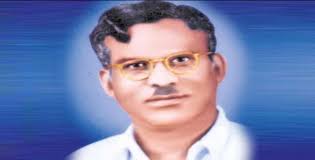
K. M. Annal Thango was an important freedom fighter, Tamil scholar, writer, and social reformer from Tamil Nadu. He dedicated his life to India’s independence movement and the development of Tamil language and culture. He is remembered for promoting the Pure Tamil Movement and encouraging self-respect and social equality among people.
Early Life and Education
K. M. Annal Thango was born as Swaminathan on 12 April 1904 in Gudiyatham, in present-day Vellore district of Tamil Nadu. His parents were Murugappa Mudaliar and Manickammal.
From his childhood, he showed great interest in Tamil language, literature, and patriotic ideas. During his early years, he became inspired by nationalist movements and social reform activities happening across India.
Later, influenced by the Pure Tamil Movement (Thanith Tamil Iyakkam), he changed his name from Swaminathan to “Annal Thango” to promote Tamil identity and avoid Sanskrit influence.
Education & Skills
Although there is limited information about his formal education, Annal Thango became highly knowledgeable in several fields through self-learning and social involvement.
His major skills included:
- Tamil literature and grammar
- Public speaking
- Journalism and writing
- Leadership and political activism
- Social reform and organization
He was respected for his powerful speeches, writing abilities, and dedication to Tamil culture and nationalism.
Contribution to Tamil Literature
K. M. Annal Thango made valuable contributions to Tamil literature and Tamil cultural identity. He strongly believed that Tamil language should be protected and promoted among people.
In 1942, he started the Tamil magazine “Tamil Nilam”, which focused on Tamil culture, language development, and social awareness.
He also contributed songs and lyrics to Tamil cinema. Some of the films connected with his literary contributions include:
- Parasakthi
- Petra Manam
- Pasiyin Kodumai
- Gomathiyin Kaadhalan
One of his most important cultural reforms was introducing Tamil wedding ceremonies based on Thirukkural verses instead of Sanskrit rituals. His own marriage in 1927 followed this Tamil-centered tradition.
Role in India’s Freedom Movement
Annal Thango actively participated in India’s freedom struggle against British rule. He joined the Indian National Congress in 1918 and took part in several nationalist protests and movements.
His important activities included:
- Participating in anti-British protests
- Joining the Neil Statue Satyagraha in 1927
- Hoisting the Indian national flag during protests despite government restrictions
- Taking part in public campaigns supporting independence
Due to his involvement in the freedom movement, he was imprisoned multiple times by the British government.
He also worked with social reform leaders and supported movements promoting equality, self-respect, and justice in society.
Personal Life
Annal Thango lived a simple and disciplined life dedicated to Tamil culture and social service. He believed strongly in equality, self-respect, and Tamil traditions.
His marriage became an example of social reform because he replaced traditional Sanskrit rituals with Thirukkural-based Tamil ceremonies. This inspired many people to follow Tamil traditions in weddings and social functions.
Death
K. M. Annal Thango passed away on 4 January 1974 in Vellore, Tamil Nadu. Even after his death, his literary works and social ideas continued to inspire Tamil scholars, students, and activists.
Why He Is Important in Indian History
K. M. Annal Thango is important in Indian history because:
- He actively participated in India’s freedom movement.
- He promoted Tamil language and literature.
- He fought for social equality and self-respect.
- He encouraged Tamil traditions and cultural identity.
- He inspired future generations through his writings and activism.
His life represents the connection between nationalism, social reform, and cultural pride.
One of the Early Revolutionaries
Annal Thango is remembered as one of the early Tamil revolutionaries who combined patriotism with cultural awareness. He believed that freedom was not only political independence but also protecting language, culture, and social dignity.
His courage in facing imprisonment and his dedication to Tamil identity made him a respected leader in Tamil Nadu’s history.
Legacy and Recognition
The Government of Tamil Nadu has honored Annal Thango for his contributions to literature and the freedom struggle.
His literary works were nationalized by the Tamil Nadu government, and his birth anniversary is officially commemorated every year.
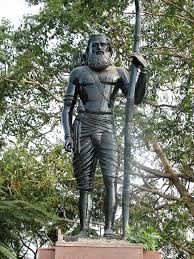
A statue was also erected in Gudiyatham to recognize his contribution to Tamil language, social reform, and Indian independence.
Today, he is remembered as a symbol of:
- Tamil pride
- Patriotism
- Social reform
- Cultural awareness
Conclusion
K. M. Annal Thango was not only a freedom fighter but also a passionate Tamil scholar and social reformer. Through his political activism, literary contributions, and efforts to promote Tamil culture, he left a lasting impact on Tamil Nadu and India.
His life teaches the importance of courage, patriotism, cultural identity, and social equality. Even today, his contributions continue to inspire people who work for language development, social justice, and national pride.
K. M. Annal Thango – Freedom Fighter and Tamil Scholar
Introduction
K. M. Annal Thango was an important freedom fighter, Tamil scholar, writer, and social reformer from Tamil Nadu. He dedicated his life to India’s independence movement and the development of Tamil language and culture. He is remembered for promoting the Pure Tamil Movement and encouraging self-respect and social equality among people.
Early Life and Education
K. M. Annal Thango was born as Swaminathan on 12 April 1904 in Gudiyatham, in present-day Vellore district of Tamil Nadu. His parents were Murugappa Mudaliar and Manickammal.
From his childhood, he showed great interest in Tamil language, literature, and patriotic ideas. During his early years, he became inspired by nationalist movements and social reform activities happening across India.
Later, influenced by the Pure Tamil Movement (Thanith Tamil Iyakkam), he changed his name from Swaminathan to “Annal Thango” to promote Tamil identity and avoid Sanskrit influence.
Education & Skills
Although there is limited information about his formal education, Annal Thango became highly knowledgeable in several fields through self-learning and social involvement.
His major skills included:
- Tamil literature and grammar
- Public speaking
- Journalism and writing
- Leadership and political activism
- Social reform and organization
He was respected for his powerful speeches, writing abilities, and dedication to Tamil culture and nationalism.
Contribution to Tamil Literature
K. M. Annal Thango made valuable contributions to Tamil literature and Tamil cultural identity. He strongly believed that Tamil language should be protected and promoted among people.
In 1942, he started the Tamil magazine “Tamil Nilam”, which focused on Tamil culture, language development, and social awareness.
He also contributed songs and lyrics to Tamil cinema. Some of the films connected with his literary contributions include:
- Parasakthi
- Petra Manam
- Pasiyin Kodumai
- Gomathiyin Kaadhalan
One of his most important cultural reforms was introducing Tamil wedding ceremonies based on Thirukkural verses instead of Sanskrit rituals. His own marriage in 1927 followed this Tamil-centered tradition.
Role in India’s Freedom Movement
Annal Thango actively participated in India’s freedom struggle against British rule. He joined the Indian National Congress in 1918 and took part in several nationalist protests and movements.
His important activities included:
- Participating in anti-British protests
- Joining the Neil Statue Satyagraha in 1927
- Hoisting the Indian national flag during protests despite government restrictions
- Taking part in public campaigns supporting independence
Due to his involvement in the freedom movement, he was imprisoned multiple times by the British government.
He also worked with social reform leaders and supported movements promoting equality, self-respect, and justice in society.
Personal Life
Annal Thango lived a simple and disciplined life dedicated to Tamil culture and social service. He believed strongly in equality, self-respect, and Tamil traditions.
His marriage became an example of social reform because he replaced traditional Sanskrit rituals with Thirukkural-based Tamil ceremonies. This inspired many people to follow Tamil traditions in weddings and social functions.
Death
K. M. Annal Thango passed away on 4 January 1974 in Vellore, Tamil Nadu. Even after his death, his literary works and social ideas continued to inspire Tamil scholars, students, and activists.
Why He Is Important in Indian History
K. M. Annal Thango is important in Indian history because:
- He actively participated in India’s freedom movement.
- He promoted Tamil language and literature.
- He fought for social equality and self-respect.
- He encouraged Tamil traditions and cultural identity.
- He inspired future generations through his writings and activism.
His life represents the connection between nationalism, social reform, and cultural pride.
One of the Early Revolutionaries
Annal Thango is remembered as one of the early Tamil revolutionaries who combined patriotism with cultural awareness. He believed that freedom was not only political independence but also protecting language, culture, and social dignity.
His courage in facing imprisonment and his dedication to Tamil identity made him a respected leader in Tamil Nadu’s history.
Legacy and Recognition
The Government of Tamil Nadu has honored Annal Thango for his contributions to literature and the freedom struggle.
His literary works were nationalized by the Tamil Nadu government, and his birth anniversary is officially commemorated every year.
A statue was also erected in Gudiyatham to recognize his contribution to Tamil language, social reform, and Indian independence.
Today, he is remembered as a symbol of:
- Tamil pride
- Patriotism
- Social reform
- Cultural awareness
Conclusion
K. M. Annal Thango was not only a freedom fighter but also a passionate Tamil scholar and social reformer. Through his political activism, literary contributions, and efforts to promote Tamil culture, he left a lasting impact on Tamil Nadu and India.
His life teaches the importance of courage, patriotism, cultural identity, and social equality. Even today, his contributions continue to inspire people who work for language development, social justice, and national pride.
About the Author