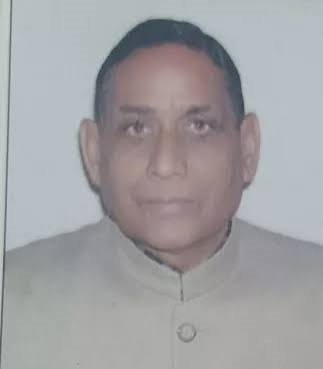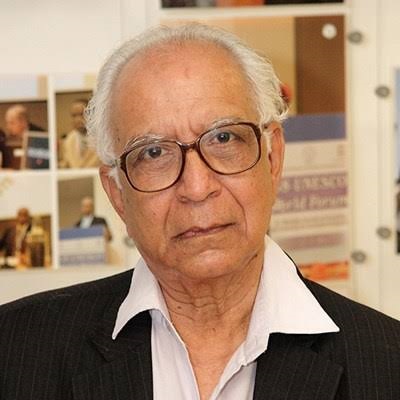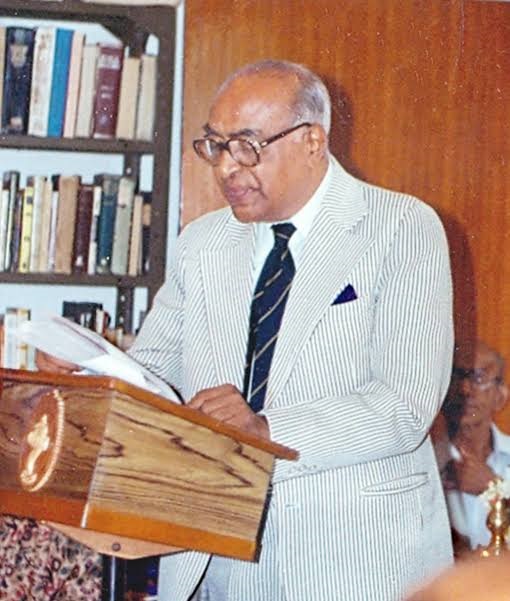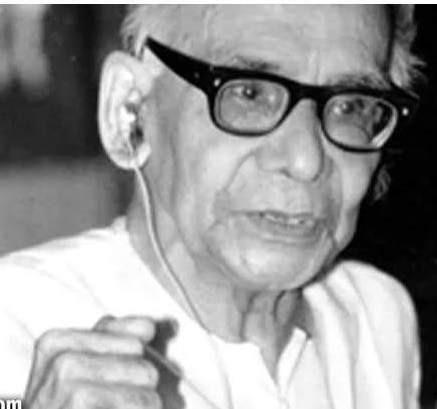
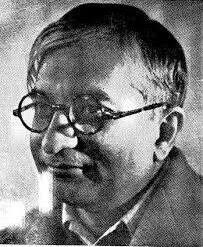
Radhakamal Mukerjee (7 December 1889 – 24 August 1968) was an eminent Indian sociologist, economist, philosopher, educationist, and one of the pioneers of modern social sciences in India. He served as Professor of Economics and Sociology and later as Vice-Chancellor of the University of Lucknow. In recognition of his outstanding contributions to social sciences and education, he was awarded the Padma Bhushan in 1962.
1. Introduction
Radhakamal Mukerjee was one of India’s foremost social scientists whose work bridged economics, sociology, philosophy, ecology, and ethics. He believed that social sciences should adopt an interdisciplinary approach to understand society and civilization. Through his extensive teaching, research, and writings, he played a key role in shaping sociology and economics as academic disciplines in India.
2. Quick Facts
| Information | Details |
|---|---|
| Full Name | Radhakamal Mukerjee |
| Native Name | রাধাকমল মুখার্জী (Bengali) |
| Date of Birth | 7 December 1889 |
| Place of Birth | Berhampore, Murshidabad, Bengal Presidency, British India (present-day West Bengal, India) |
| Date of Death | 24 August 1968 |
| Nationality | Indian |
| Profession | Sociologist, Economist, Philosopher, Educationist |
| Field of Achievement | Sociology, Economics, Social Philosophy |
| Years Active | 1910s–1968 |
| Known For | Pioneer of Indian sociology; Vice-Chancellor of the University of Lucknow |
3. Award Information
| Field | Details |
|---|---|
| Award Name | Padma Bhushan |
| Award Category | Science and Engineering (Social Sciences) |
| Award Year | 1962 |
| Presented By | President of India |
| Date of Ceremony | 1962 Investiture Ceremony |
| Official Citation | Distinguished contributions to social sciences, sociology, and education |
| Previous Recipients | Distinguished scholars and scientists honoured in earlier years |
| Next Recipients | Scholars recognized in subsequent Padma Awards |
4. Why Did He Receive the Padma Bhushan?
Radhakamal Mukerjee received the Padma Bhushan for:
- Pioneering sociology and economics in India.
- Promoting interdisciplinary research in social sciences.
- Significant contributions to social philosophy and civilization studies.
- Excellence in higher education and academic leadership.
- Influential writings on economics, ecology, ethics, and society.
5. Early Life
Radhakamal Mukerjee was born on 7 December 1889 in Berhampore, Murshidabad, into a scholarly family. His father was a barrister, and he grew up in an intellectually stimulating environment with access to a rich library of literature, history, law, and Sanskrit texts. This early exposure nurtured his lifelong interest in philosophy and the social sciences.
6. Education
- Studied at Krishnanagar College.
- Won a scholarship to Presidency College, University of Calcutta.
- Earned honours degrees in English and History.
- Received a Ph.D. from the University of Calcutta in 1920.
7. Career Journey
Early Academic Career
Mukerjee began his teaching career after completing his education and quickly established himself as a respected scholar.
University of Lucknow
In 1921, he joined the University of Lucknow as Professor of Economics and Sociology. He served there until 1952, helping to build one of India’s leading centres for social science education.
Vice-Chancellor
He later became Vice-Chancellor of the University of Lucknow, where he strengthened academic research and interdisciplinary studies.
Scholar and Author
Mukerjee authored numerous influential books on economics, sociology, ethics, ecology, and civilization. His works, including The Institutional Theory of Economics, reflected his belief that social sciences should integrate multiple disciplines.
8. Major Achievements
- Pioneer of sociology in India.
- Professor of Economics and Sociology at the University of Lucknow.
- Vice-Chancellor of the University of Lucknow.
- Developed an interdisciplinary approach to social sciences.
- Authored influential books on economics, sociology, philosophy, and ecology.
- Awarded the Padma Bhushan in 1962.
9. Contribution to the Nation
Radhakamal Mukerjee contributed to India by:
- Establishing sociology as a respected academic discipline.
- Advancing research in economics and social philosophy.
- Encouraging interdisciplinary education.
- Influencing public policy and social thought.
- Participating in the Indian independence movement through intellectual and social engagement.
10. Other Awards and Honours
- Padma Bhushan (1962) – Government of India.
- Served as Vice-Chancellor of the University of Lucknow.
- Widely recognized as one of the founding figures of Indian sociology.
11. Legacy and Influence
Radhakamal Mukerjee is remembered as one of the architects of Indian social science. His interdisciplinary approach influenced generations of sociologists, economists, philosophers, and environmental thinkers. His writings on civilization, values, and ecology remain relevant in contemporary social science research.
12. Interesting Facts
- He was the brother of noted historian Radha Kumud Mukherjee.
- He served the University of Lucknow for over three decades.
- He believed that economics, sociology, philosophy, and ecology should be studied together.
- He translated and interpreted classical Indian philosophical texts, including the Ashtavakra Gita.
- He played an intellectual role during India’s independence movement.
13. Quotes
No widely verified quotations by Radhakamal Mukerjee are available from authoritative historical sources. It is recommended not to attribute unverified quotations to him.
14. Timeline
| Year | Event |
|---|---|
| 1889 | Born in Berhampore, Bengal Presidency |
| 1920 | Earned Ph.D. from the University of Calcutta |
| 1921 | Joined the University of Lucknow as Professor |
| 1950s | Served as Vice-Chancellor of the University of Lucknow |
| 1962 | Awarded the Padma Bhushan |
| 1968 | Passed away on 24 August |
15. References
- Government of India – Padma Awards Dashboard.
- Radhakamal Mukerjee biography.
- Indira Gandhi National Open University (IGNOU) – History and Development of Sociology in India.
- The Institutional Theory of Economics by Radhakamal Mukerjee.
16. Related Personalities
- Radha Kumud Mukherjee – Historian and his brother.
- G. S. Ghurye – Pioneer of Indian sociology.
- D. P. Mukerji – Indian sociologist.
- B. R. Ambedkar – Economist, jurist, and social reformer.
- M. N. Srinivas – Influential Indian sociologist.
17. Frequently Asked Questions (FAQ)
1. Who was Radhakamal Mukerjee?
Radhakamal Mukerjee was an Indian sociologist, economist, philosopher, and educationist who pioneered the development of social sciences in India.
2. Why is Radhakamal Mukerjee famous?
He is known for his interdisciplinary approach to sociology, economics, philosophy, and ecology, and for his leadership at the University of Lucknow.
3. Which award did Radhakamal Mukerjee receive?
He received the Padma Bhushan in 1962 for his distinguished contributions to social sciences and education.
4. Where did he teach?
He served as Professor of Economics and Sociology and later Vice-Chancellor at the University of Lucknow.
5. What were his major contributions?
He pioneered sociology in India, advanced interdisciplinary research, authored influential books, and helped shape higher education in the country.
6. What was his educational background?
He studied at Krishnanagar College and Presidency College, University of Calcutta, and earned his Ph.D. from the University of Calcutta in 1920.
7. What is Radhakamal Mukerjee’s legacy?
He is regarded as one of the founding figures of Indian sociology, whose ideas continue to influence sociology, economics, philosophy, and environmental studies.
About the Author