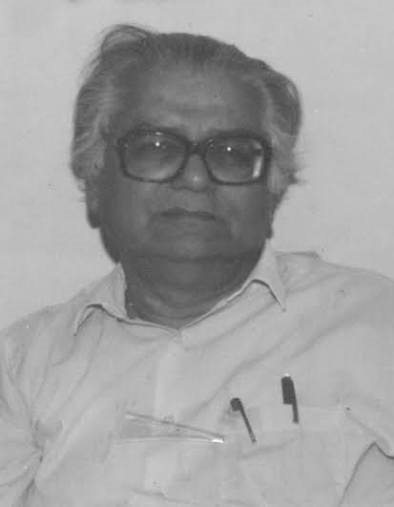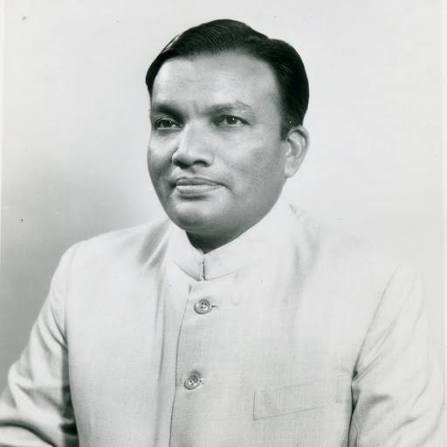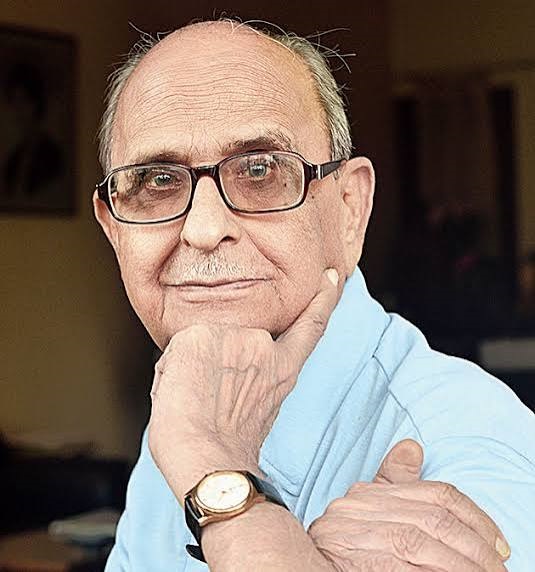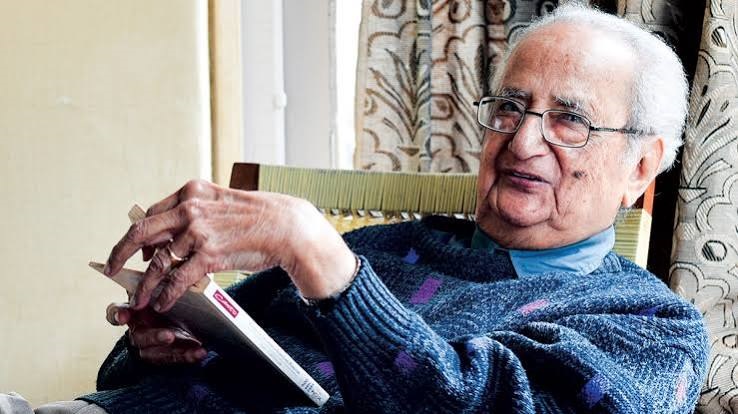
Prof. Badanaval Venkatasubba Sreekantan (30 June 1925 – 27 October 2019) was one of India’s most celebrated experimental physicists, cosmic-ray researchers, and high-energy astrophysicists. Having spent nearly four decades at the Tata Institute of Fundamental Research (TIFR)—including serving as its Director from 1975 to 1987—he played a foundational role in establishing India’s front-line capabilities in particle physics, underground neutrino detection, X-ray astronomy, and science education.
2. Quick Facts
- Full Name: Badanaval Venkatasubba Sreekantan (B. V. Sreekantan)
- Native Name: ಬದನವಾಳು ವೆಂಕಟಸುಬ್ಬ ಶ್ರೀಕಂಠನ್ (Kannada)
- Date of Birth: June 30, 1925
- Place of Birth: Nanjangud, Karnataka, India (resided extensively in Bengaluru)
- Nationality: Indian
- Occupation / Profession: Experimental Physicist, Academic Administrator, Author
- Field of Achievement: Cosmic Rays, High-Energy Astrophysics, Particle Physics, and Consciousness Studies
- Years Active: Late 1940s to 2019
3. Award Information
- Award Name: Padma Bhushan
- Award Category: Civilian Honour (Third Highest)
- Award Year: 1988
- Presented By: President of India
- Date of Ceremony: 1988 (Rashtrapati Bhavan annual investiture)
- Citation / Official Reason: For distinguished contributions and pioneering leadership in the field of science and atomic/cosmic research.
- Previous Recipients: Prominent scientists, educators, and national leaders.
- Next Recipients: Subsequent cohorts of the Padma Bhushan in science and engineering.
4. Why He Received the Award
Prof. Sreekantan received the Padma Bhushan in recognition of his monumental role in mapping out experimental physics in India. His leadership at TIFR, his breakthrough underground experiments mapping cosmic-ray muons and atmospheric neutrinos at the Kolar Gold Fields, and his vision in setting up national research infrastructure placed Indian science firmly on the global map.
5. Early Life
Born in Nanjangud, Karnataka, Sreekantan grew up during a vibrant period of Indian awakening. He possessed a deeply inquisitive mind from childhood, nurtured by a disciplined academic environment. Though he initially harbored dreams of pursuing theoretical physics, circumstances and encounters with legendary scientists steered him toward the challenging, uncharted territory of experimental physics.
6. Education
- Undergraduate Degree: Graduated with honors in Physics from the University of Mysore (1946).
- Master’s Degree: Completed a master’s degree in Wireless Communication from the Indian Institute of Science (IISc), Bangalore (1947).
- Doctorate (Ph.D.): Earned his Ph.D. in Physics from the University of Mumbai (1954) based on his research on cosmic-ray muons conducted under the guidance of Homi J. Bhabha and examined by MIT physicist Bruno Rossi.
7. Career Journey
- Joining TIFR (1948): Invited by Dr. Homi J. Bhabha to join the newly formed Tata Institute of Fundamental Research in Mumbai.
- Director of TIFR (1975–1987): Guided the institute through a massive growth phase, expanding programs into radio astronomy, cosmic rays, and molecular biology.
- National Institute of Advanced Studies (NIAS): Served as a Dr. S. Radhakrishnan Visiting Professor and senior faculty member from 1992 until his final years, pioneering research bridging modern physics with ancient philosophy and consciousness studies.
8. Major Achievements
- Neutrino Detection Pioneer: Led experiments deep underground in the Kolar Gold Fields (KGF), achieving the world’s first detection of atmospheric neutrinos in the mid-1960s.
- X-Ray Astronomy in India: Initiated India’s space astronomy programs via balloon-borne detectors, laying technical ground elements that later fed into missions like AstroSat.
- Institution Building: Instrumental in establishing vital Indian science hubs, including the National Centre for Biological Sciences (NCBS), the National Centre for Radio Astrophysics (NCRA), and the Homi Bhabha Centre for Science Education (HBCSE).
9. Contribution to the Nation
Prof. Sreekantan transitioned India from a consumer of science to a creator of world-class scientific infrastructure. By building indigenous particle detectors out of scarce post-independence materials and mentoring generations of brilliant physicists, he ensured self-reliance in high-energy astrophysics and space research.
10. Other Awards and Honours
- C.V. Raman Award for Physical Sciences (1977)
- INSA Homi Bhabha Medal (1978)
- R.D. Birla Memorial Award of the Indian Physics Association (1982)
- Rajyotsava Prashasti from the Government of Karnataka (1998)
- Sir M. Visvesvaraya Senior Scientist State Award (2004)
- Fellow of premier academies including the Indian Academy of Sciences and INSA.
11. Legacy and Influence
Prof. Sreekantan is remembered as a gentle giant of Indian science. Beyond hard physics, his later years at NIAS explored the intersections of quantum mechanics, neuroscience, and human consciousness, proving that a rigorous scientist could also deeply value holistic and philosophical worldviews.
12. Interesting Facts
- Scavenging for Science: In his early days at TIFR, due to resource constraints, he built early particle detectors using discarded Second World War equipment and components sourced from Mumbai’s Chor Bazaar.
- Deep Underground Explorer: He conducted high-tech physics experiments nearly 3 kilometers underground inside dark, humid gold mine shafts at Kolar.
- Literary & Cultural Roots: He served as the chairman of the board of directors of Sadvaidyasala, a traditional Ayurvedic medicine enterprise founded by his family.
13. Quotes
“Uniquely and pathbreakingly, he realised that a true comprehension of this elusive phenomenon [consciousness] can only emerge from the combined perspectives of modern science and ancient philosophies.”
14. Timeline
- 1925: Born on June 30 in Nanjangud, Karnataka
- 1948: Joined the Tata Institute of Fundamental Research (TIFR) at the invitation of Homi Bhabha
- 1954: Received his Ph.D. from the University of Mumbai
- Mid-1960s: Co-led the historic underground atmospheric neutrino detection experiments at Kolar Gold Fields
- 1975–1987: Served as the Director of TIFR
- 1988: Awarded the Padma Bhushan by the Government of India
- 1992: Joined the National Institute of Advanced Studies (NIAS), Bengaluru
- 2019: Passed away on October 27 at the age of 94
15. References
- The Hindu. “Noted physicist B.V. Sreekantan dead.” October 30, 2019.
- Wikipedia contributors. “B. V. Sreekantan.” Wikipedia, The Free Encyclopedia.
- Malleswaram.org Archives. “B. V. Sreekantan – Biography and Profile.”
- National Institute of Advanced Studies (NIAS) Repository. “Prof. B.V. Sreekantan Faculty Profile.”
16. Related Personalities
- Homi J. Bhabha: Founding father of India’s nuclear program and mentor who brought Sreekantan into TIFR.
- Bruno Rossi: Celebrated MIT physicist and collaborator who reviewed Sreekantan’s doctoral work.
- Subrahmanyan Chandrasekhar: Nobel laureate astrophysicist with whom Indian academic networks shared close synergy.
17. Frequently Asked Questions (FAQ)
Q1: What was B. V. Sreekantan’s primary contribution to physics?
A: He was a titan in cosmic-ray research and high-energy astrophysics. He is best known for helping pioneer underground particle physics experiments in India, including the historic detection of atmospheric neutrinos at the Kolar Gold Fields.
Q2: Which major institution was he most closely associated with?
A: He spent 39 years at the Tata Institute of Fundamental Research (TIFR), serving as its Director from 1975 to 1987. Later in life, he became a key fixture at the National Institute of Advanced Studies (NIAS) in Bengaluru.
Q3: When did he receive the Padma Bhushan?
A: He was honored with the Padma Bhushan, India’s third-highest civilian award, in 1988 by the Government of India.
About the Author